Castle tower medieval
1344×768 · AVIF · CC BY 4.0
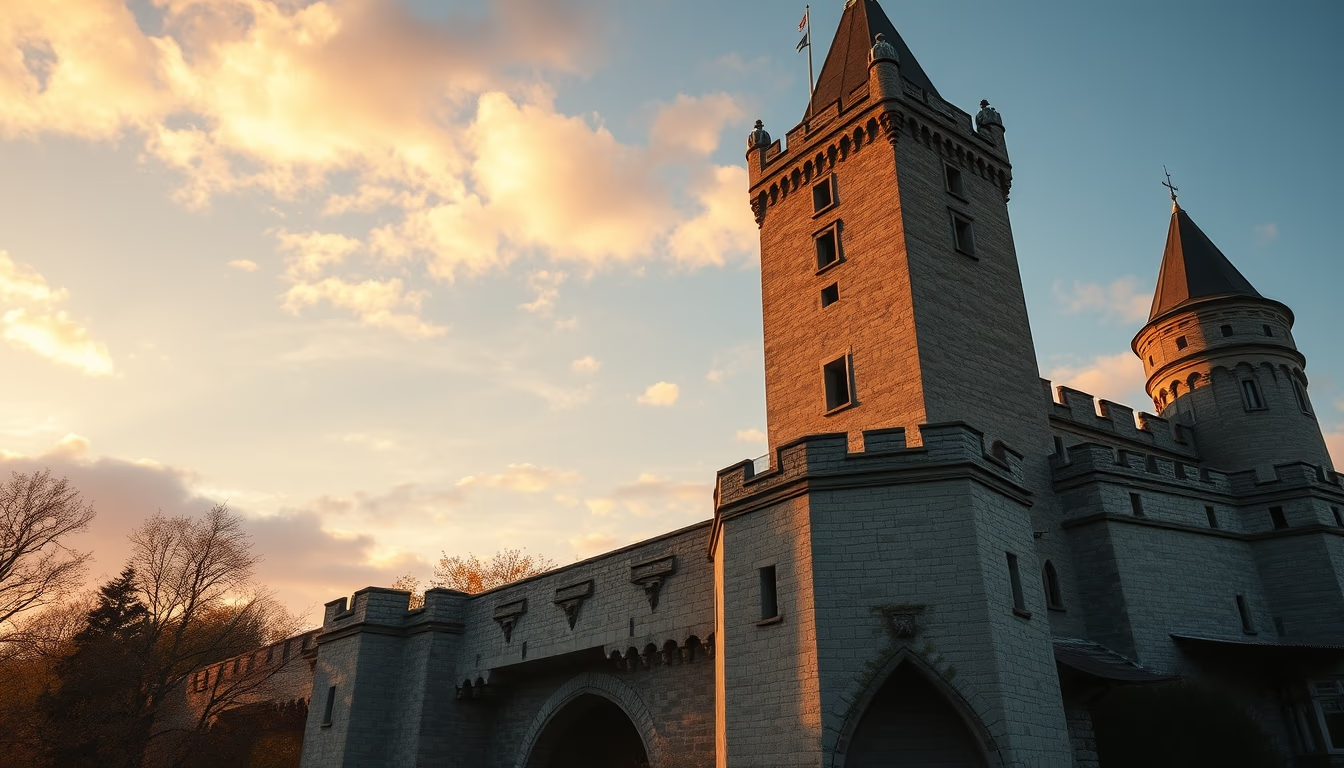
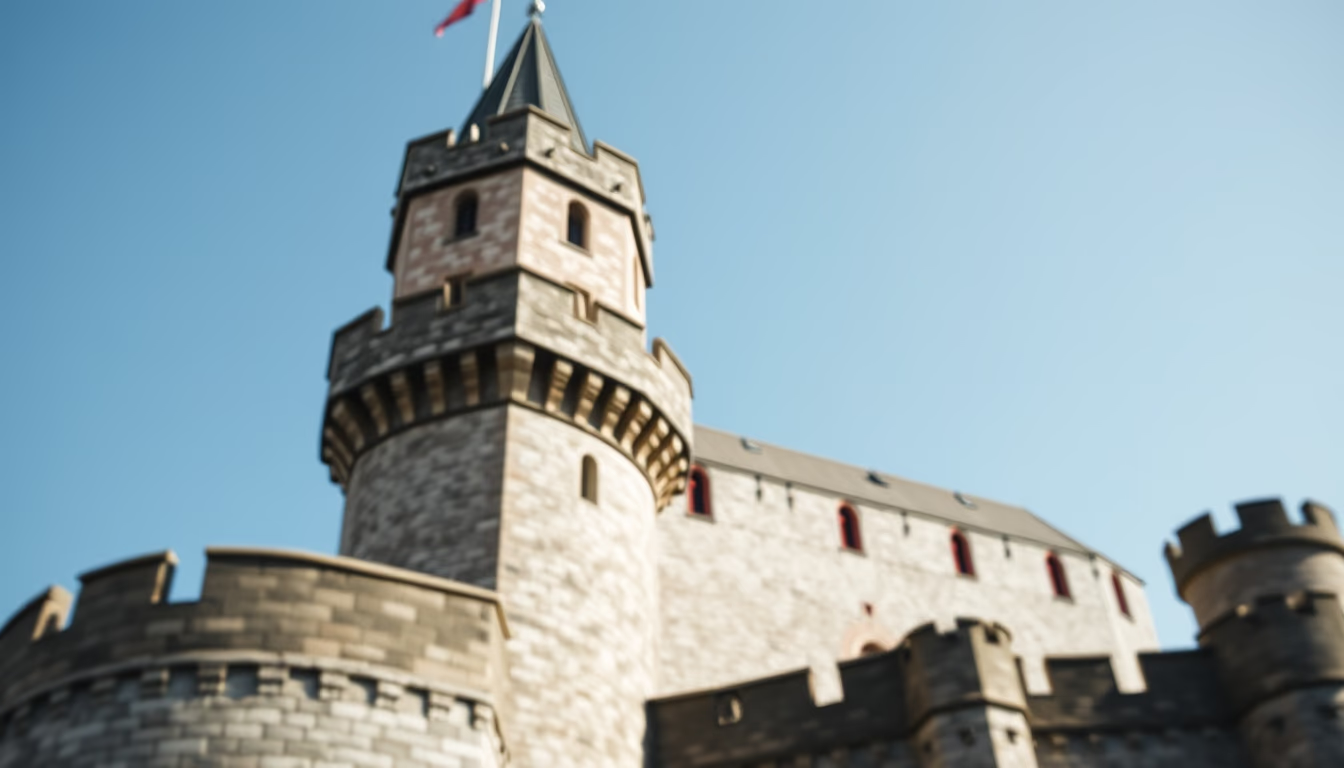
Medieval castle tower, a defensive structure and symbol of power that marked European architecture between the 10th and 15th centuries.
About this subject
Medieval castle towers were central to military architecture during the Middle Ages, designed for defense and territorial control. Typically built of stone, they came in square, circular, or polygonal shapes, each with tactical advantages. Square towers were common in early Norman castles but vulnerable to mining; circular towers, emerging from the 12th century, offered better resistance to projectiles and eliminated blind spots. Many towers featured battlements, arrow loops, machicolations, and wooden hoardings called bretèches.
The primary function was to house the garrison and serve as a last refuge during invasion, with access via steep staircases and reinforced doors. Notable examples include the Tower of London, the Tower of Belém (already in Manueline style), and the twin towers of Caernarfon Castle in Wales. Beyond military use, towers also symbolized the lord's status, often decorated with stained glass and tapestries in upper chambers.
Building a medieval tower required specialized labor and could take decades. Stones were quarried locally and transported by cart; mortar was made from lime, sand, and water. The interior typically had multiple floors with distinct functions: kitchen on the ground floor, great hall on the first floor, and living quarters above. Some towers had an internal well to ensure water supply during prolonged sieges.
Interestingly, D-shaped towers, with a flat side facing the castle interior, combined defensive advantages and interior space. The term 'keep' refers to the main tower where the lord resided. Many of these structures have survived to the present day, serving as cultural heritage sites visited by millions of tourists annually.
Frequently Asked Questions
What were the main uses of a medieval castle tower?
Towers served as military defense, the lord's residence, supply storage, and the last line of resistance during sieges. They also symbolized power and status.
What is the difference between a square and a circular medieval tower?
Square towers were easier to build but had blind spots and weak corners. Circular towers offered better resistance to impact and allowed defense in all directions.
How were medieval towers constructed?
They were built with local stone, lime mortar, and wooden scaffolding. The process took years, with deep foundations and walls up to 3 meters thick to withstand attacks.
Direct URL
https://pub-c7d6a6ea828543ac903a74a341ccb2e1.r2.dev/imagens/castle-tower-medieval-cinematic-wide-shot-p2.avifHow to credit
Include a visible link back to UtilizAí. Copy one of the snippets below:
<a href="https://xn--utiliza-eza.com/en/midia/imagens/castle-tower-medieval-cinematic-wide-shot-p2">Castle tower medieval</a> by <a href="https://xn--utiliza-eza.com">UtilizAí</a>, licensed under <a href="https://creativecommons.org/licenses/by/4.0/">CC BY 4.0</a>.
[Castle tower medieval](https://xn--utiliza-eza.com/en/midia/imagens/castle-tower-medieval-cinematic-wide-shot-p2) by [UtilizAí](https://xn--utiliza-eza.com), CC BY 4.0
License: CC-BY-4.0