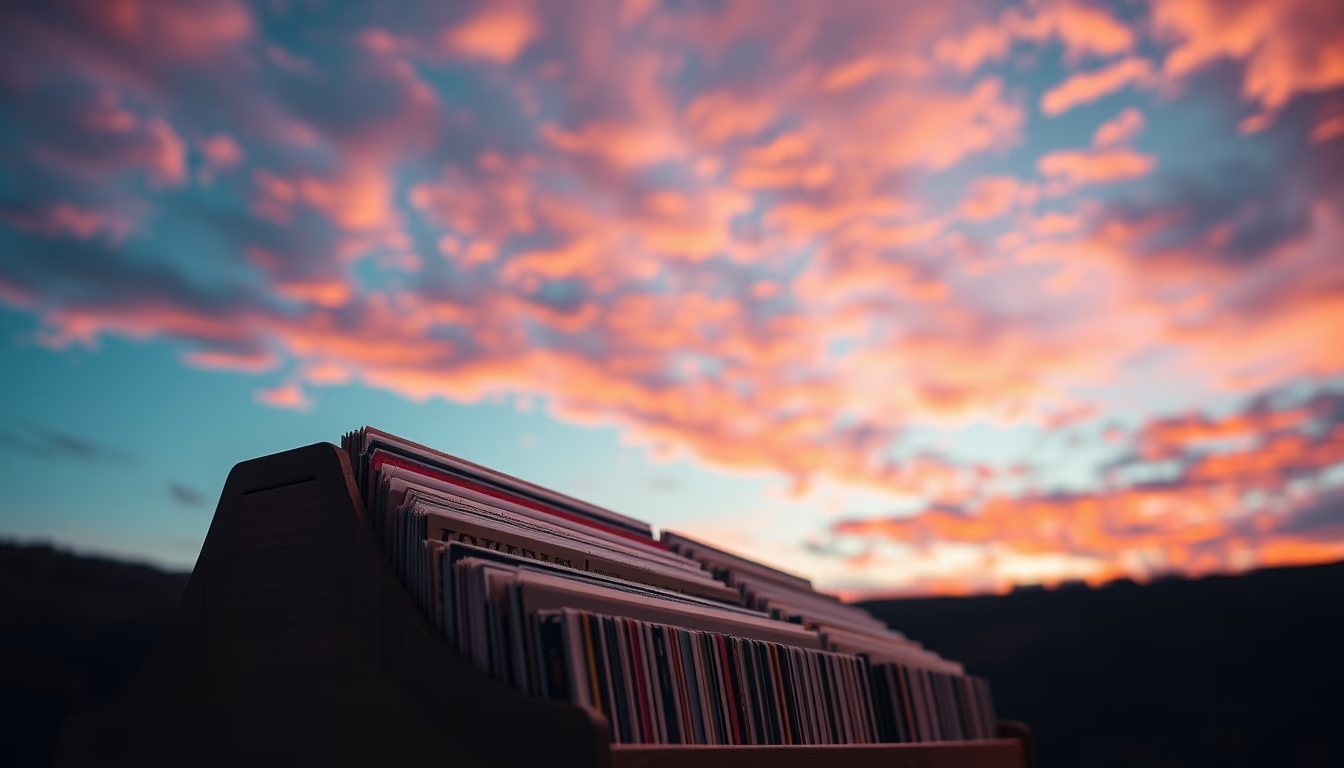
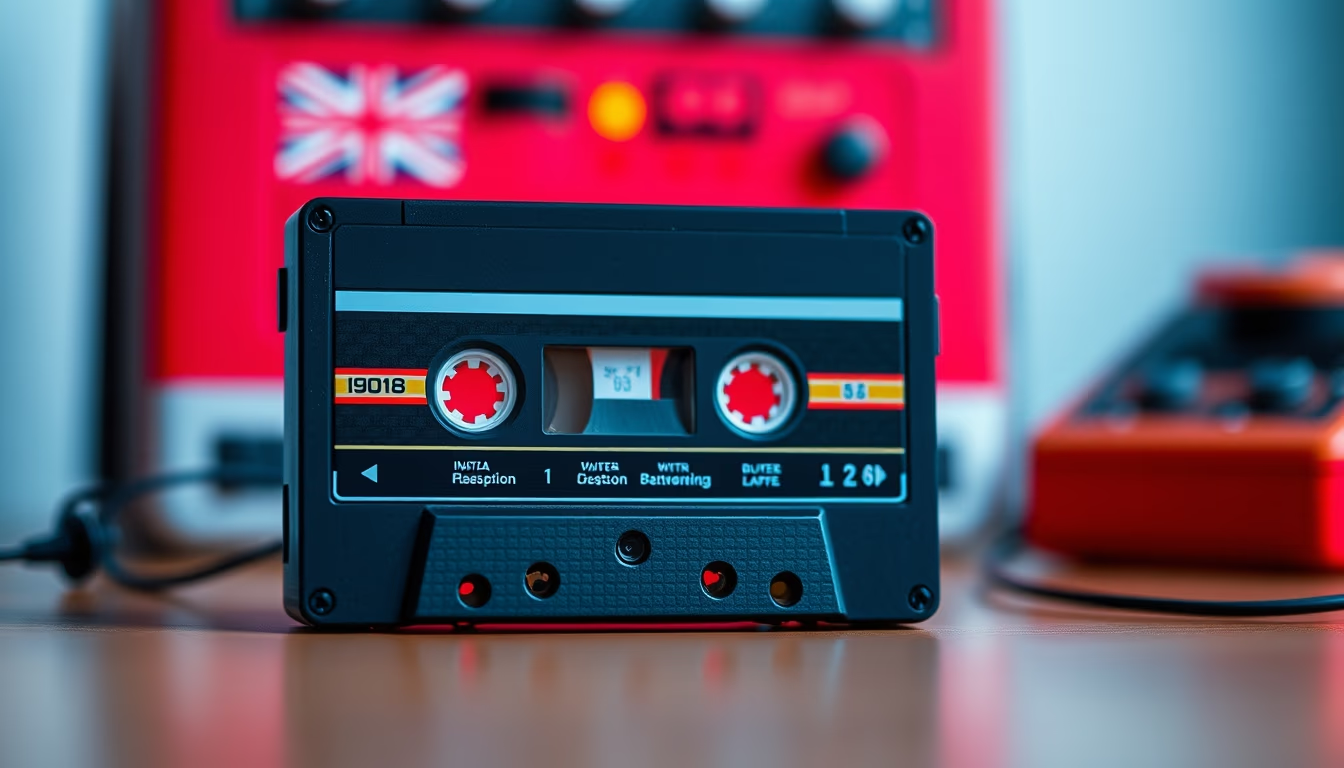
Cassette walkman 1980s
1344×768 · AVIF · CC BY 4.0
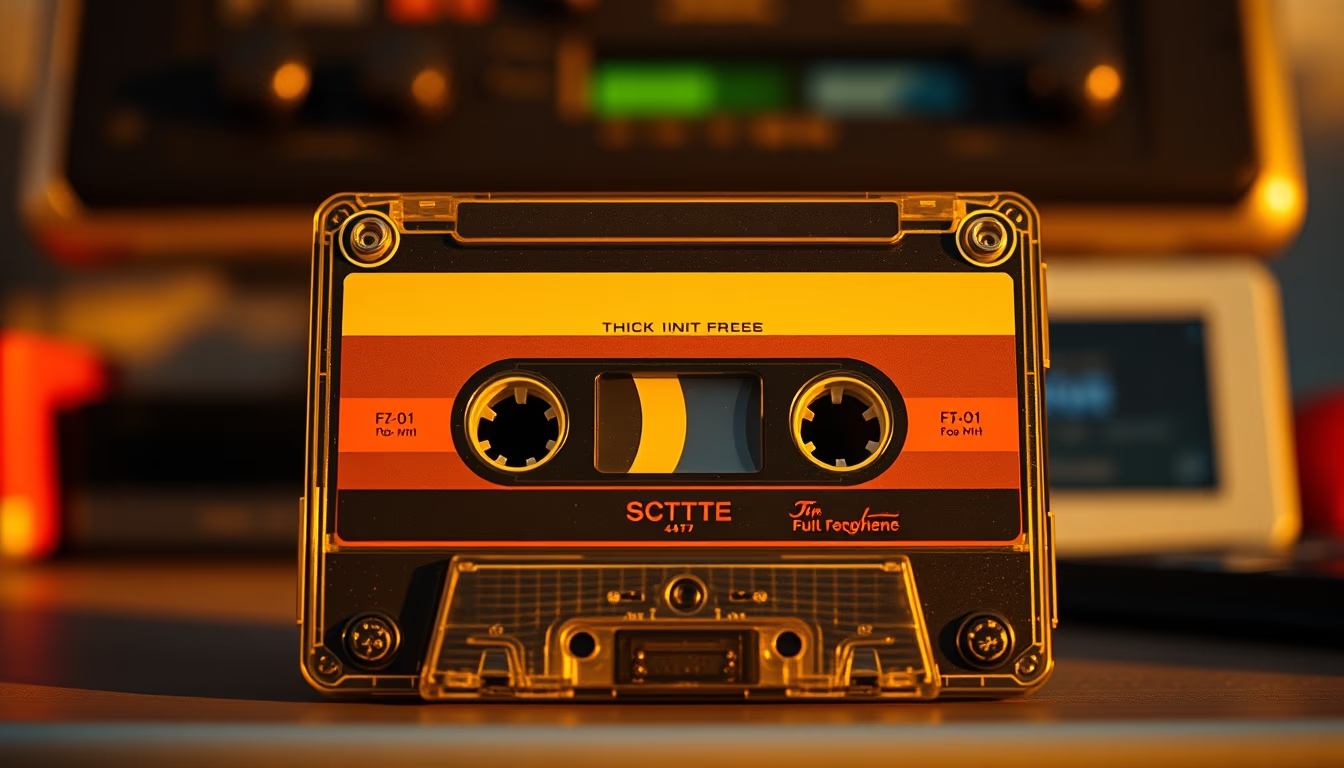
The Walkman revolutionized how people listened to music in the 1980s. Discover the history, iconic models, and legacy of Sony's portable cassette player.
About this subject
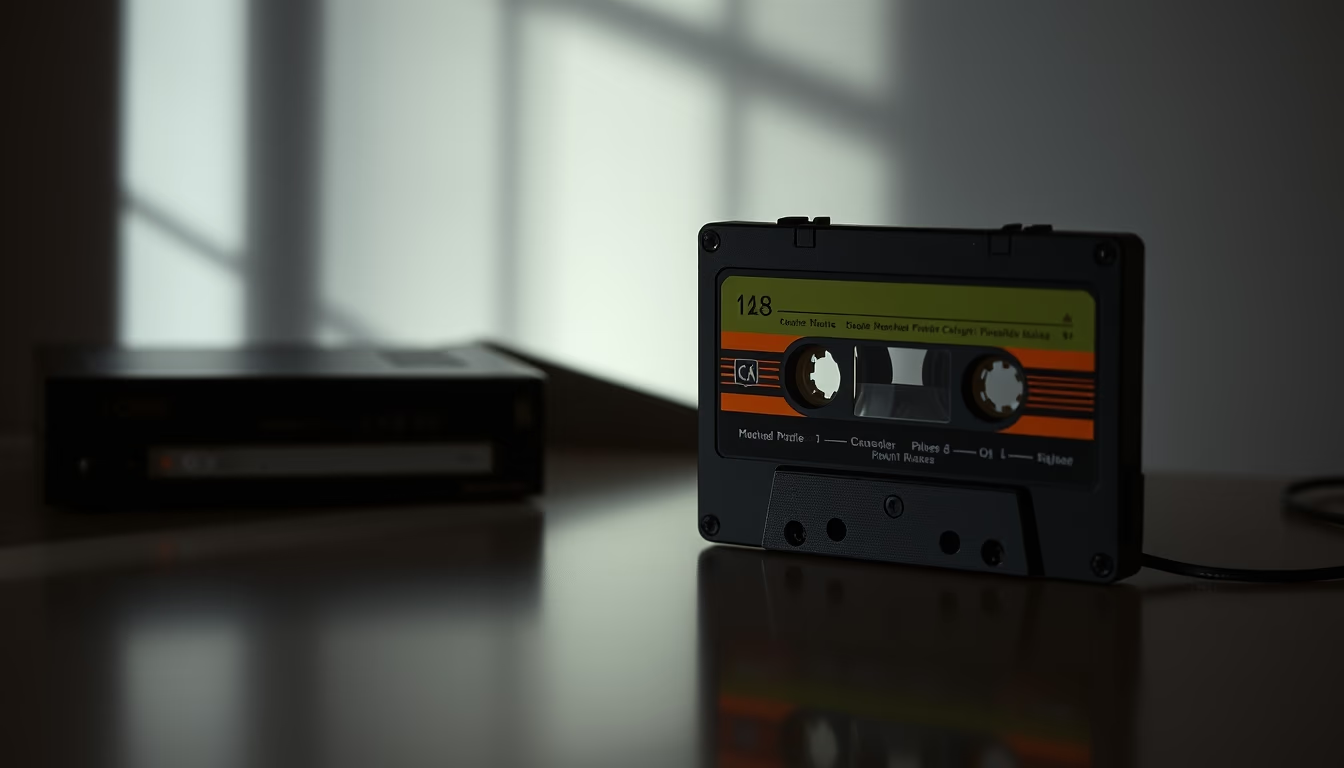
The launch of the Sony Walkman TPS-L2 in 1979 marked the beginning of a new era for music consumption. For the first time, people could take their cassette tapes anywhere, listening through lightweight headphones. The device quickly became a symbol of individual freedom and urban lifestyle. Throughout the 1980s, the Walkman dominated the market: Sony sold millions of units, while brands like Aiwa, Panasonic, and Toshiba created their own models. Battery life, sound quality, and compact design were the key features that captivated an entire generation.
Culturally, the Walkman transformed public spaces. People created private sound bubbles on buses, trains, and streets, isolating themselves from the surrounding environment. This phenomenon was depicted in movies and TV shows of the era as a hallmark of youth and modernity. Additionally, the cassette tape became a medium for sharing personalized playlists, known as mixtapes, which expressed feelings and friendships. The ritual of recording songs from the radio or other tapes was almost a rite of passage.
Technically, the Walkman used compact mechanisms that reduced power consumption. Later models included features like auto-reverse, equalization, and shock protection. The peak of popularity lasted until the late 1990s, when portable CD players and later MP3 players began to replace it. Today, the Walkman is a nostalgic collector's item, especially rare models like the Sony WM-D6C, which offered high-fidelity recording. The Walkman's legacy is undeniable: it paved the way for all portable audio devices that followed.
Frequently Asked Questions
What was the first Walkman released by Sony?
The first Walkman was the Sony TPS-L2, launched on July 1, 1979 in Japan. It featured two headphone jacks so two people could listen together, and an orange 'Hot Line' button that activated a microphone for conversation without removing the headphones.
Why did the Walkman become so popular in the 1980s?
The Walkman combined portability, long battery life (about 8 hours with AA batteries), and good sound quality. Cassette tapes were cheap and allowed home recordings, encouraging the creation of personalized mixtapes, making the device a cultural icon.
Are there still working Walkmans today?
Yes, many original Walkmans still work if well maintained. However, parts like pinch rollers and belts may deteriorate over time. There are enthusiasts and specialized technicians who restore them, and the collector market keeps interest in these devices alive.
Direct URL
https://pub-c7d6a6ea828543ac903a74a341ccb2e1.r2.dev/imagens/cassette-walkman-1980s-cinematic-wide-shot-fresh0.avifHow to credit
Include a visible link back to UtilizAí. Copy one of the snippets below:
<a href="https://xn--utiliza-eza.com/en/midia/imagens/cassette-walkman-1980s-cinematic-wide-shot-fresh0">Cassette walkman 1980s</a> by <a href="https://xn--utiliza-eza.com">UtilizAí</a>, licensed under <a href="https://creativecommons.org/licenses/by/4.0/">CC BY 4.0</a>.
[Cassette walkman 1980s](https://xn--utiliza-eza.com/en/midia/imagens/cassette-walkman-1980s-cinematic-wide-shot-fresh0) by [UtilizAí](https://xn--utiliza-eza.com), CC BY 4.0
License: CC-BY-4.0