Cardiology heart monitor
1344×768 · AVIF · CC BY 4.0
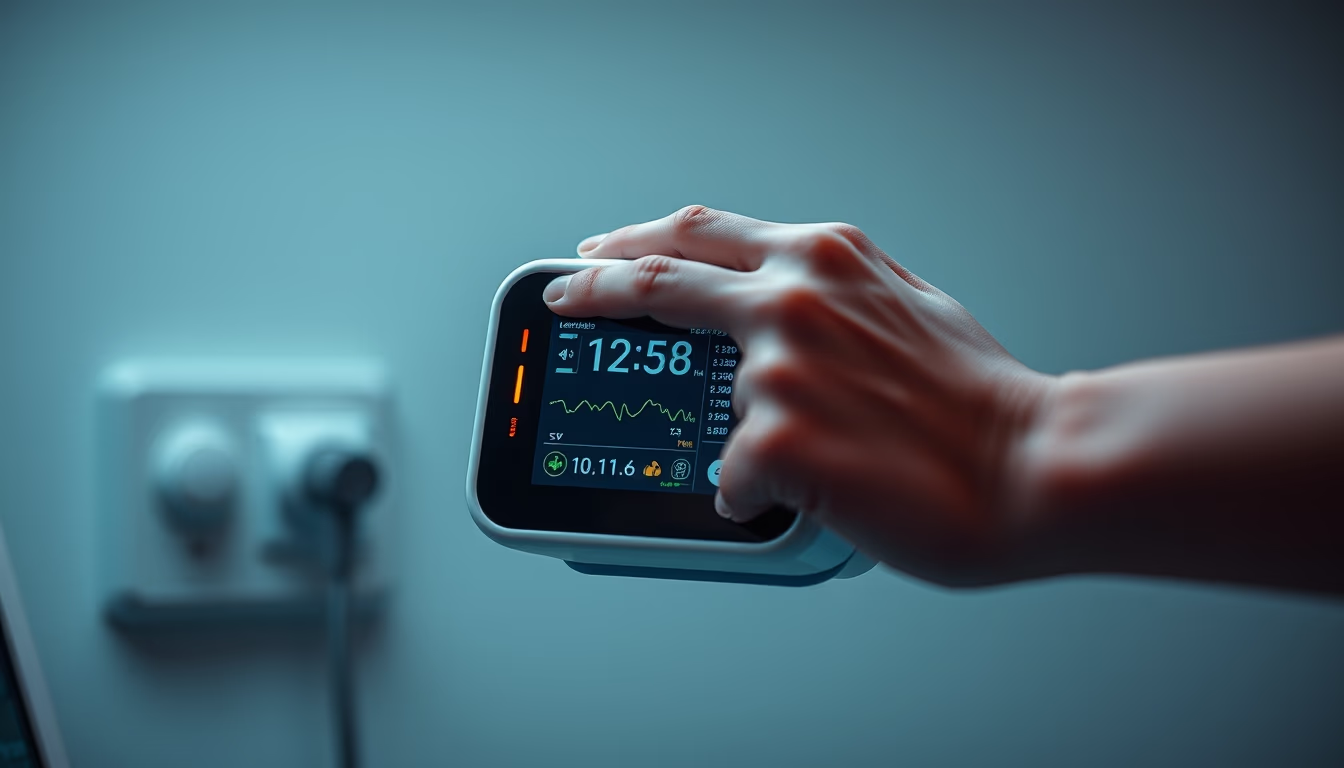
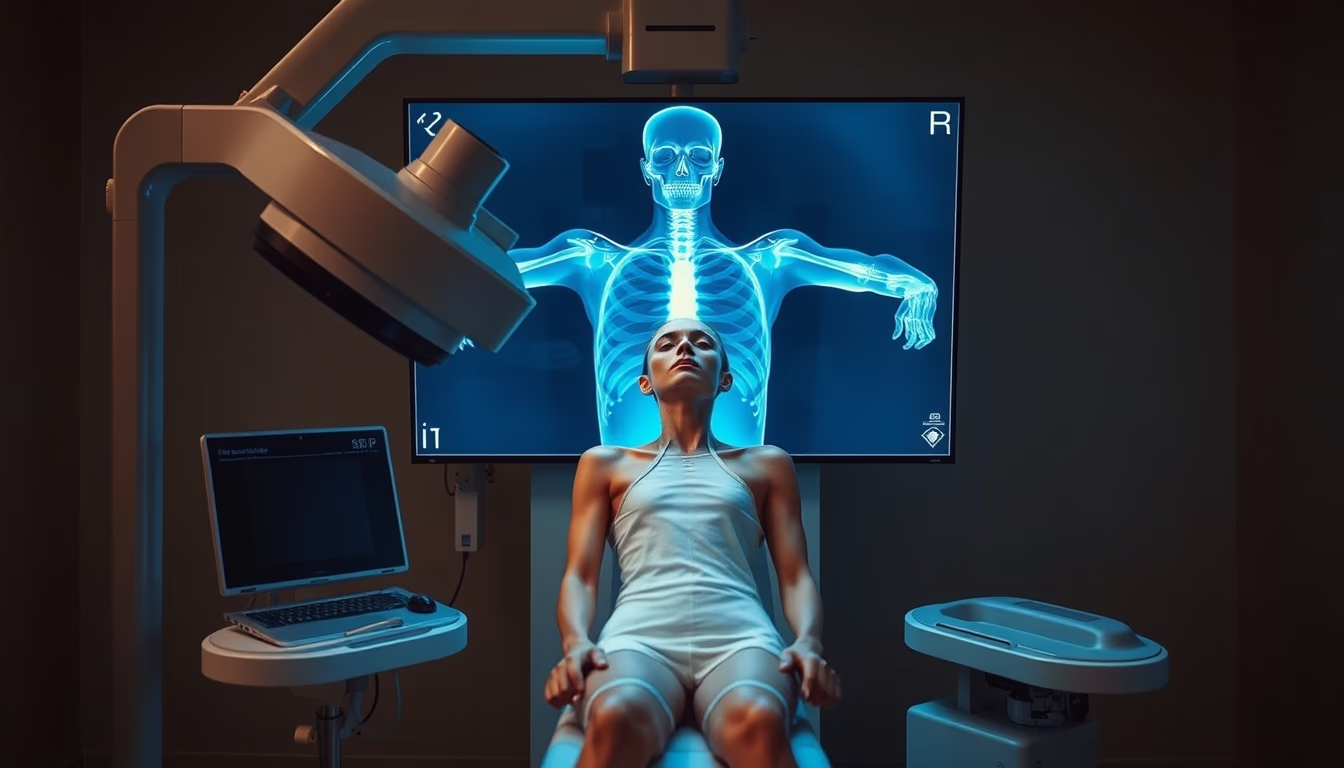
The cardiac monitor, essential in cardiology, enables real-time diagnosis and monitoring of arrhythmias and other heart conditions.
About this subject
The cardiac monitor, also known as an ECG monitor or Holter device, is a medical instrument that records the heart's electrical activity over time. Unlike a conventional electrocardiogram, which captures only a few seconds, modern monitors can track a patient for 24 hours or more, identifying transient events. This technology is crucial for diagnosing arrhythmias such as atrial fibrillation, ventricular tachycardia, or bradycardia, which often do not appear in spot exams.
The first portable cardiac monitors emerged in the 1960s, with Norman Holter creating a device capable of recording data for hours. Today, equipment has evolved into digital models with multiple leads, cloud storage, and integration with hospital systems. Besides hospitals, home versions allow relapsed or post-operative patients to send data directly to doctors, reducing hospitalizations.
In Brazil, the use of cardiac monitors is regulated by ANVISA and follows international protocols. In intensive care units, they aid in the early detection of acute myocardial infarction (AMI) and in assessing the efficacy of antiarrhythmic drugs. Heart rate, rhythm, and the morphology of P, QRS, and T waves are continuously analyzed, with alarms for critical changes.
A curious fact: modern sensors can be implantable, such as the loop recorder, which monitors the heart for up to three years. Wearable versions, like smartwatches with ECG, have popularized access to monitoring but require clinical validation. Artificial intelligence is beginning to be used to automatically interpret the tracings, increasing diagnostic accuracy.
Frequently Asked Questions
What is the purpose of a Holter cardiac monitor?
The Holter records the heart's electrical activity for 24 to 48 hours, helping diagnose arrhythmias that do not appear in quick exams, such as fainting or palpitations.
How long does a cardiac monitor test last?
It depends on the type: an event monitor can be used for weeks, while a standard Holter lasts 24 to 48 hours. An implantable loop recorder can last up to 3 years.
Is a cardiac monitor uncomfortable?
No. The adhesive electrodes may cause mild skin irritation, but the procedure is painless and non-invasive. The patient maintains normal daily activities during the test.
Direct URL
https://pub-c7d6a6ea828543ac903a74a341ccb2e1.r2.dev/imagens/cardiology-heart-monitor-fine-art-photography-p3.avifHow to credit
Include a visible link back to UtilizAí. Copy one of the snippets below:
<a href="https://xn--utiliza-eza.com/en/midia/imagens/cardiology-heart-monitor-fine-art-photography-p3">Cardiology heart monitor</a> by <a href="https://xn--utiliza-eza.com">UtilizAí</a>, licensed under <a href="https://creativecommons.org/licenses/by/4.0/">CC BY 4.0</a>.
[Cardiology heart monitor](https://xn--utiliza-eza.com/en/midia/imagens/cardiology-heart-monitor-fine-art-photography-p3) by [UtilizAí](https://xn--utiliza-eza.com), CC BY 4.0
License: CC-BY-4.0