Candle pouring hot wax
1344×768 · AVIF · CC BY 4.0
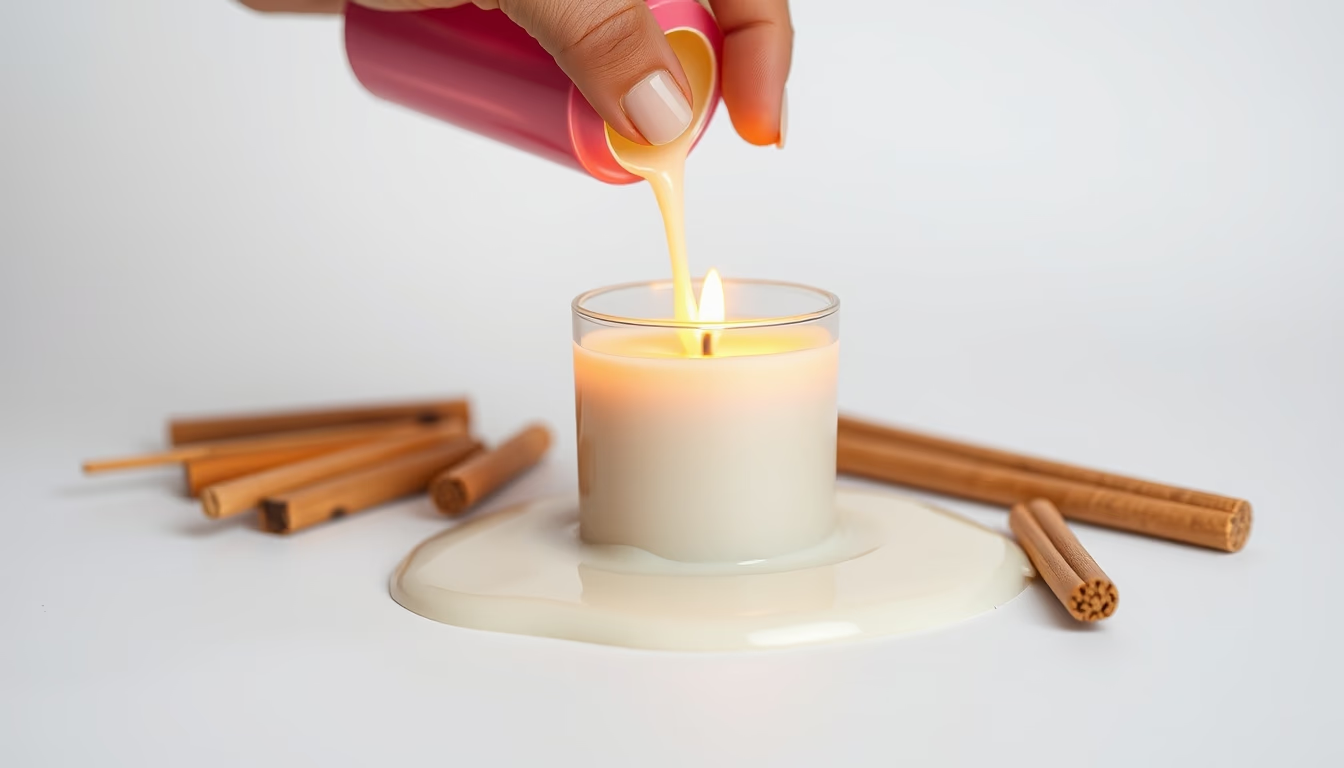
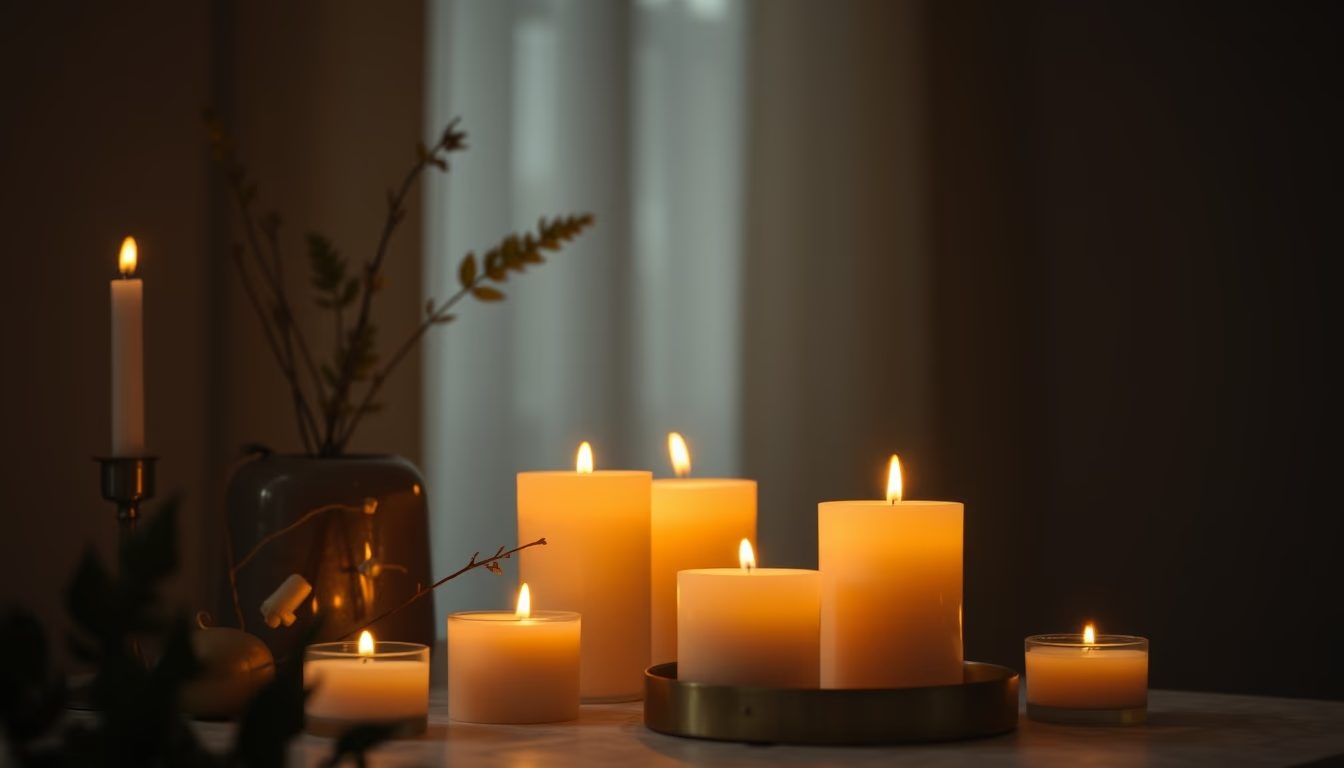
Pouring hot wax into handmade candles requires skill, precise temperature, and creativity to produce unique, fragrant pieces.
About this subject
The process begins with selecting the wax type: soy, paraffin, beeswax, or palm. Each has a specific melting point, ranging from 45°C to 85°C. Pouring must be slow and steady to avoid air bubbles that can cause tunneling. Handmade candle making surged in popularity during the pandemic as a side hustle for many ordinary people. Ambient temperature affects solidification; cold days require faster pouring or warmer wax. Fragrance and color are added before pouring, using essential oils or synthetic fragrances. Liquid dyes allow gradients. After pouring, candles need to cure for 24, 48 hours. This method parallels industrial production but with more artisanal control. Interestingly, the ancient technique of repeated dipping created tapered candles for centuries, but today pour-and-mold methods are more common.
Frequently Asked Questions
What is the ideal temperature for pouring soy wax?
Between 55°C and 65°C, depending on the brand.
Why do bubbles appear after pouring?
Bubbles often result from pouring too quickly or excessive stirring.
How long does a soy wax candle need to cure?
Typically 24 to 48 hours before first burn.
Direct URL
https://pub-c7d6a6ea828543ac903a74a341ccb2e1.r2.dev/imagens/candle-pouring-hot-wax-commercial-product-photography-p4.avifHow to credit
Include a visible link back to UtilizAí. Copy one of the snippets below:
<a href="https://xn--utiliza-eza.com/en/midia/imagens/candle-pouring-hot-wax-commercial-product-photography-p4">Candle pouring hot wax</a> by <a href="https://xn--utiliza-eza.com">UtilizAí</a>, licensed under <a href="https://creativecommons.org/licenses/by/4.0/">CC BY 4.0</a>.
[Candle pouring hot wax](https://xn--utiliza-eza.com/en/midia/imagens/candle-pouring-hot-wax-commercial-product-photography-p4) by [UtilizAí](https://xn--utiliza-eza.com), CC BY 4.0
License: CC-BY-4.0