Campfire roaring forest
1344×768 · AVIF · CC BY 4.0
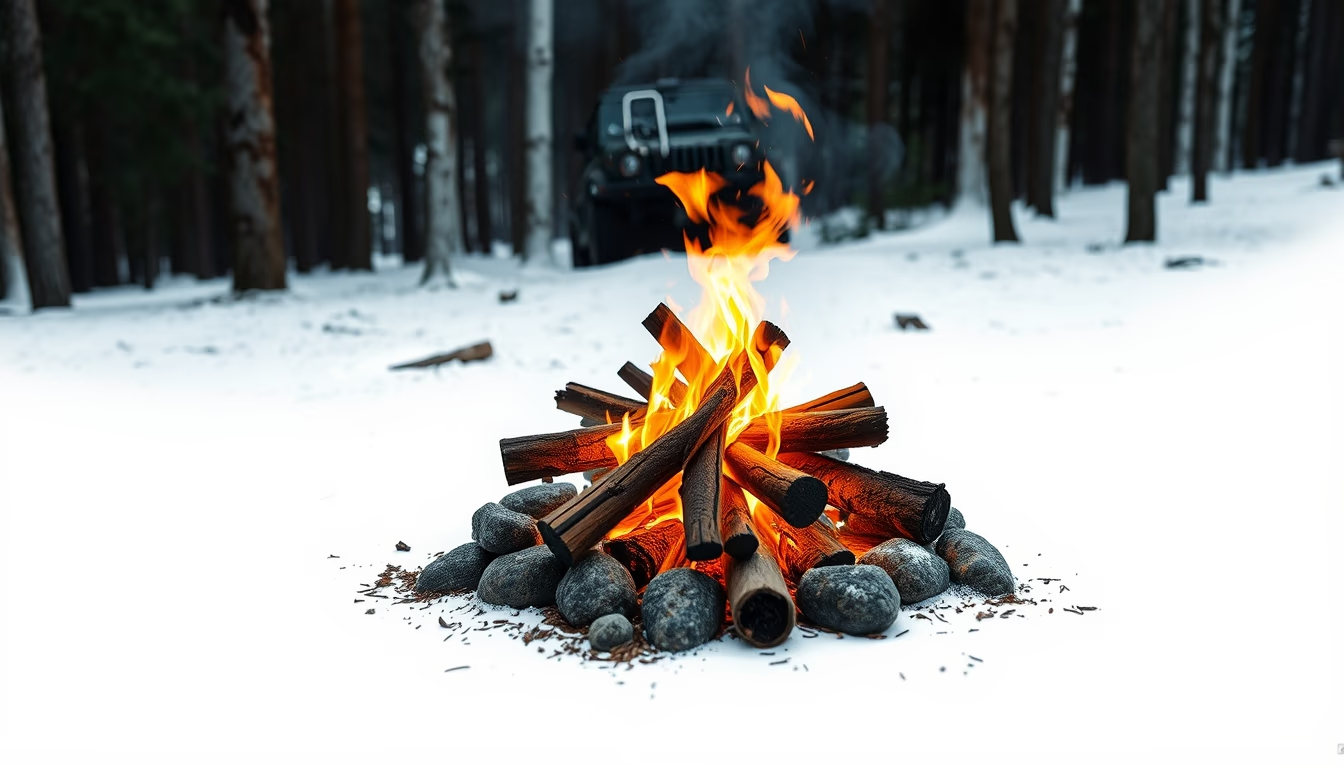
Crackling campfire in a dense forest, symbol of coziness and outdoor adventure for camping and group gatherings.
About this subject
The campfire is an ancient practice that has accompanied humanity since prehistory, used for heating, cooking food, and providing light at night. In forest environments, controlled fire is a central element in camping, backpacking trips, and survival expeditions. In Brazil, campfires also mark traditional festivities like the Fogueira de São João (St. John's Bonfire), which celebrates the winter solstice with dances and typical foods.
To set up a safe campfire, it is essential to choose a location away from dry vegetation, low-hanging branches, and exposed roots. The area should be cleared within a radius of at least 3 meters, forming a stone circle to contain the embers. Ideal firewood is dry and resin-free, such as eucalyptus or oak, which burn steadily and produce less smoke. Avoid green or treated wood, which releases toxins.
Despite the visual appeal and thermal comfort, campfires have significant environmental impacts. The soil beneath the fire can take years to recover, and carbon emissions contribute to climate change. Therefore, many national parks and conservation areas restrict or prohibit campfires, encouraging the use of portable stoves or elevated fire rings. In regions at risk of forest fires, such as the Cerrado and the Amazon, the practice requires even greater caution.
Interesting fact: fire not only provides warmth but also repels insects and wild animals, making it an ally during outdoor nights. However, a campfire should never be left unattended. Fully extinguishing it with water and soil before sleeping or leaving is the golden rule to prevent accidents and preserve the ecosystem.
Frequently Asked Questions
How to build a safe campfire in the forest?
Choose a flat spot away from vegetation, clear a 3-meter radius circle, and surround the area with stones. Use dry firewood and avoid lighting fires on windy days or during extreme drought.
What is the best wood for a campfire?
Hard, dry woods such as eucalyptus, oak, and birch are ideal. They burn longer and produce less smoke. Avoid soft or resinous woods, which create sparks and soot.
Are campfires allowed in national parks?
It depends on the conservation unit. Many parks ban campfires to reduce fire risks and environmental impact. Check local rules and prefer portable stoves when restrictions apply.
Direct URL
https://pub-c7d6a6ea828543ac903a74a341ccb2e1.r2.dev/imagens/campfire-roaring-forest-commercial-product-photography-p4.avifHow to credit
Include a visible link back to UtilizAí. Copy one of the snippets below:
<a href="https://xn--utiliza-eza.com/en/midia/imagens/campfire-roaring-forest-commercial-product-photography-p4">Campfire roaring forest</a> by <a href="https://xn--utiliza-eza.com">UtilizAí</a>, licensed under <a href="https://creativecommons.org/licenses/by/4.0/">CC BY 4.0</a>.
[Campfire roaring forest](https://xn--utiliza-eza.com/en/midia/imagens/campfire-roaring-forest-commercial-product-photography-p4) by [UtilizAí](https://xn--utiliza-eza.com), CC BY 4.0
License: CC-BY-4.0