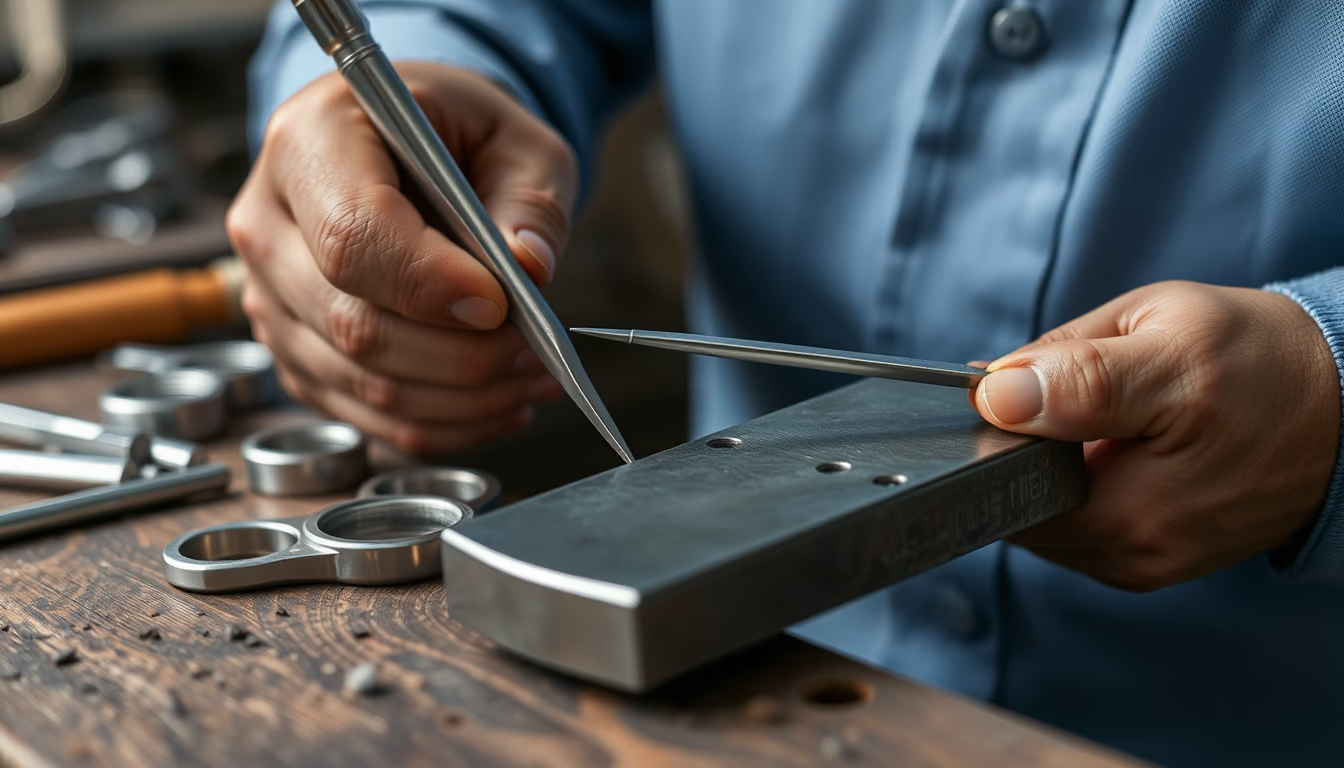
Calligraphy ink brush
1344×768 · AVIF · CC BY 4.0
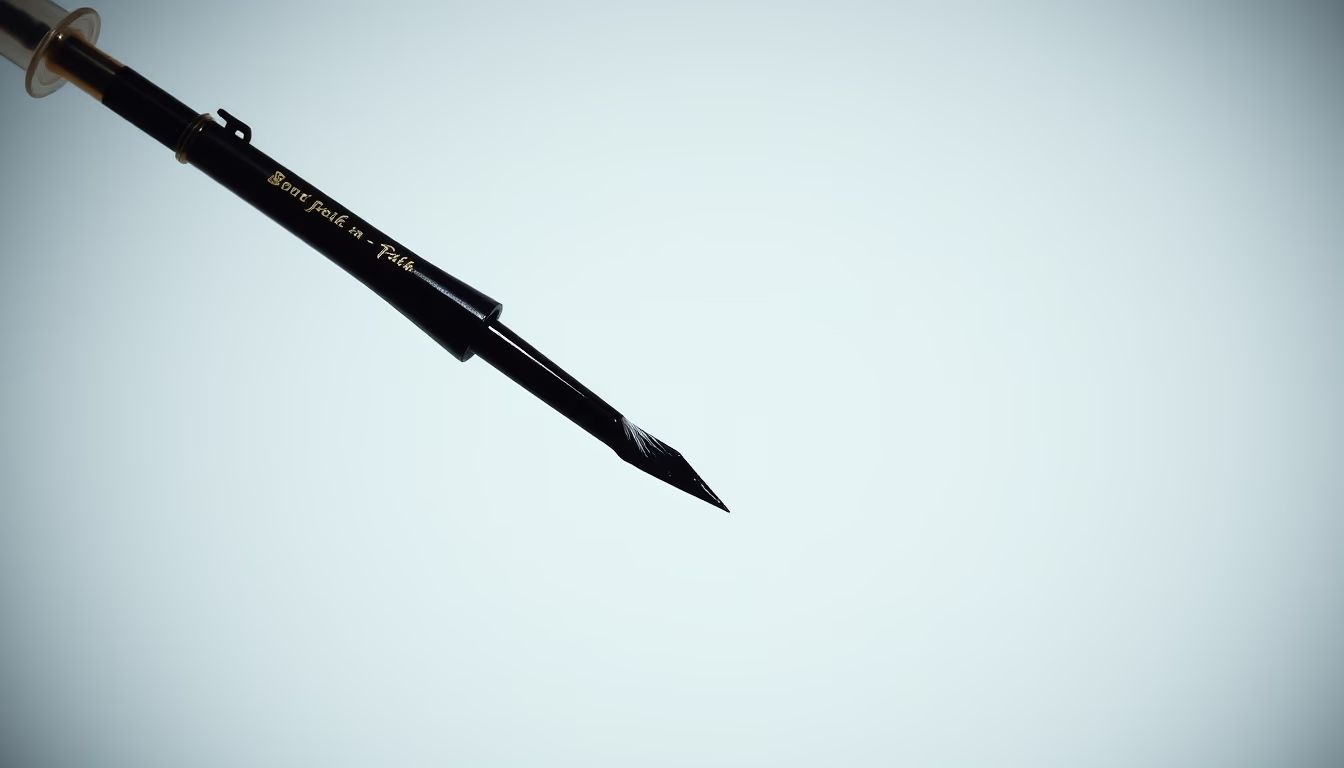
Traditional calligraphy ink brush, essential tool for Chinese and Japanese writing art, with natural bristles and bamboo handle.
About this subject
The calligraphy ink brush, known as 'maobi' in Chinese and 'fude' in Japanese, is an ancient tool that originated in China around 3000 years ago. Its handcrafted construction combines a bamboo or light wood handle with bristles made from animal hair, such as goat, wolf, rabbit, or horse. The choice of hair determines hardness and ink retention: soft goat hair produces smooth, full strokes, while hard wolf hair creates firm, elastic lines.
In Chinese and Japanese calligraphy, the brush is not merely an instrument but an extension of the artist's body. The technique of holding the brush with three fingers, the thumb supporting the handle and the index and middle fingers guiding the movement, allows precise control over pressure and angle. The art of 'shodo' (Japanese calligraphy) values each brushstroke as an expression of the spirit of the moment, and the brush is treated with reverence, cleaned and dried carefully after use.
Brushes vary in size and shape, from fine models for delicate details to wide brushes for large characters or sumi-e painting. In China, the Four Treasures of the Study include brush, ink stick, ink stone, and paper. The brush holds a central position and is a symbol of scholarship. Today, modern versions use synthetic fibers, but traditional natural hair brushes remain preferred by experienced calligraphers.
Preserving the brush requires specific care: never leave it soaking in water, wash with gentle motion in the direction of the bristles, and dry horizontally or hanging with bristles downward. A well-maintained brush can last decades, retaining its stroke memory and contributing to the continuity of this ancient art.
Frequently Asked Questions
What is the origin of the calligraphy ink brush?
The calligraphy ink brush originated in China about 3000 years ago, during the Shang dynasty. It evolved from primitive tools and became one of the Four Treasures of the Study, essential for traditional writing and painting.
How to choose a calligraphy brush for beginners?
Beginners should choose a medium-sized brush (bristle length around 4-5 cm) with mixed goat and wolf hair, offering a balance of softness and firmness. Bamboo handles are lightweight and comfortable.
What care is needed to preserve a calligraphy brush?
After use, rinse the brush under cold running water, removing all ink. Gently dry the bristles with a cloth, reshape the tip, and hang the brush with bristles downward. Never soak the brush or let it dry with residual ink.
Direct URL
https://pub-c7d6a6ea828543ac903a74a341ccb2e1.r2.dev/imagens/calligraphy-ink-brush-lo-fi-disposable-camera-p2.avifHow to credit
Include a visible link back to UtilizAí. Copy one of the snippets below:
<a href="https://xn--utiliza-eza.com/en/midia/imagens/calligraphy-ink-brush-lo-fi-disposable-camera-p2">Calligraphy ink brush</a> by <a href="https://xn--utiliza-eza.com">UtilizAí</a>, licensed under <a href="https://creativecommons.org/licenses/by/4.0/">CC BY 4.0</a>.
[Calligraphy ink brush](https://xn--utiliza-eza.com/en/midia/imagens/calligraphy-ink-brush-lo-fi-disposable-camera-p2) by [UtilizAí](https://xn--utiliza-eza.com), CC BY 4.0
License: CC-BY-4.0