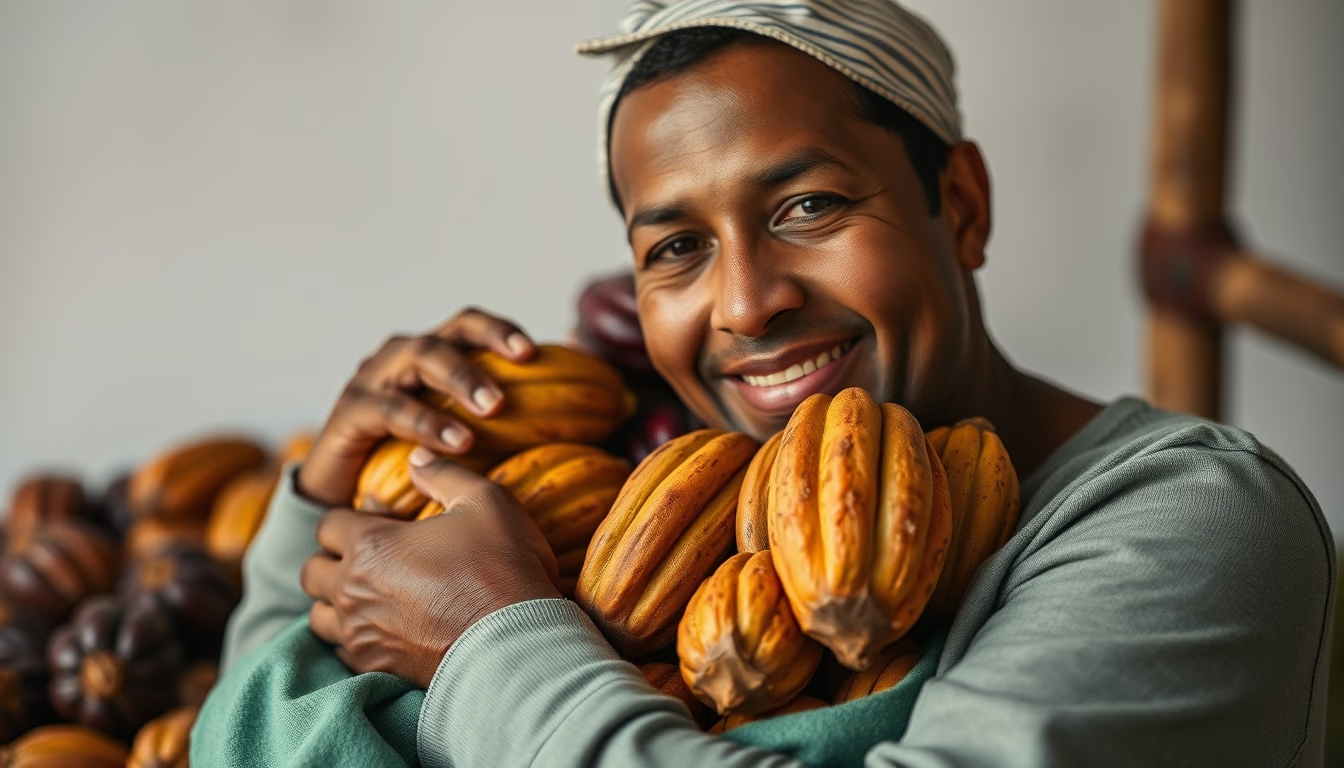
Cacao pods harvested
1344×768 · AVIF · CC BY 4.0
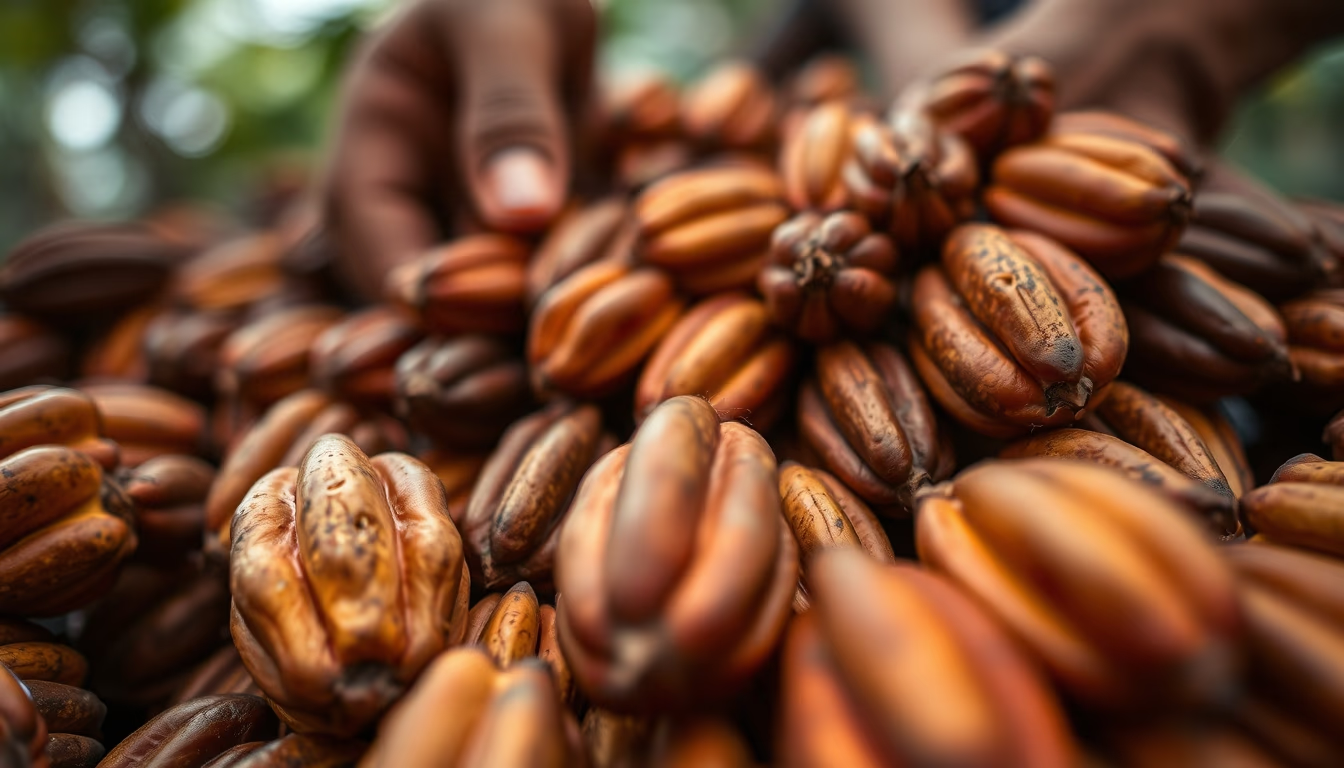
Freshly harvested cacao pods in close-up reveal the raw material of chocolate, from tropical cultivation to fermentation.
About this subject
Cacao (Theobroma cacao) is a tree native to tropical America, cultivated for over 3,000 years by the Olmec, Maya, and Aztec peoples. The pods, which grow directly on the trunk and branches, measure 15 to 30 centimeters and contain 20 to 50 seeds surrounded by a white, sweet pulp. Harvesting is done manually with machetes, cutting the stem without damaging the tree bark, a skill that prevents wounds that attract fungi and pests.
Each tree produces about 20 to 30 pods per year, but yield varies by variety: Forastero, Criollo, and Trinitario. Forastero, more hardy and bitter, accounts for 80% of global production, while Criollo, rare and aromatic, is used in fine chocolates. The main harvest occurs between October and March in Brazil, the largest producer in the Americas, notably in Bahia and Pará states.
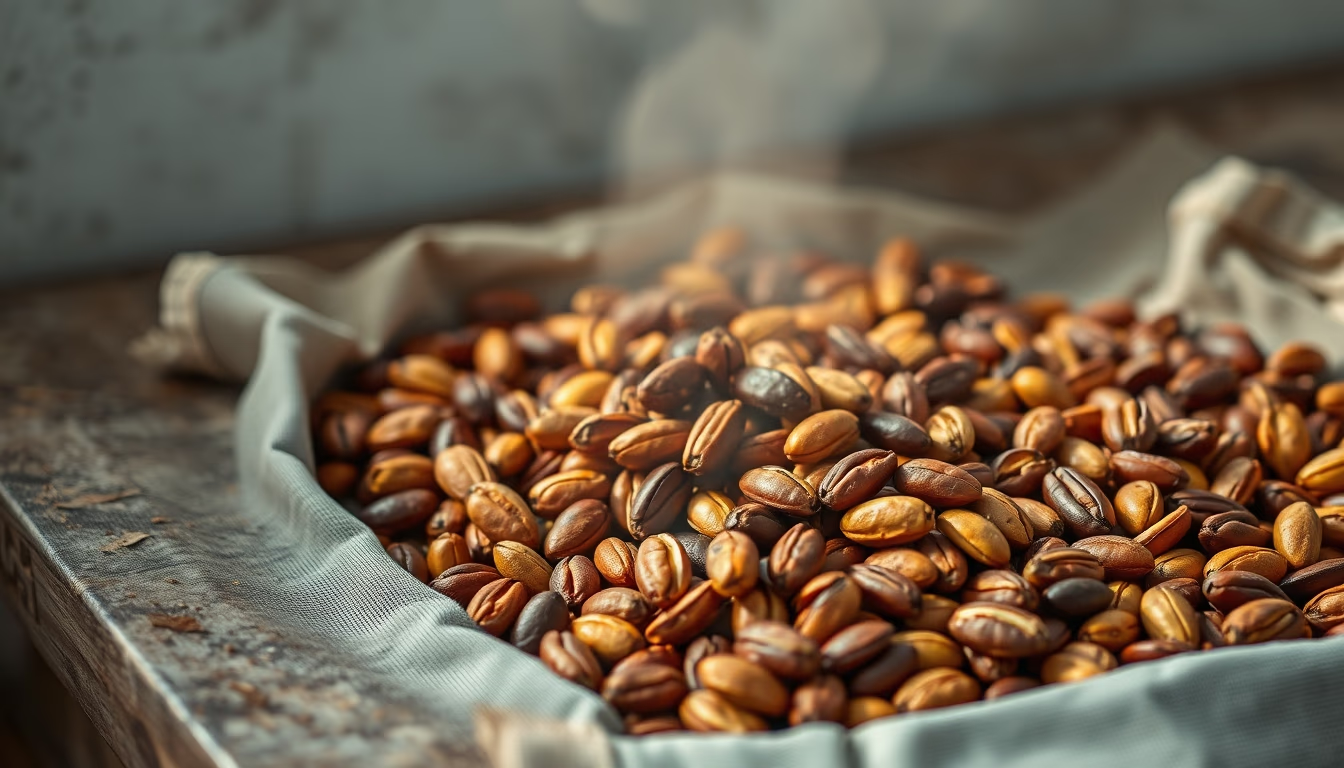
After harvest, pods are opened to extract the seeds, which undergo fermentation for 5 to 7 days in wooden boxes. This process develops flavor precursors: alcohols, acids, and esters that, after sun or mechanical drying, become cacao nibs used for chocolate making. The residual pulp is used for juices, jellies, or spirits.
The cacao supply chain faces challenges like witch's broom disease (Moniliophthora perniciosa), which devastated Bahian plantations in the 1990s, and efforts toward fair trade and sustainability certifications. Agroforestry systems, with shade from native trees, preserve biodiversity and improve bean quality.
Frequently Asked Questions
What is the difference between Forastero, Criollo, and Trinitario cacao varieties?
Forastero is the most common, hardy, and bitter, accounting for 80% of production. Criollo is rare, aromatic, and used in premium chocolates. Trinitario is a hybrid of both, with intermediate resistance and aroma.
Why do cacao pods need to be fermented?
Fermentation removes the sweet pulp and develops flavor precursors like acids and esters. Without it, chocolate would taste bitter and astringent, lacking aromatic complexity.
Where is cacao grown in Brazil?
The main producing states are Bahia (southern region, with cabruca system) and Pará (largest national producer, with full sun and agroforestry cultivation). Other states include Espírito Santo, Rondônia, and Amazonas.
Direct URL
https://pub-c7d6a6ea828543ac903a74a341ccb2e1.r2.dev/imagens/cacao-pods-harvested-macro-closeup-fresh0.avifHow to credit
Include a visible link back to UtilizAí. Copy one of the snippets below:
<a href="https://xn--utiliza-eza.com/en/midia/imagens/cacao-pods-harvested-macro-closeup-fresh0">Cacao pods harvested</a> by <a href="https://xn--utiliza-eza.com">UtilizAí</a>, licensed under <a href="https://creativecommons.org/licenses/by/4.0/">CC BY 4.0</a>.
[Cacao pods harvested](https://xn--utiliza-eza.com/en/midia/imagens/cacao-pods-harvested-macro-closeup-fresh0) by [UtilizAí](https://xn--utiliza-eza.com), CC BY 4.0
License: CC-BY-4.0