Cacao pods harvested
1344×768 · AVIF · CC BY 4.0
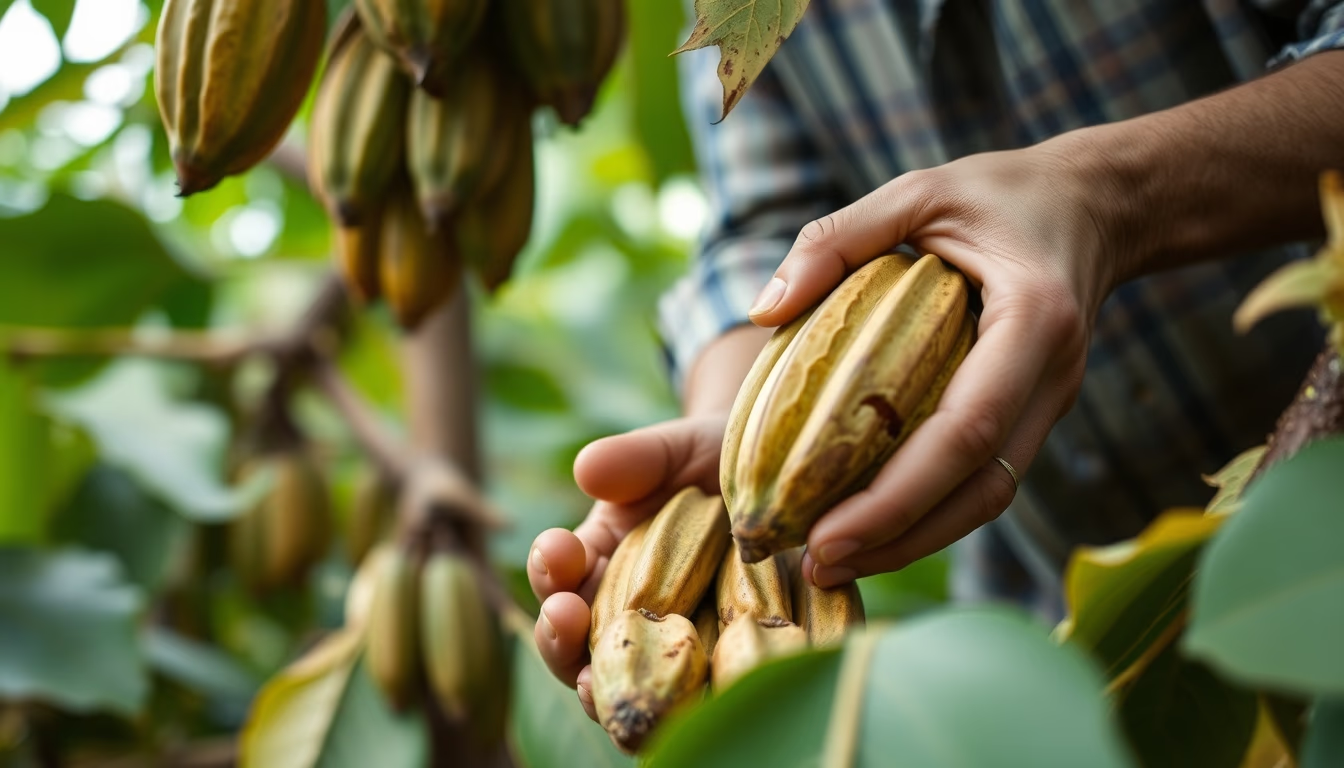
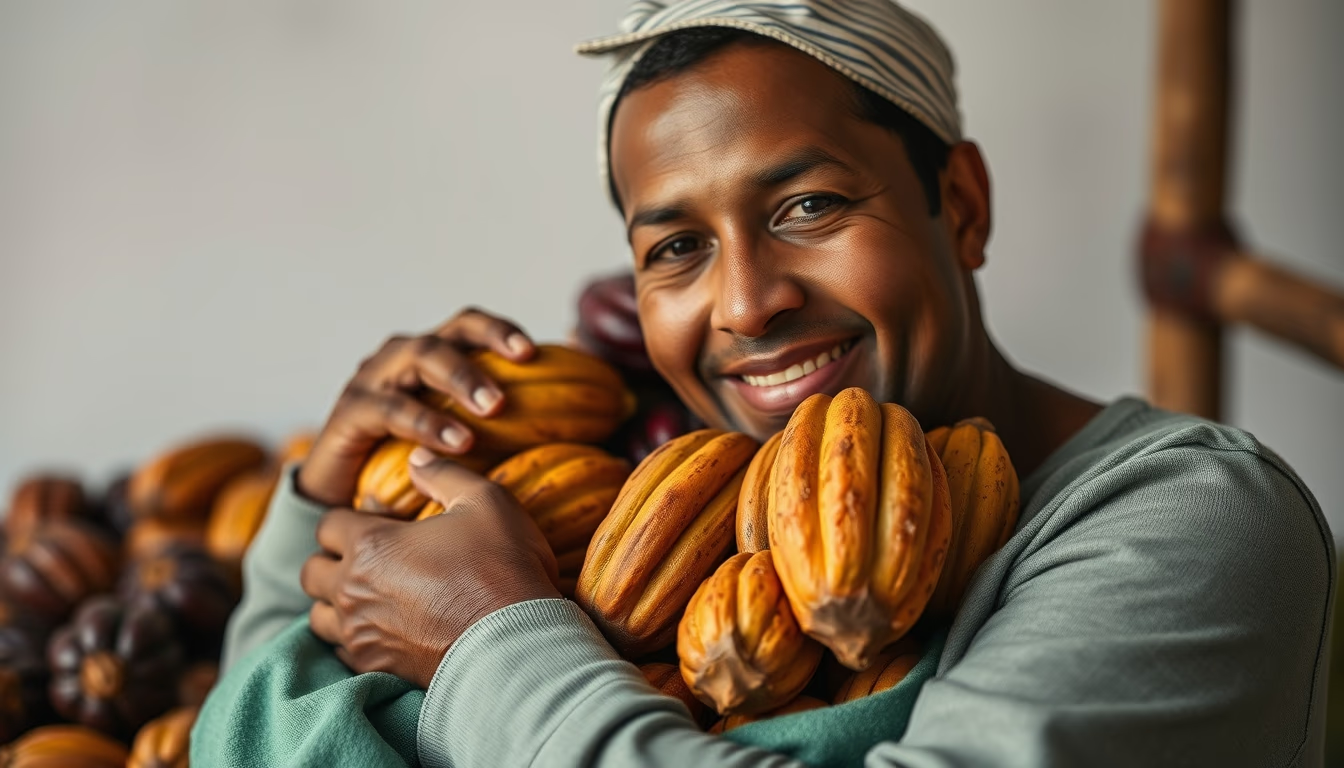
Freshly harvested cacao pods display the raw material essential for chocolate production, one of the most beloved foods in Brazil and worldwide.
About this subject
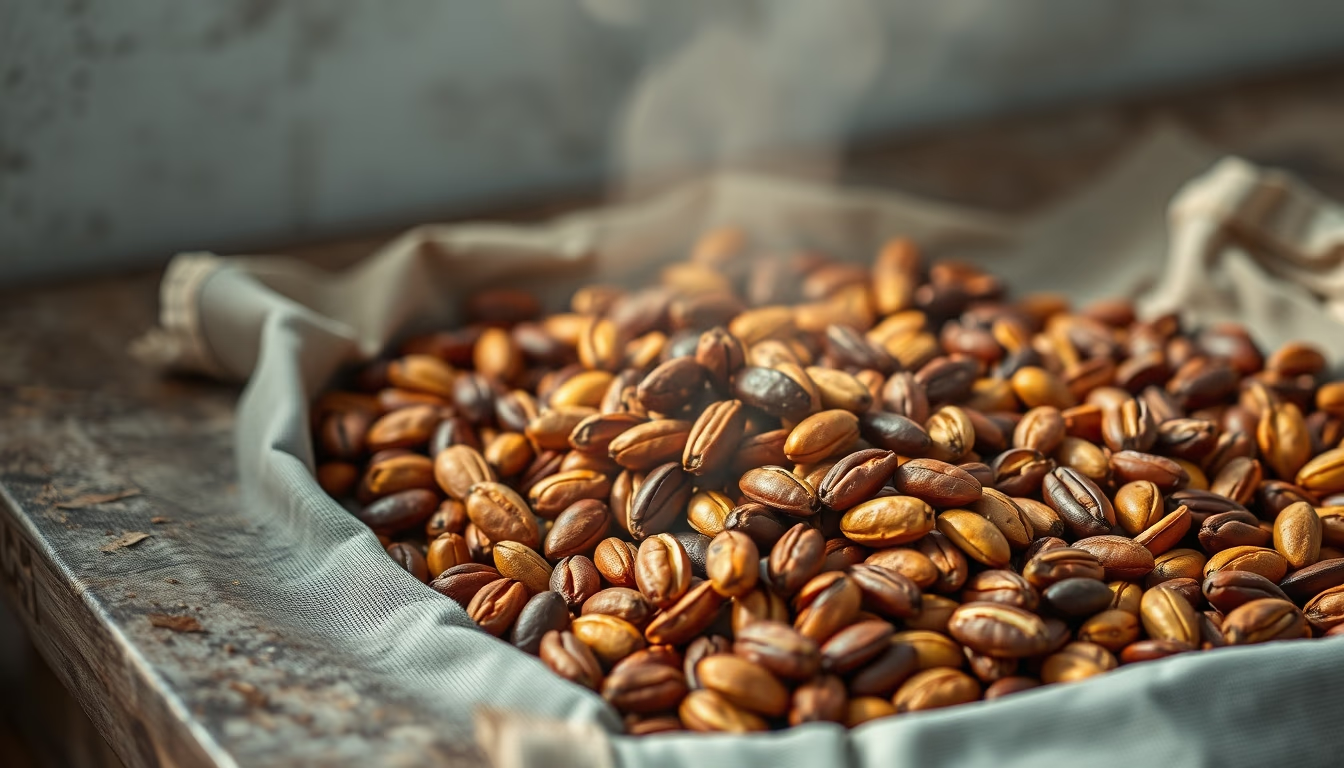
Cacao pods, the fruit of the cacao tree (Theobroma cacao), are the primary source for chocolate production. Each pod, weighing an average of 300 to 500 grams, contains 20 to 50 seeds surrounded by a sweet white pulp. After fermentation and drying, these seeds become cacao nibs, the base for all chocolate derivatives.
Brazil is one of the world's largest cacao producers, with the southern region of Bahia accounting for about 70% of national production. Other states such as Pará, Rondônia, and Espírito Santo also cultivate the fruit. The cacao tree is a tropical plant requiring a warm, humid climate, with temperatures between 22°C and 30°C and annual rainfall above 1,200 mm. Harvesting is manual and selective, using machetes or pruning shears to cut the ripe pod's stem without damaging the tree.
There are three main cacao varieties: Forastero, the most common and hardy, accounting for about 80% of global production; Criollo, rare and with a milder flavor, grown in small quantities; and Trinitario, a hybrid combining traits of both. Forastero is the most cultivated in Brazil, especially the 'Comum' or 'Parazinho' type. After harvesting, pods are opened to extract the seeds, which undergo fermentation for 5 to 7 days in boxes or heaps, a crucial step for developing the chocolate's aroma and flavor. The seeds are then sun-dried or dried in ovens until they reach about 7% moisture, ready for roasting and processing.
Historical curiosity: the Aztecs used cacao seeds as currency, and the drink made from them was reserved for nobility and warriors. Today, cacao is a global commodity, moving billions of dollars and supporting millions of small farmers in tropical countries. Brazil, despite losing positions in the world ranking due to diseases like witches' broom in the 1990s, has been recovering its production with resistant varieties and sustainable techniques.
Frequently Asked Questions
How is cacao harvested?
Cacao is harvested manually and selectively. Workers cut the stem of ripe pods with machetes or pruning shears, being careful not to damage the tree. The pods are then opened to extract the seeds surrounded by pulp.
How many pods does a cacao tree produce per year?
A mature cacao tree can produce 20 to 30 pods per year on average, depending on the variety, climate, and plantation care. Each pod yields about 30 to 50 seeds.
What is the difference between cacao types?
The three main types are: Forastero (most common, hardy, bitter), Criollo (rare, mild aroma, less resistant), and Trinitario (hybrid, combining robustness and flavor). Forastero predominates in Brazil and worldwide.
Direct URL
https://pub-c7d6a6ea828543ac903a74a341ccb2e1.r2.dev/imagens/cacao-pods-harvested-film-grain-authentic-fresh8.avifHow to credit
Include a visible link back to UtilizAí. Copy one of the snippets below:
<a href="https://xn--utiliza-eza.com/en/midia/imagens/cacao-pods-harvested-film-grain-authentic-fresh8">Cacao pods harvested</a> by <a href="https://xn--utiliza-eza.com">UtilizAí</a>, licensed under <a href="https://creativecommons.org/licenses/by/4.0/">CC BY 4.0</a>.
[Cacao pods harvested](https://xn--utiliza-eza.com/en/midia/imagens/cacao-pods-harvested-film-grain-authentic-fresh8) by [UtilizAí](https://xn--utiliza-eza.com), CC BY 4.0
License: CC-BY-4.0