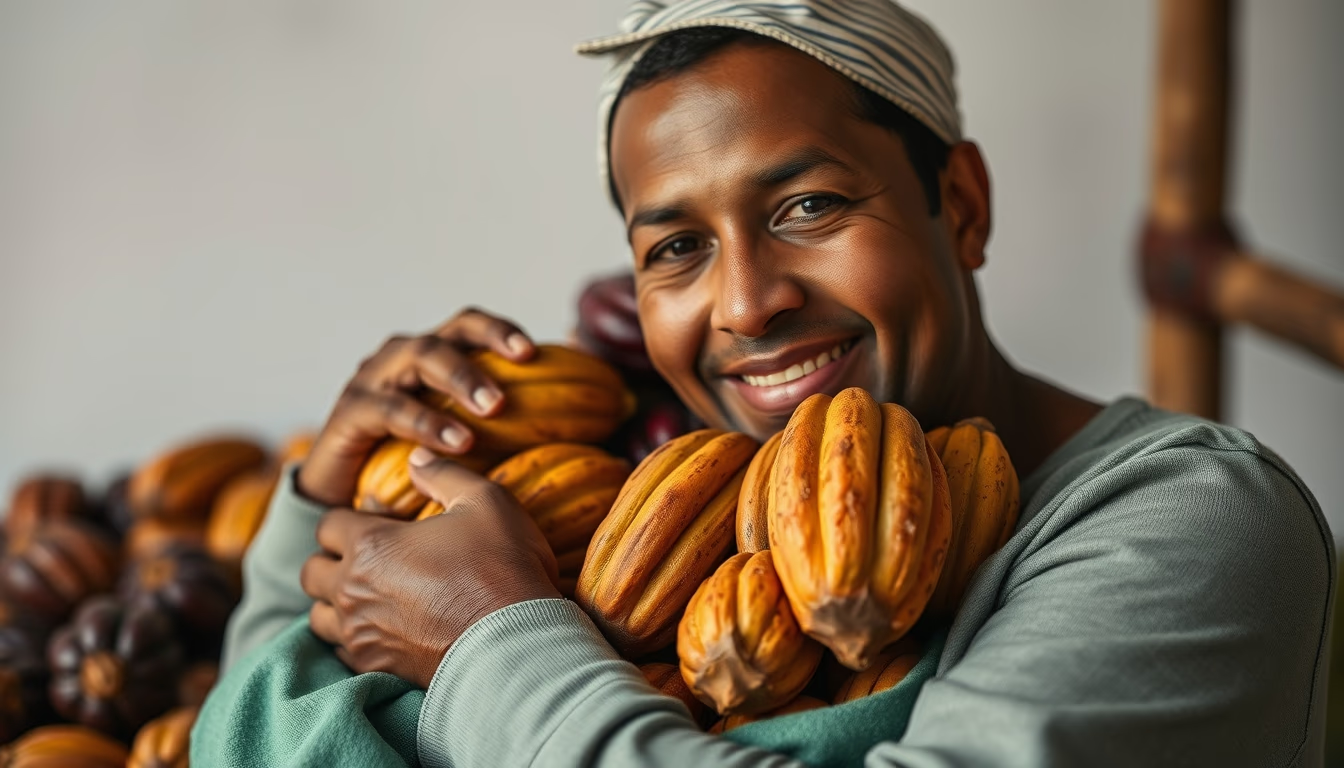
Cacao pods harvested
1344×768 · AVIF · CC BY 4.0
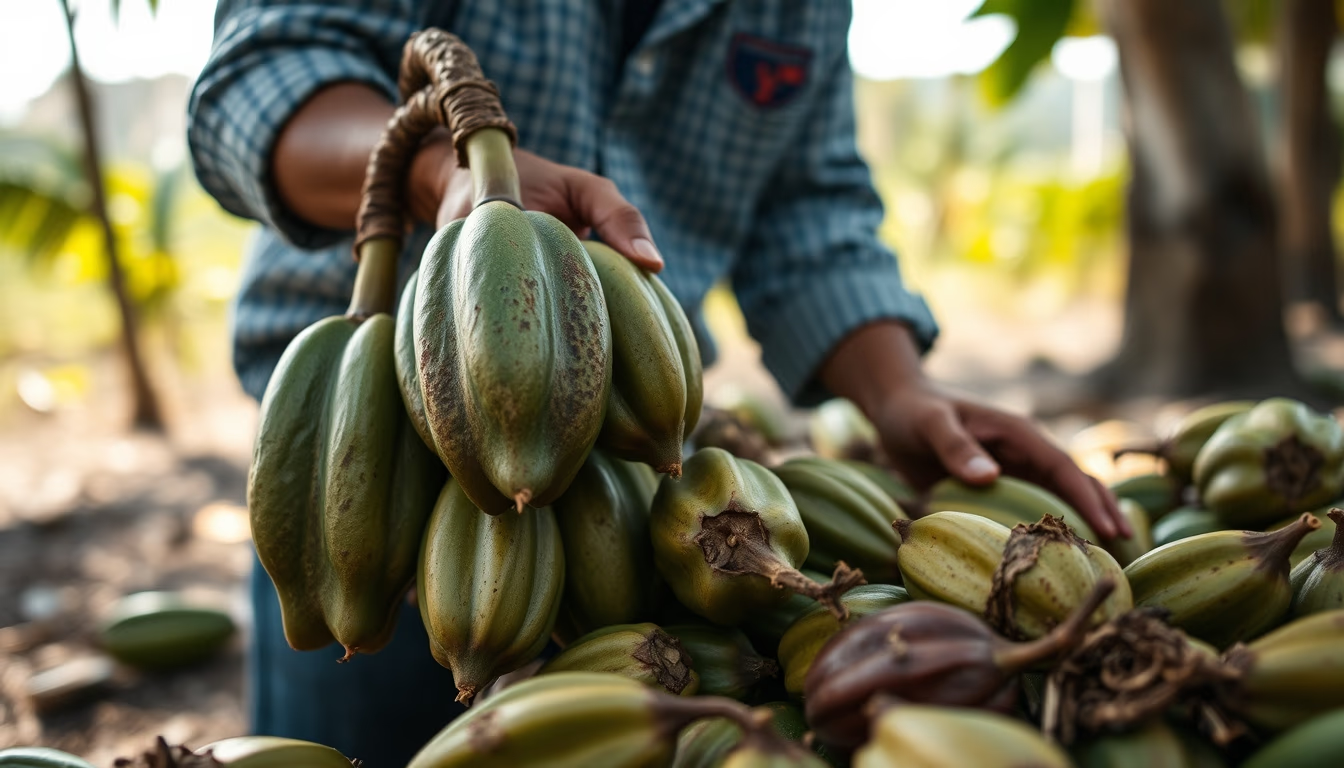
Freshly harvested cacao pods: the first step in chocolate production, from the farm to fermentation.
About this subject
Cacao pods, the fruit of the cacao tree (Theobroma cacao), are the starting point for chocolate production. Harvested manually with machetes, ripe pods display colors ranging from yellow to purple, depending on the variety and ripeness. Each pod contains 20 to 60 seeds, known as cocoa beans, surrounded by a sweet white pulp. The harvest requires careful handling to avoid damaging the tree trunk, ensuring future yields.
In Brazil, cacao farming is prominent in the states of Bahia and Pará, which together produce over 90% of the national output. Cacao is of great economic and cultural importance, especially in southern Bahia, where the historic cacao cycle shaped land occupation, farm architecture, and local identity. The “cacao coast” region preserves traditions in music and cuisine, such as the famous “barriga de aluguel” dish.
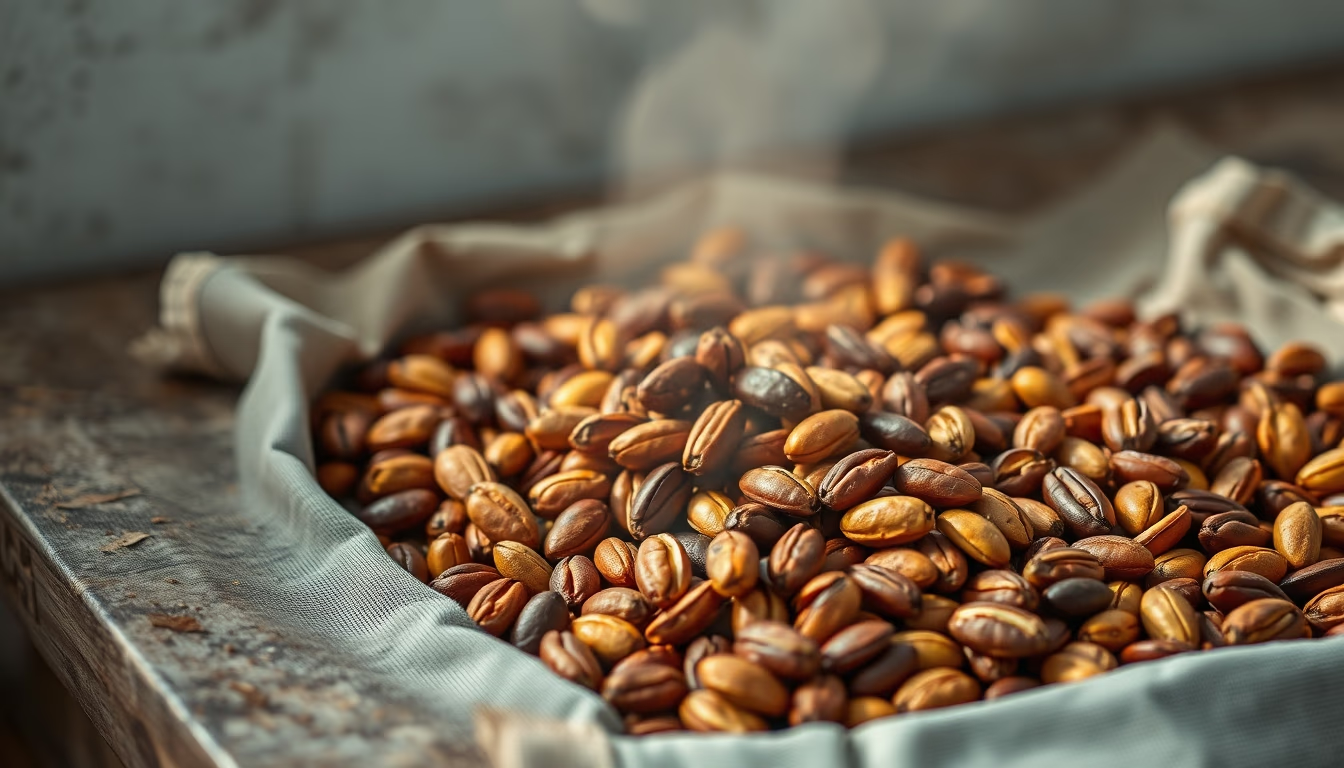
After harvest, pods are opened to extract the beans, which undergo fermentation, a critical step for developing chocolate flavor precursors. Fermentation lasts five to seven days, during which the beans are turned and aerated. Then they are sun-dried or mechanically dried to about 7% moisture before roasting. From harvest to roasting, each stage defines the final chocolate quality, with regional variations producing unique sensory profiles.
The scientific name Theobroma cacao means “food of the gods,” and cacao was used as currency by the Aztecs. Global production is led by Ivory Coast, Ghana, and Indonesia, but Brazil stands out for fine-flavor or origin cacao, prized for fruity and floral notes. Hand harvesting and sustainable management are increasingly adopted to preserve forests and add value to the product.
Frequently Asked Questions
How can you tell if a cacao pod is ripe for harvest?
A ripe pod changes color, typically from green to yellow, orange, or red depending on the variety. Additionally, the pod sounds hollow when tapped, and the shell begins to slightly wrinkle.
How many cacao beans are needed to make a 100g chocolate bar?
To produce a 100g bar of dark chocolate, approximately 30 to 40 cacao beans (about 1 pod) are needed. The yield varies depending on cocoa butter content and processing methods.
What is the difference between bulk and fine-flavor cacao?
Fine-flavor or origin cacao comes from specific varieties (such as Criollo and Trinitário) and is processed using techniques that preserve fruity and floral aromas. Bulk cacao (Forastero) is more bitter and used in industrial chocolates.
Direct URL
https://pub-c7d6a6ea828543ac903a74a341ccb2e1.r2.dev/imagens/cacao-pods-harvested-documentary-photography-fresh16.avifHow to credit
Include a visible link back to UtilizAí. Copy one of the snippets below:
<a href="https://xn--utiliza-eza.com/en/midia/imagens/cacao-pods-harvested-documentary-photography-fresh16">Cacao pods harvested</a> by <a href="https://xn--utiliza-eza.com">UtilizAí</a>, licensed under <a href="https://creativecommons.org/licenses/by/4.0/">CC BY 4.0</a>.
[Cacao pods harvested](https://xn--utiliza-eza.com/en/midia/imagens/cacao-pods-harvested-documentary-photography-fresh16) by [UtilizAí](https://xn--utiliza-eza.com), CC BY 4.0
License: CC-BY-4.0