Cacao pods harvested
1344×768 · AVIF · CC BY 4.0
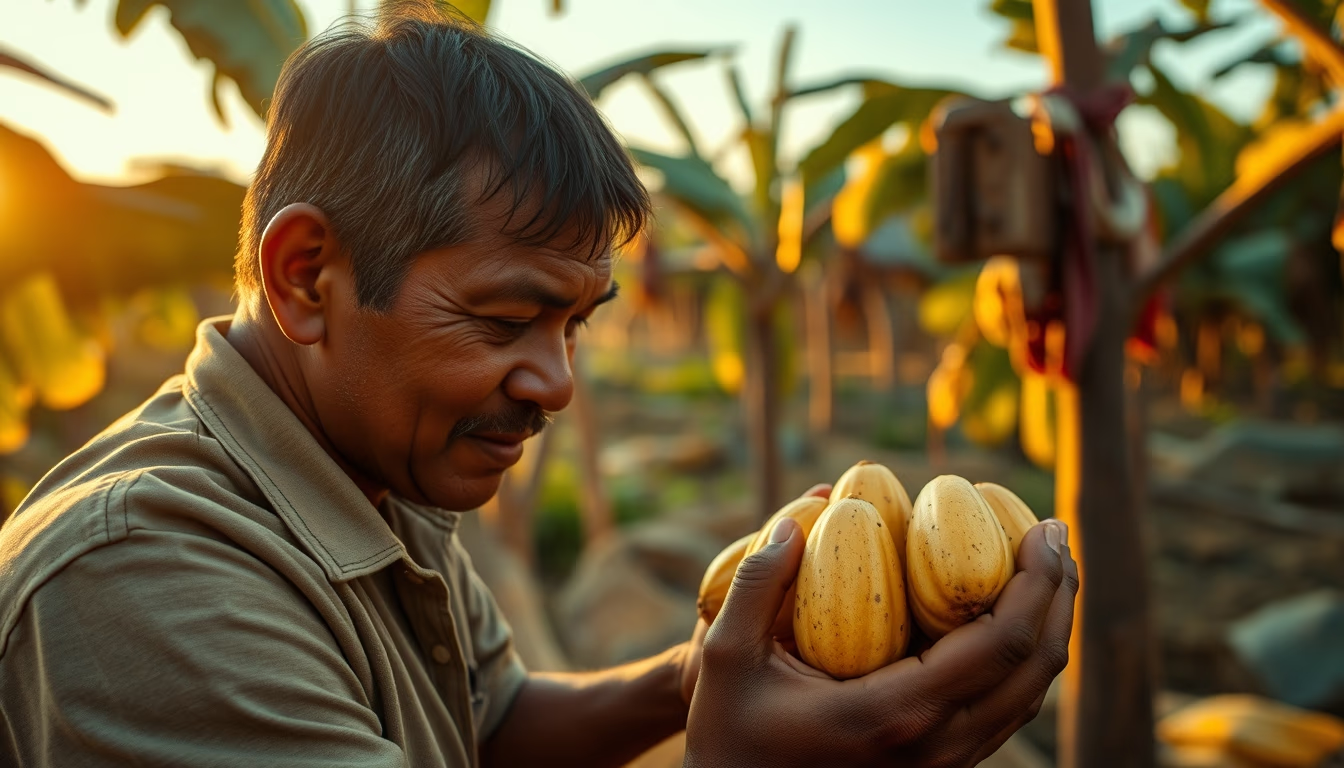
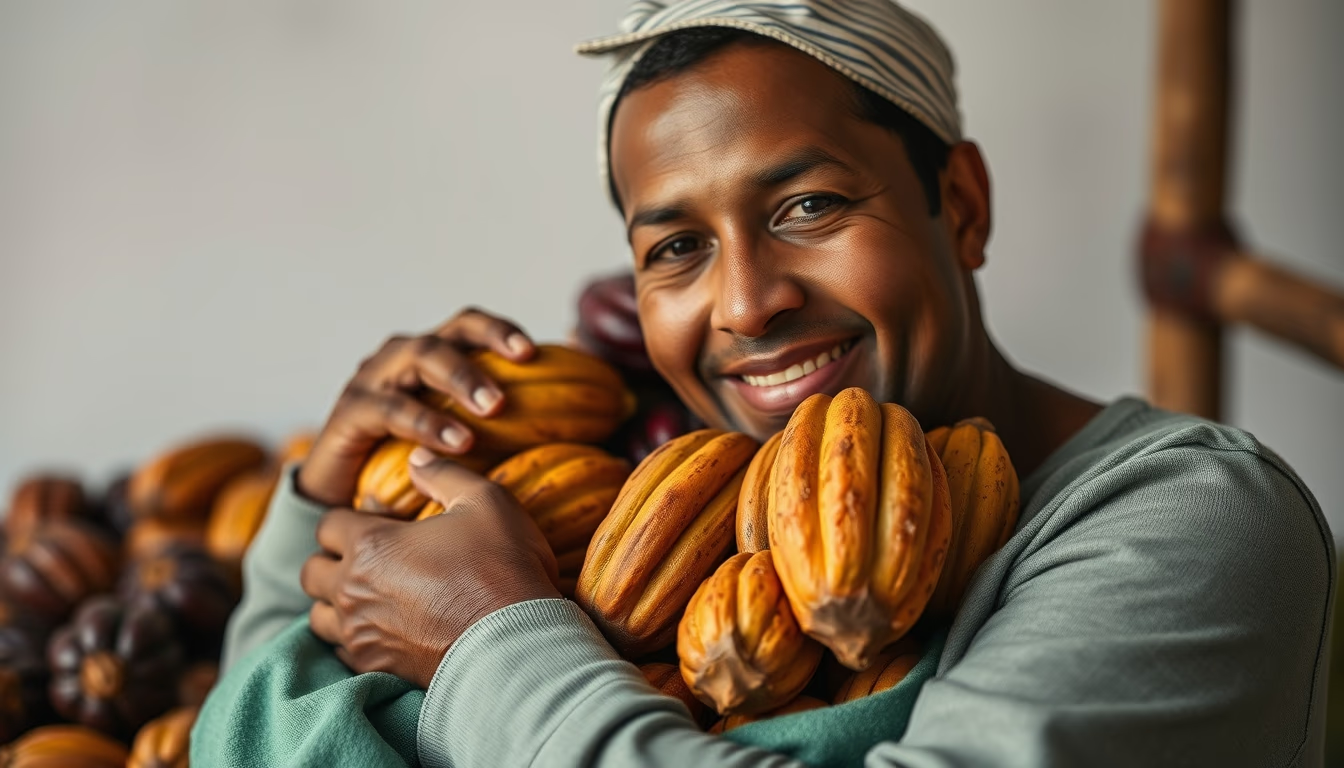
Freshly harvested cacao pods on a plantation, highlighting the essential raw material for artisanal and industrial chocolate production.
About this subject
Cacao pods (Theobroma cacao) are the fruit of a tree native to the tropical forests of South America, especially the Amazon Basin. Each pod, weighing between 200 and 500 grams, contains 30 to 50 seeds surrounded by a white, sweet pulp. Harvesting is done manually with machetes, cutting the stem without damaging the trunk, as flowers and fruits grow directly on the bark. This process requires skill to select only ripe pods, which change from green to shades of yellow, orange, or red depending on the variety.
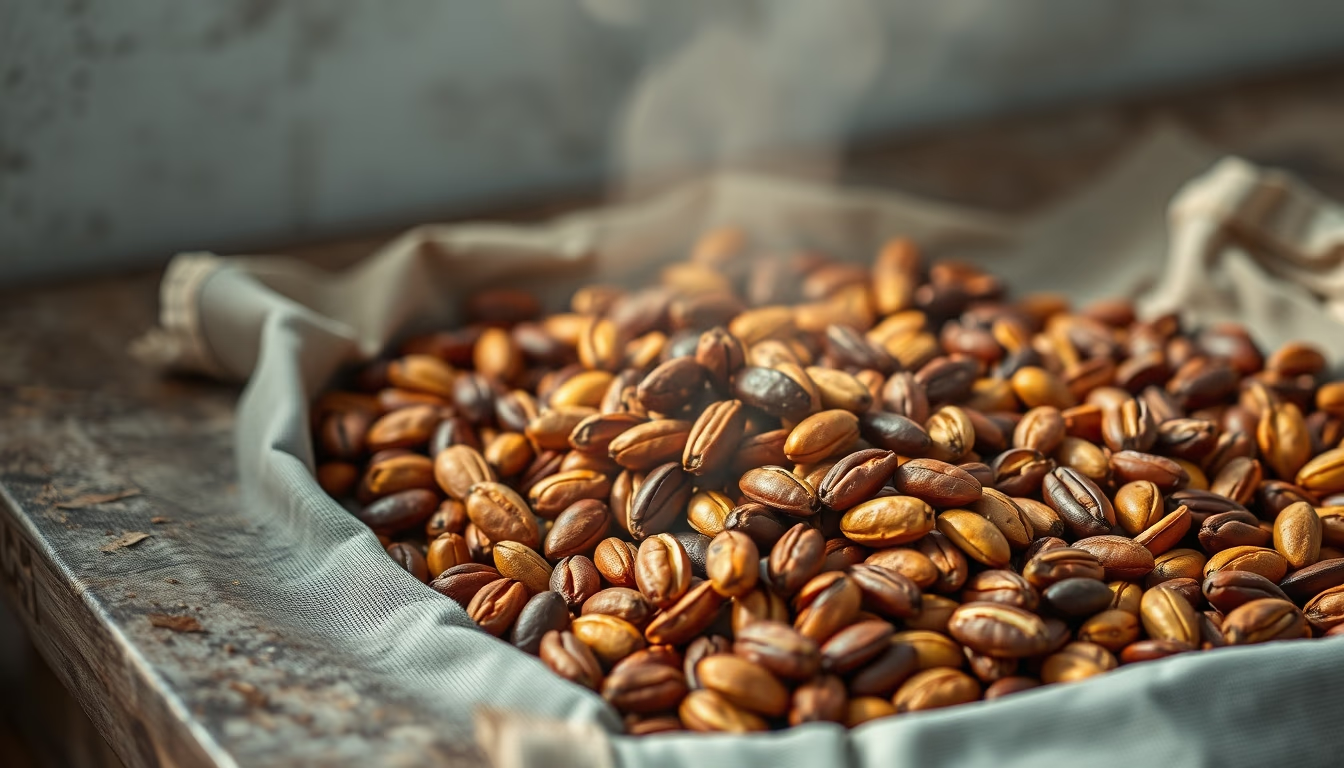
After harvesting, pods are opened and seeds extracted for fermentation, a crucial step that develops chocolate flavor precursors. Fermentation lasts 5 to 7 days, followed by sun drying for one to two weeks. Brazil is one of the world's largest producers, notably from the southern region of Bahia, responsible for about 50% of national production. Cacao is also cultivated in Pará, Rondônia, and Espírito Santo, with varieties such as Forastero and Trinitario.
Cacao quality depends on genetics, soil, climate, and management practices. Well-managed trees produce 500 to 800 kilograms of dried beans per hectare. Growing demand for bean-to-bar and artisanal chocolate values traceable origin beans, encouraging selective harvesting and refined post-harvest techniques. The main harvest occurs between May and September, with secondary harvests throughout the year in low-seasonality regions.
Frequently Asked Questions
How many seeds are in a cacao pod?
Each pod contains 30 to 50 seeds, surrounded by a white, sweet pulp that is eaten fresh or fermented to produce chocolate.
What is the best harvest season for cacao in Brazil?
The main harvest runs from May to September, but in regions with stable climates, secondary harvests occur throughout the year. Ripeness varies by variety and local conditions.
Why is cacao fermentation important?
Fermentation removes the sweet pulp and triggers chemical reactions that form chocolate flavor precursors, such as aroma compounds and reduced bitterness. Without it, chocolate would taste bland and astringent.
Direct URL
https://pub-c7d6a6ea828543ac903a74a341ccb2e1.r2.dev/imagens/cacao-pods-harvested-cinematic-wide-shot-fresh17.avifHow to credit
Include a visible link back to UtilizAí. Copy one of the snippets below:
<a href="https://xn--utiliza-eza.com/en/midia/imagens/cacao-pods-harvested-cinematic-wide-shot-fresh17">Cacao pods harvested</a> by <a href="https://xn--utiliza-eza.com">UtilizAí</a>, licensed under <a href="https://creativecommons.org/licenses/by/4.0/">CC BY 4.0</a>.
[Cacao pods harvested](https://xn--utiliza-eza.com/en/midia/imagens/cacao-pods-harvested-cinematic-wide-shot-fresh17) by [UtilizAí](https://xn--utiliza-eza.com), CC BY 4.0
License: CC-BY-4.0