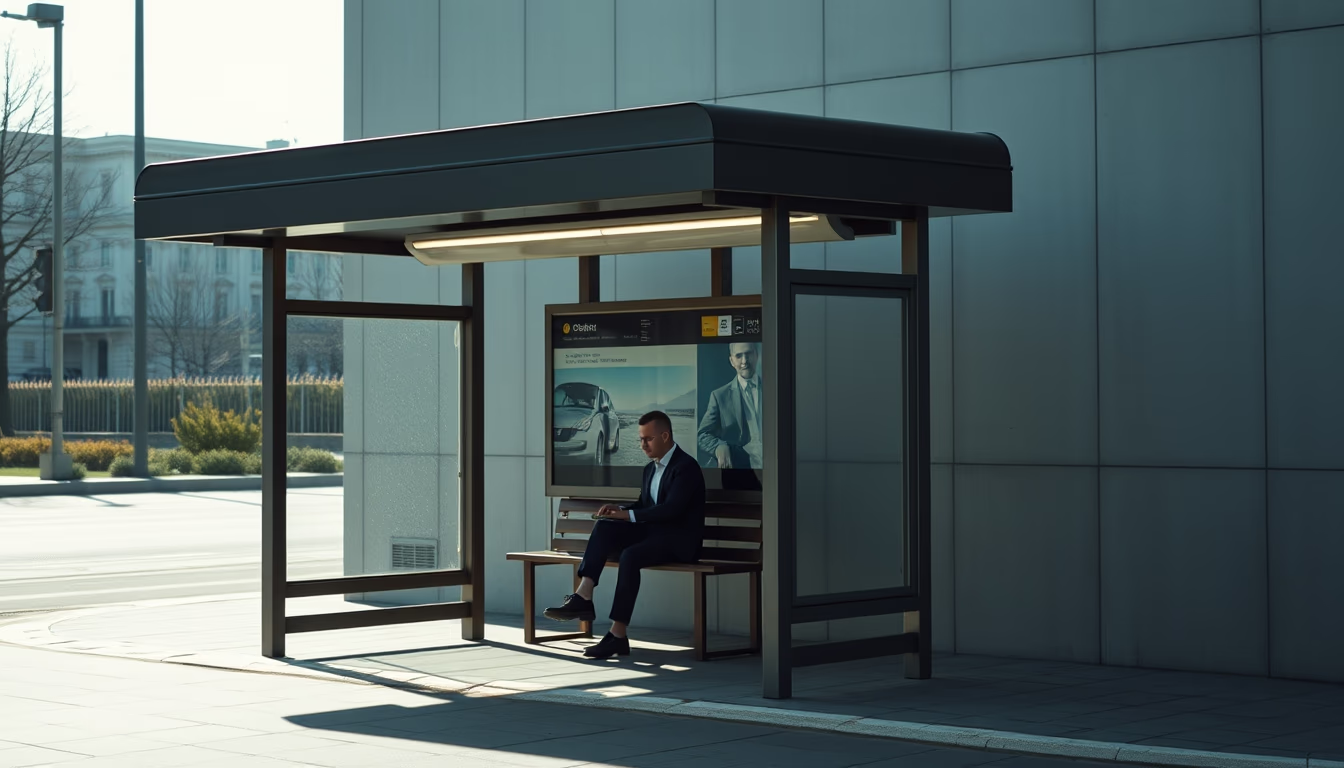
Bus stop minimalist
1344×768 · AVIF · CC BY 4.0

Minimalist bus stop: functional design merging aesthetics and efficiency in global urban transport.
About this subject
The minimalist bus stop represents a growing trend in urban design, prioritizing simplicity and functionality. Inspired by the minimalist movement, these stops remove unnecessary elements, focusing on clean lines, materials like steel and glass, and integration with the surroundings. Cities such as Curitiba, with its tube stations, and London, with sleek shelters, already adopt minimalist principles to enhance user experience and reduce visual clutter.
The importance of minimalism in bus stops goes beyond aesthetics. Simplified structures are easier to clean, maintain, and repair, leading to lower long-term costs. Moreover, minimalist design often incorporates sustainable features, like green roofs or solar panels, aligning with smart city goals. The absence of ornaments also improves accessibility, with clear signage and ample space for wheelchairs and strollers.
For 2026, the minimalist trend gains momentum with technological integration. Stops may feature digital displays with real-time information, USB charging, and motion sensors, all embedded in sleek frameworks. Global examples include Copenhagen's modular shelters and Seoul's interactive stops. This evolution shows that less can be more, combining beauty, utility, and sustainability in public transport.
Frequently Asked Questions
What characterizes a minimalist bus stop?
A minimalist bus stop is defined by simple lines, materials like steel and glass, lack of ornamentation, and focus on functionality. Common examples include shelters with metal frames and flat roofs, with integrated seating.
What are the benefits of minimalist design in bus stops?
Benefits include lower maintenance costs, increased durability, better accessibility, and reduced visual pollution. It also facilitates cleaning and allows integration with sustainable technologies such as solar panels.
How does minimalism relate to 2026 trends?
For 2026, minimalism aligns with smart city and sustainability trends. Minimalist stops are being designed to include USB charging, sensors, and digital displays while maintaining a sleek, efficient aesthetic.
Direct URL
https://pub-c7d6a6ea828543ac903a74a341ccb2e1.r2.dev/imagens/bus-stop-minimalist-macro-closeup-p4.avifHow to credit
Include a visible link back to UtilizAí. Copy one of the snippets below:
<a href="https://xn--utiliza-eza.com/en/midia/imagens/bus-stop-minimalist-macro-closeup-p4">Bus stop minimalist</a> by <a href="https://xn--utiliza-eza.com">UtilizAí</a>, licensed under <a href="https://creativecommons.org/licenses/by/4.0/">CC BY 4.0</a>.
[Bus stop minimalist](https://xn--utiliza-eza.com/en/midia/imagens/bus-stop-minimalist-macro-closeup-p4) by [UtilizAí](https://xn--utiliza-eza.com), CC BY 4.0
License: CC-BY-4.0