Broadway theater empty seats
1344×768 · AVIF · CC BY 4.0
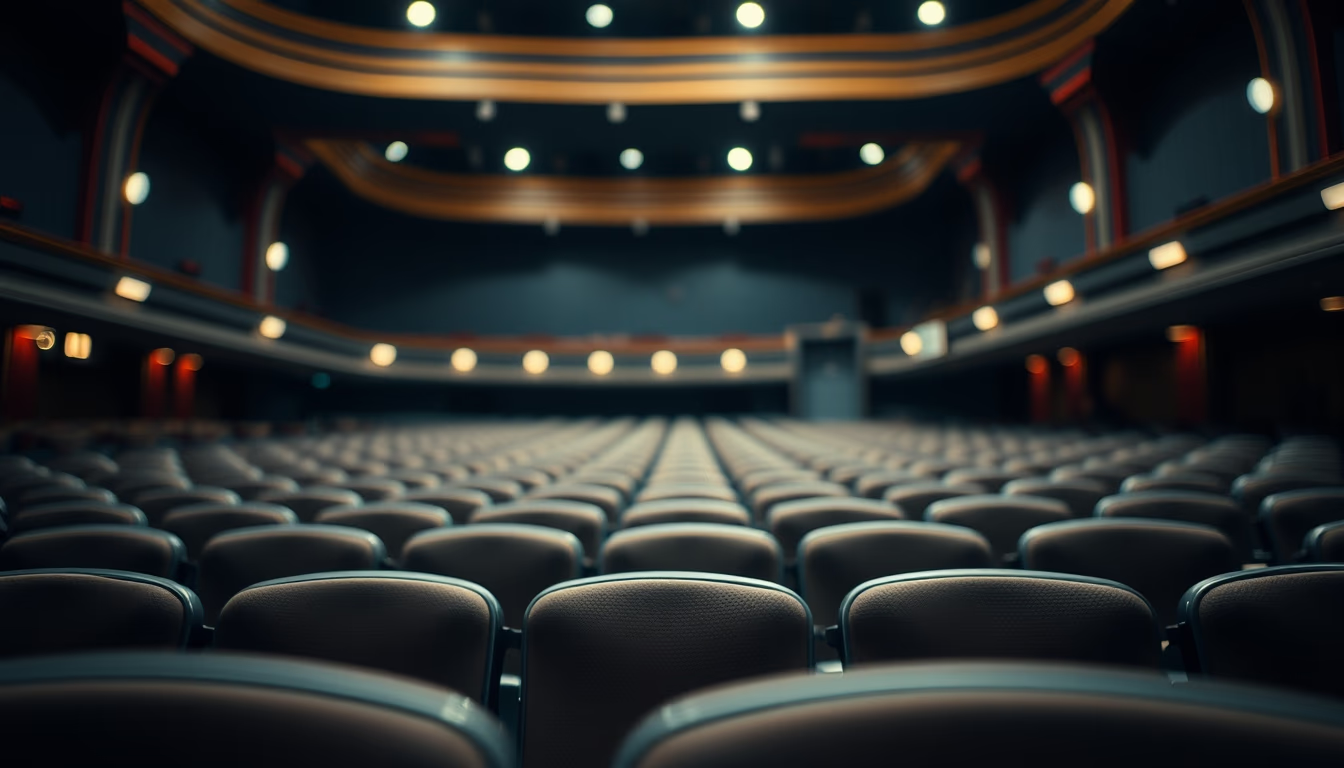
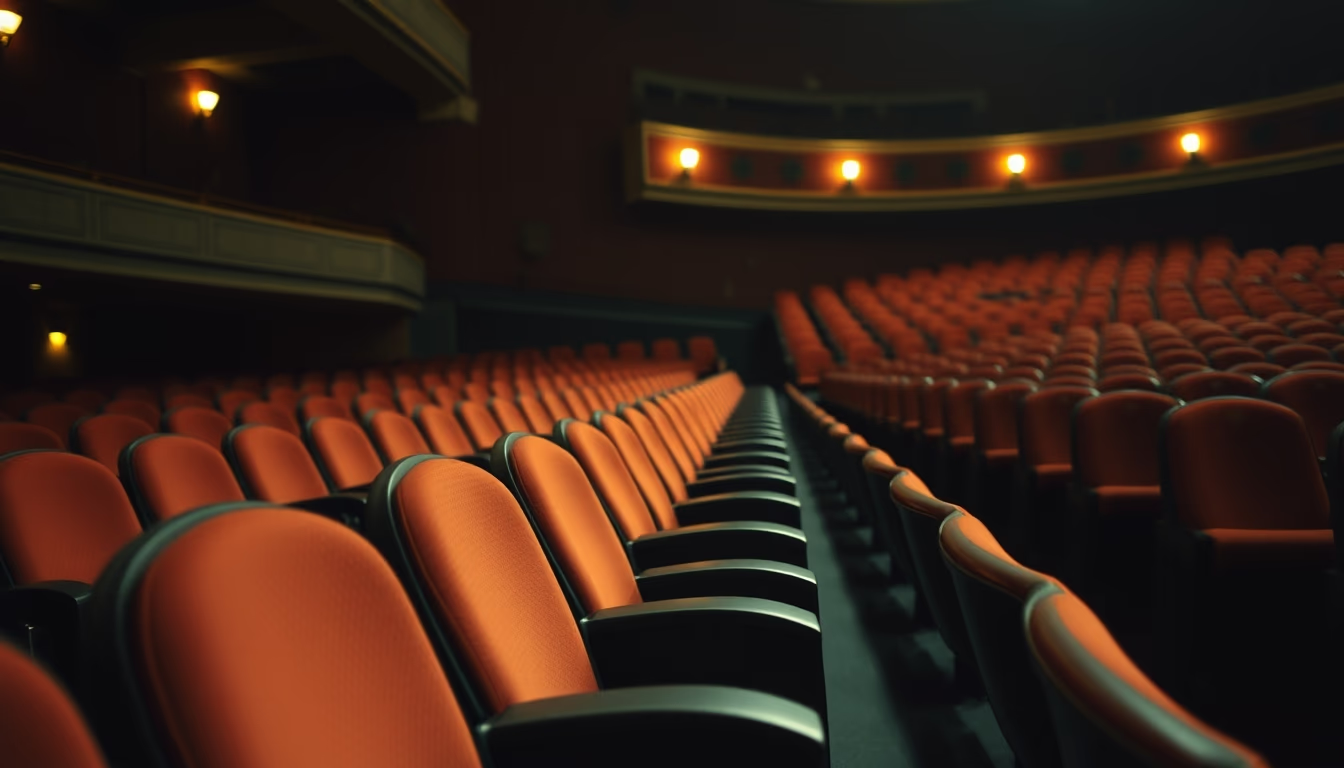
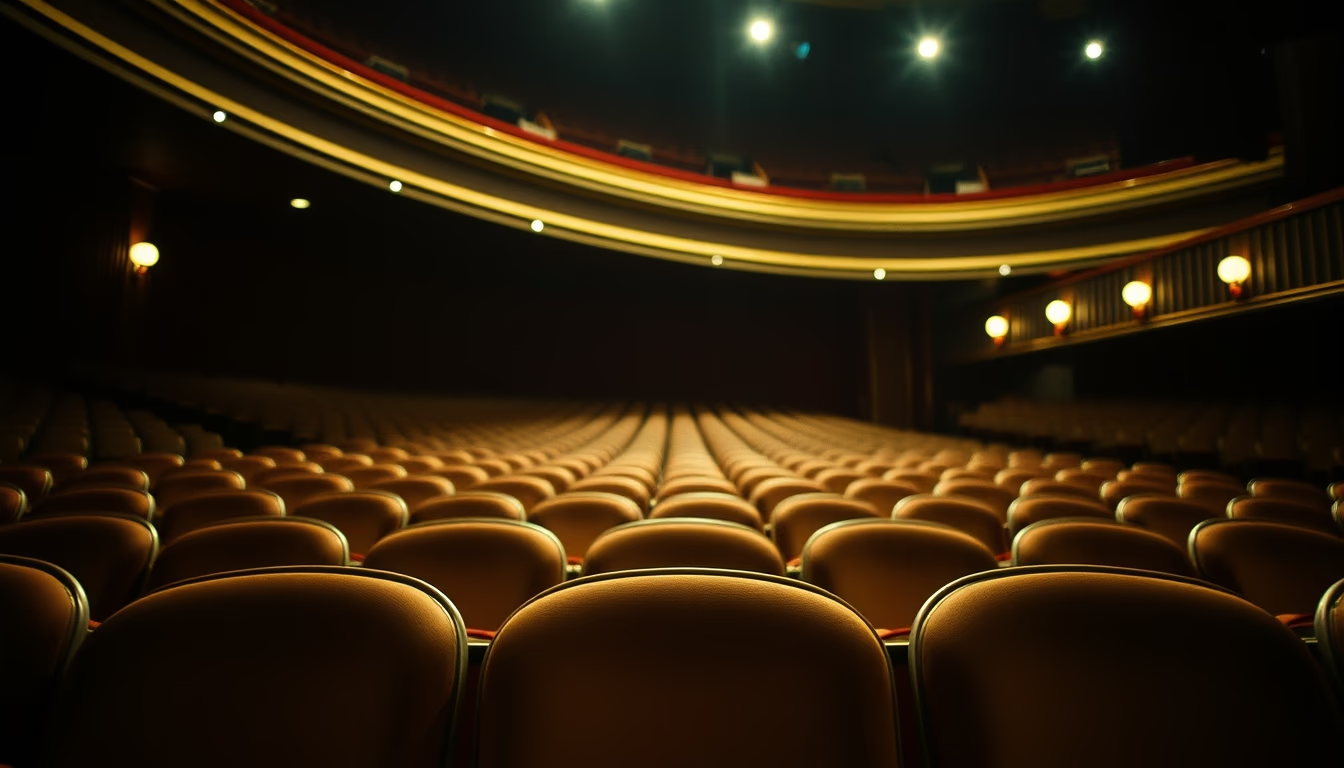
Empty seats in a Broadway theater reveal architectural details and the unique atmosphere of New York stages.
About this subject
Broadway theaters, located in the heart of Manhattan, are known for their rich history and iconic design. Each theater has its own personality, reflected in stage size, seating arrangement, and decoration. Most Broadway theaters were built between the late 19th and early 20th centuries, many designed to host grand plays and musicals. Capacity varies widely: the Gershwin Theatre seats 1,933, while the Helen Hayes Theatre holds only 597.
Empty seats, seen during rehearsals or before the audience arrives, reveal the complexity of seat arrangement. Theaters typically have orchestra, mezzanine, and upper balconies, each offering specific viewing angles. This seating hierarchy influences ticket pricing and audience experience. Tilt-shift photography, which creates a miniature effect, can highlight the symmetry and scale of these spaces.
Broadway is not just a tourist destination but an economic and cultural engine. In 2019, the Broadway season attracted over 14.8 million attendees and generated more than $1.8 billion in box office revenue. Even with empty seats, the theater breathes history: each seat has witnessed legendary performances, from "The Phantom of the Opera" to "Hamilton." Acoustics and sightlines are meticulously planned to ensure an immersive experience for all.
Interestingly, empty seats also tell a story of adaptability. Many theaters allow producers to adjust capacity by selling balcony seats or creating "premium seats" with better views. During the pandemic, Broadway went dark, and empty seats symbolized cultural shutdown. Today, theaters operate at full capacity, but a careful look at empty seats reveals the engineering and artistry behind every show.
Frequently Asked Questions
What is the average capacity of Broadway theaters?
The average capacity is around 1,000 to 1,500 seats. Larger theaters like the Gershwin Theatre have nearly 2,000 seats, while smaller ones like the Helen Hayes Theatre have fewer than 600.
Why do Broadway theaters have balconies?
Balconies were designed to maximize capacity and offer different viewing angles. They also allow more people to watch performances at lower price points.
How does tilt-shift affect the perception of the seats?
Tilt-shift creates a miniature effect, making real objects appear small and toy-like. This can highlight the symmetry and arrangement of the seats, giving a playful perspective.
Direct URL
https://pub-c7d6a6ea828543ac903a74a341ccb2e1.r2.dev/imagens/broadway-theater-empty-seats-tilt-shift-miniature-fresh2.avifHow to credit
Include a visible link back to UtilizAí. Copy one of the snippets below:
<a href="https://xn--utiliza-eza.com/en/midia/imagens/broadway-theater-empty-seats-tilt-shift-miniature-fresh2">Broadway theater empty seats</a> by <a href="https://xn--utiliza-eza.com">UtilizAí</a>, licensed under <a href="https://creativecommons.org/licenses/by/4.0/">CC BY 4.0</a>.
[Broadway theater empty seats](https://xn--utiliza-eza.com/en/midia/imagens/broadway-theater-empty-seats-tilt-shift-miniature-fresh2) by [UtilizAí](https://xn--utiliza-eza.com), CC BY 4.0
License: CC-BY-4.0