British afternoon tea
1344×768 · AVIF · CC BY 4.0
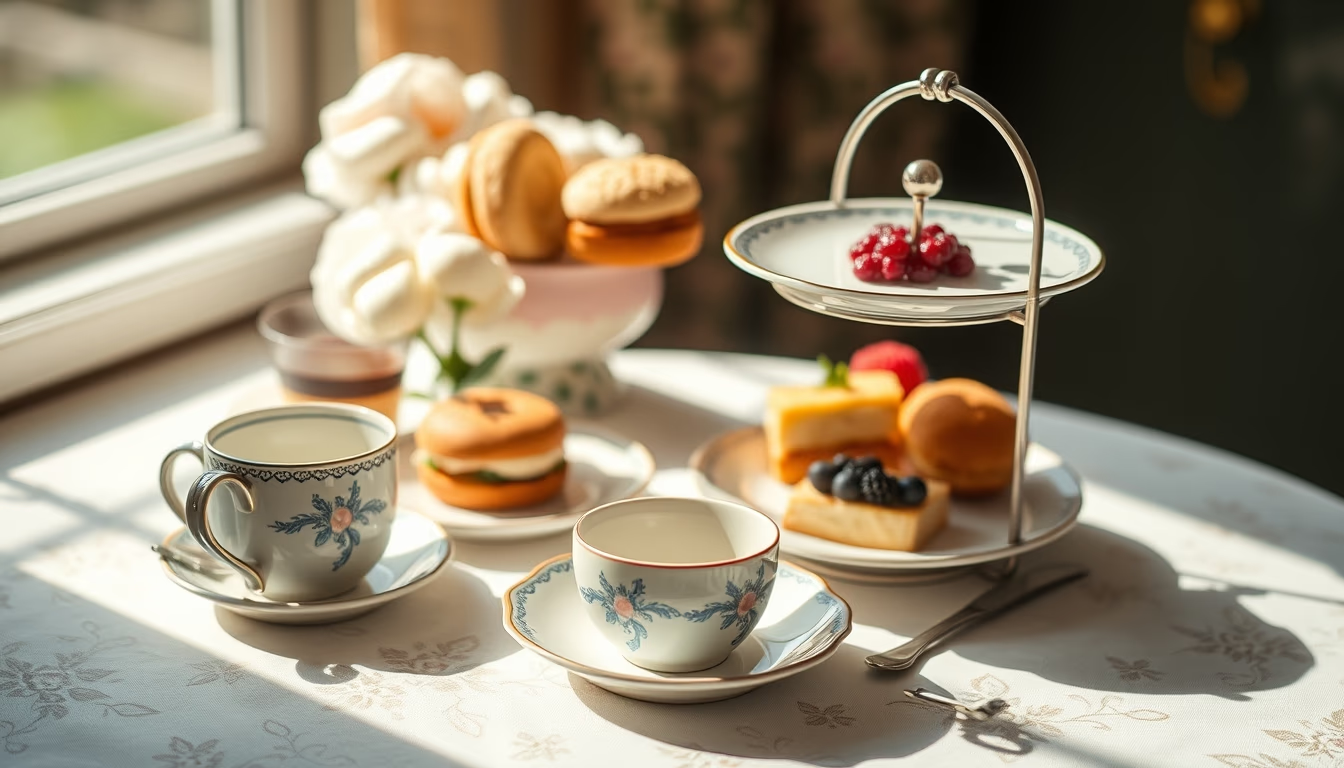
British afternoon tea is a 19th-century tradition that blends elegance and distinct flavors into a memorable cultural experience.
About this subject
British afternoon tea, commonly known as afternoon tea, originated in the 1840s thanks to Anna Maria Russell, the Duchess of Bedford. Tired of the long gap between lunch and dinner, she began serving tea and snacks in her chambers, inviting friends to join. The habit quickly spread among Victorian aristocracy and later to all social classes, becoming an icon of British culture.
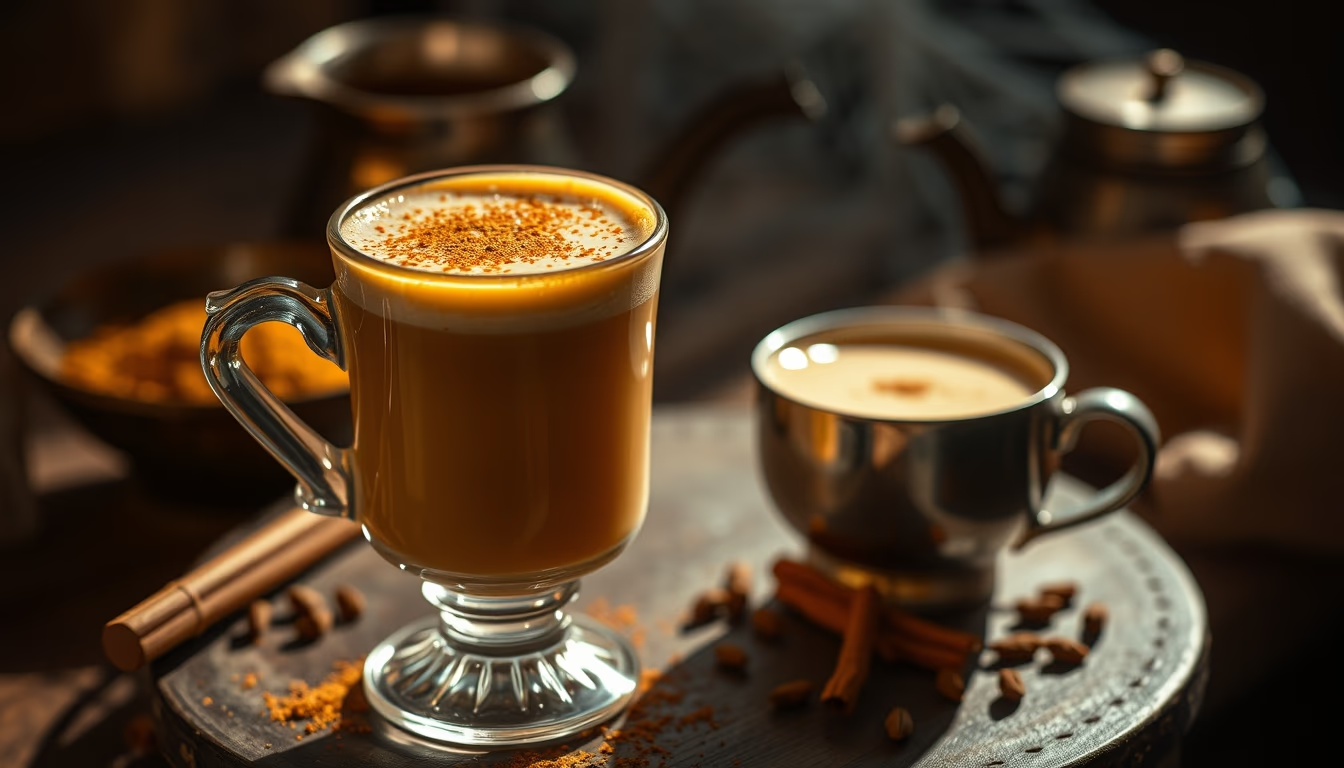
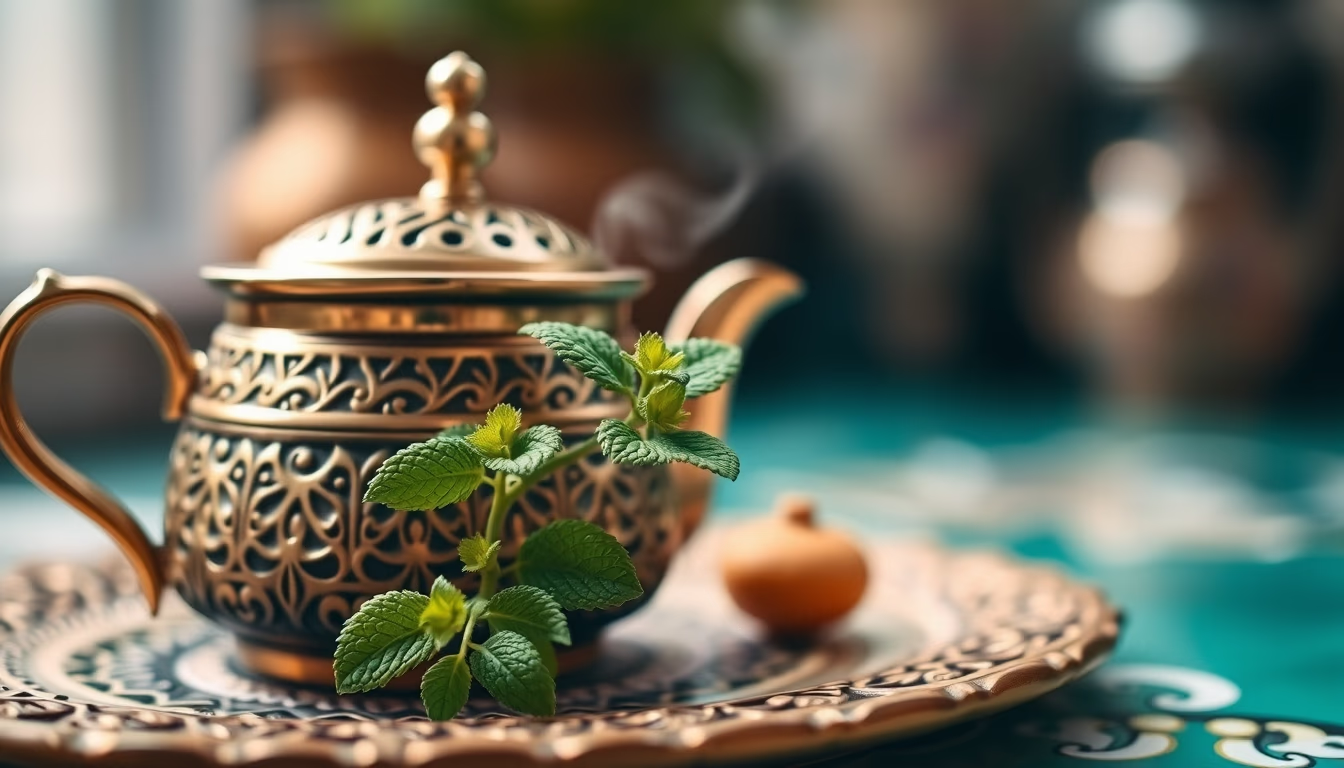
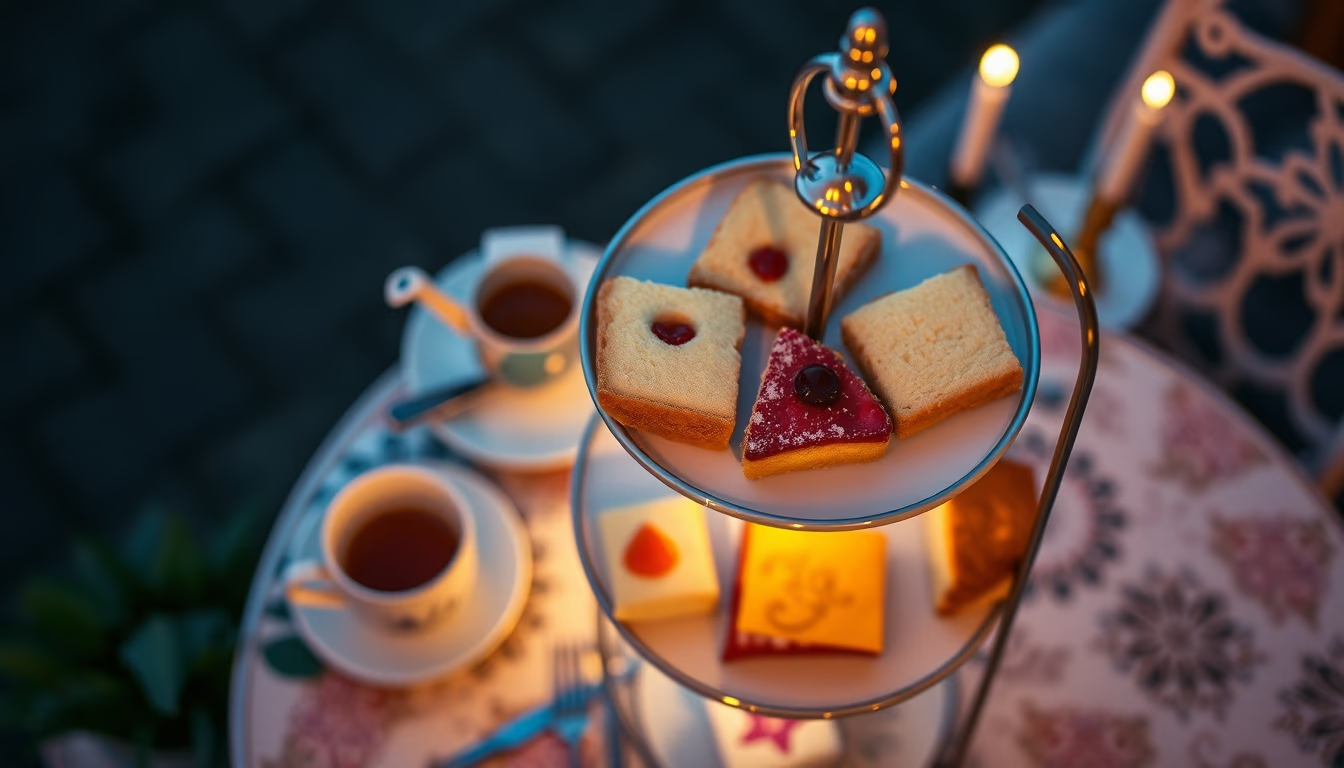
Traditionally, afternoon tea is served between 3 p.m. and 5 p.m. and includes three tiers: finger sandwiches with classic fillings (cucumber, egg, smoked salmon, and ham), scones with clotted cream and strawberry jam, and a variety of cakes and pastries such as the Victoria sponge cake. The most common tea is black tea like Earl Grey, Darjeeling, or Assam, served in a porcelain teapot and drunk with milk or lemon, never both.
Specific etiquette rules include holding the cup with the thumb and index finger on the handle, without sticking out the little finger, and stirring the tea gently from top to bottom without clinking the side. The use of napkins, cutlery, and the order of food consumption also follow a protocol. Today, afternoon tea is offered at luxury hotels like The Ritz and Claridge's, traditional tea rooms, and even modern versions with varied themes, such as vegan or champagne afternoon tea.
Beyond its social relevance, British afternoon tea has influenced practices in other countries, like the cinco horas tea in Portugal and high tea in Australia. UNESCO recognized British tea culture as Intangible Cultural Heritage in 2024, highlighting its role in national identity. Whether in London or small countryside towns, the afternoon tea experience continues to delight tourists and locals alike.
Frequently Asked Questions
What is the origin of British afternoon tea?
Afternoon tea was introduced by Anna Maria Russell, Duchess of Bedford, around 1840. She felt hungry between lunch and dinner and began serving tea with bread, butter, and cakes, inviting friends to share.
What are typical items served in an afternoon tea?
The classic menu includes finger sandwiches (cucumber, egg, smoked salmon, ham), scones with clotted cream and jam, and sweets like Victoria sponge cake, macarons, and lemon tarts.
What is the difference between afternoon tea and high tea?
Afternoon tea is a light meal served between 3 p.m. and 5 p.m., with tea and snacks. High tea is a more substantial meal, usually early in the evening, including hot dishes like meat, potatoes, and bread.
Direct URL
https://pub-c7d6a6ea828543ac903a74a341ccb2e1.r2.dev/imagens/british-afternoon-tea-magazine-editorial-fresh1.avifHow to credit
Include a visible link back to UtilizAí. Copy one of the snippets below:
<a href="https://xn--utiliza-eza.com/en/midia/imagens/british-afternoon-tea-magazine-editorial-fresh1">British afternoon tea</a> by <a href="https://xn--utiliza-eza.com">UtilizAí</a>, licensed under <a href="https://creativecommons.org/licenses/by/4.0/">CC BY 4.0</a>.
[British afternoon tea](https://xn--utiliza-eza.com/en/midia/imagens/british-afternoon-tea-magazine-editorial-fresh1) by [UtilizAí](https://xn--utiliza-eza.com), CC BY 4.0
License: CC-BY-4.0