Breakroom kitchen modern
1344×768 · AVIF · CC BY 4.0
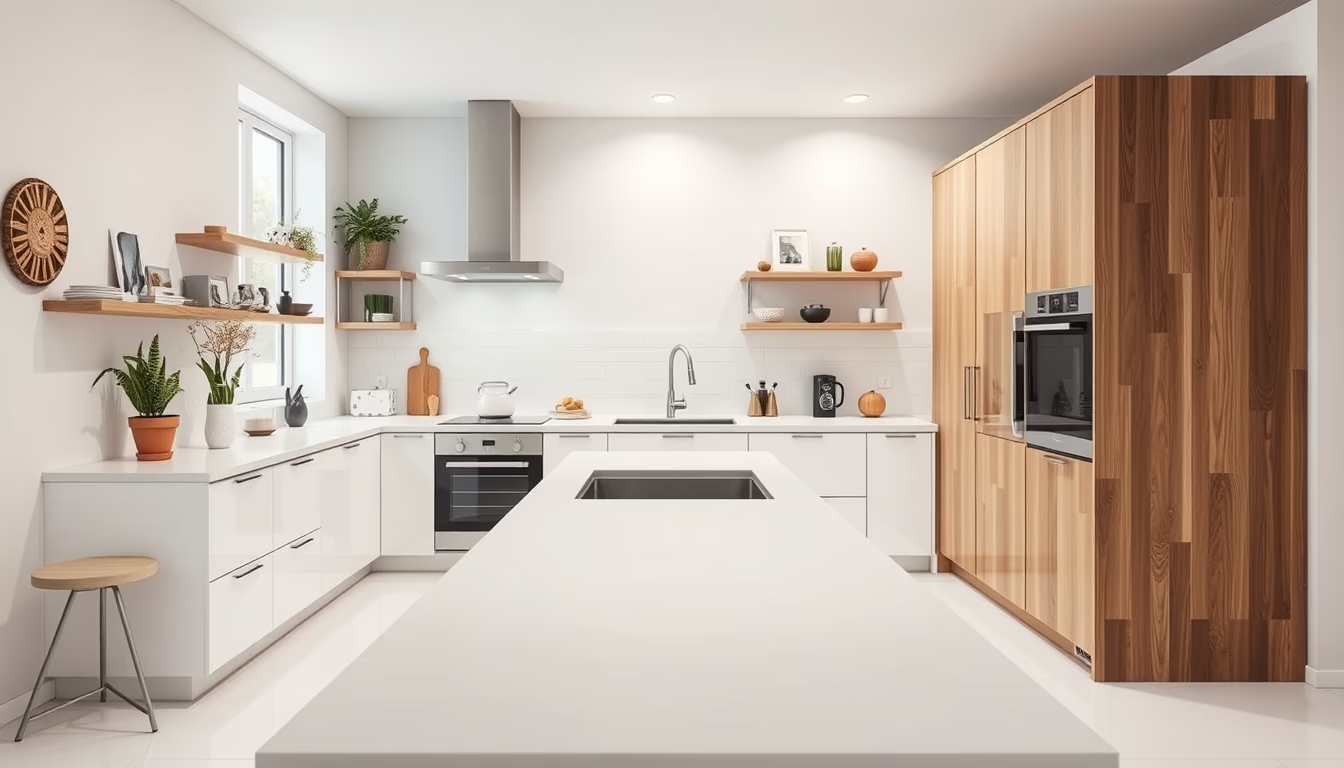
Modern office breakroom kitchens blend functional design with integrated technology to optimize breaks and productivity.
About this subject
The modern breakroom kitchen has become a central element in corporate environments, reflecting the evolution of the workplace concept. Unlike old pantries, these spaces are designed to promote social interaction, relaxation, and quick meals, with a focus on ergonomics and aesthetics. Materials such as quartz countertops, high-pressure laminate cabinets, and stainless steel built-in appliances are common, prioritizing easy cleaning and durability.
Trends for 2026 point to the integration of smart technology, such as sensor faucets, Wi-Fi-enabled refrigerators, and automated coffee systems. LED lighting with adjustable color temperature allows creating different atmospheres: cooler for high-energy hours, warmer for relaxation. In addition, open layouts with central islands and high stools favor informal conversations, essential for employee well-being.
Studies show that well-designed break areas increase employee satisfaction and retention. Modular furniture and natural plants are also incorporated to humanize the space, following biophilic design principles. Food safety is ensured by non-porous surfaces and efficient ventilation systems. In large offices, these kitchens often have separate zones for preparation, consumption, and storage.
Interestingly, modern breakroom design often draws inspiration from high-end residential kitchens, but with adjustments for heavy traffic. Technology companies and startups lead this trend, using vibrant colors and industrial finishes. Customization with the company's visual identity is also common, creating a sense of belonging.
Frequently Asked Questions
What are the most used materials in modern breakroom kitchens?
Common materials include quartz or porcelain countertops, high-pressure laminate cabinets, and stainless steel appliances. These are chosen for durability and ease of cleaning, essential in high-traffic areas.
How is technology integrated into a modern breakroom?
Technology integration includes sensor faucets, Wi-Fi-enabled smart refrigerators, automated coffee systems, and LED lighting with adjustable color temperature. These solutions improve efficiency and user experience.
Why is biophilic design important in breakrooms?
Biophilic design incorporates natural elements like plants, natural light, and organic materials. It reduces stress, boosts creativity, and improves employee well-being, making breaks more rejuvenating.
Direct URL
https://pub-c7d6a6ea828543ac903a74a341ccb2e1.r2.dev/imagens/breakroom-kitchen-modern-commercial-product-photography-p5.avifHow to credit
Include a visible link back to UtilizAí. Copy one of the snippets below:
<a href="https://xn--utiliza-eza.com/en/midia/imagens/breakroom-kitchen-modern-commercial-product-photography-p5">Breakroom kitchen modern</a> by <a href="https://xn--utiliza-eza.com">UtilizAí</a>, licensed under <a href="https://creativecommons.org/licenses/by/4.0/">CC BY 4.0</a>.
[Breakroom kitchen modern](https://xn--utiliza-eza.com/en/midia/imagens/breakroom-kitchen-modern-commercial-product-photography-p5) by [UtilizAí](https://xn--utiliza-eza.com), CC BY 4.0
License: CC-BY-4.0