Breakdance cardboard urban
1344×768 · AVIF · CC BY 4.0
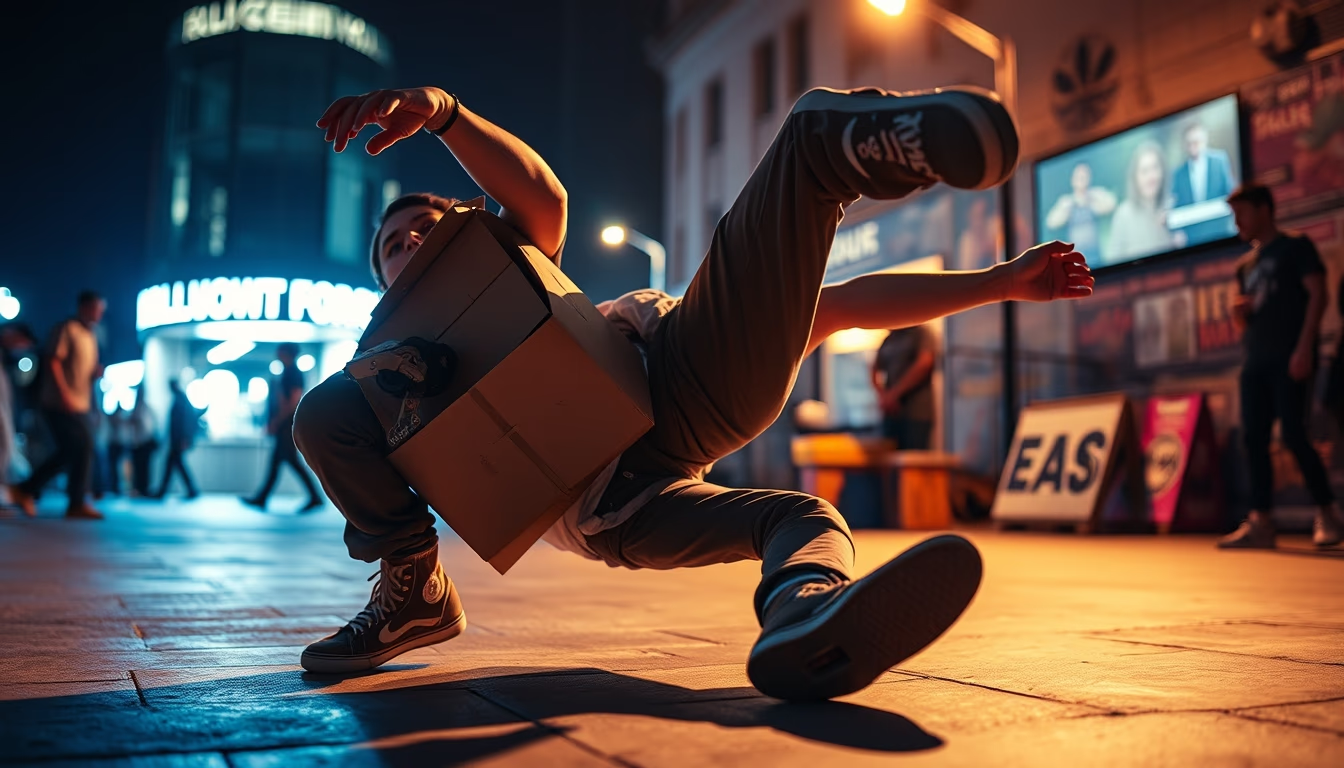
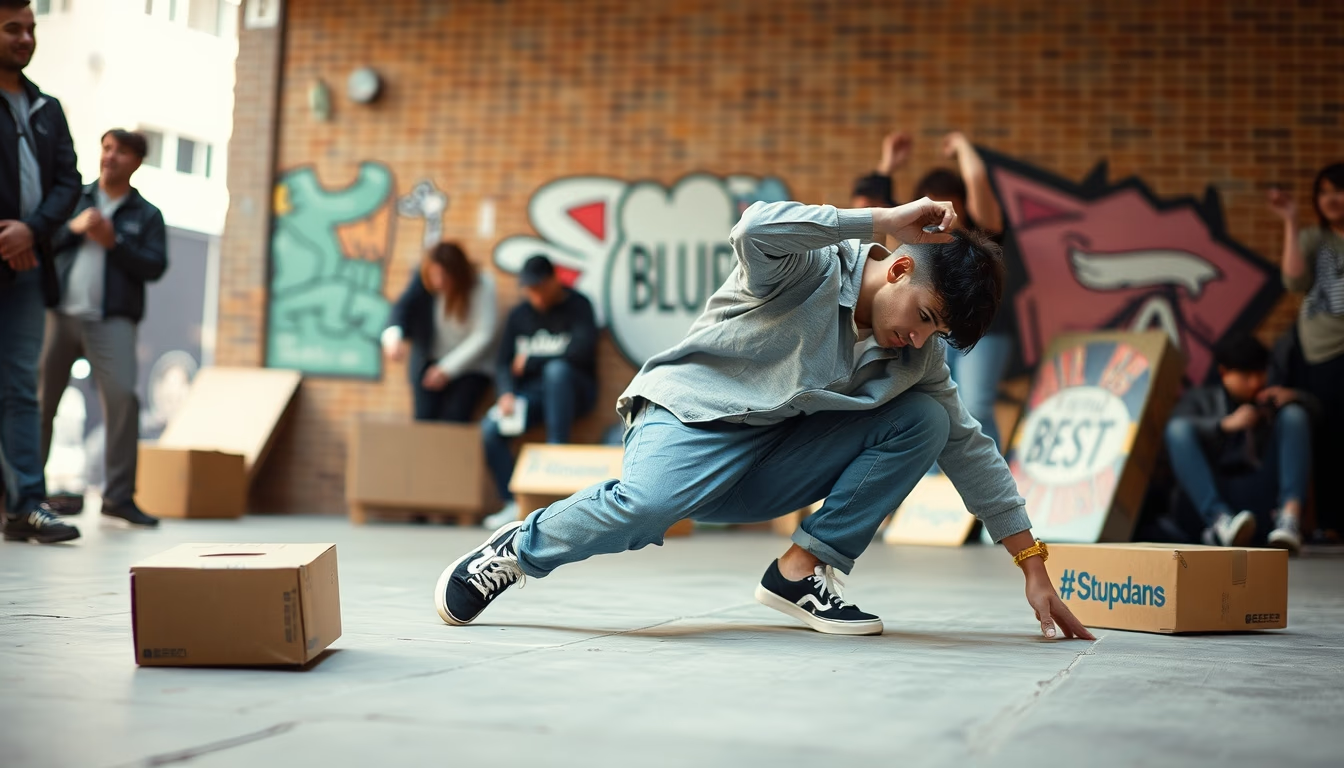
Breakdance, a street dance originating in the Bronx in the 1970s, combines acrobatic moves and personal style on urban surfaces like cardboard.
About this subject
Breakdance, also known as breaking, is a dynamic dance that emerged from hip-hop parties in the Bronx, New York, during the 1970s. Its creation is linked to DJs like Kool Herc, who extended instrumental breaks in songs, encouraging dancers to improvise moves. The dance quickly spread through urban communities, becoming one of the four pillars of hip-hop culture, alongside rap, DJing, and graffiti.
Breaking is structured around four main elements: toprock, steps performed while standing; downrock, floor moves using hands and feet; power moves, spins and acrobatics requiring strength and balance, such as headspins and flares; and freezes, frozen poses that mark the end of a sequence. The use of cardboard or linoleum on the floor is not just a tradition but a practical necessity. Urban surfaces like asphalt and concrete are abrasive and can cause injuries. Cardboard cushions impact and reduces friction, allowing smoother spins and protecting dancers.
Culturally, breakdance has always been a form of expression and resistance in marginalized communities. In the 1980s, films like "Flashdance" and "Beat Street" brought the dance to the world, popularizing it in countries such as Japan, France, and Brazil. In Brazil, breaking flourished at street parties and competitions, with notable groups like Back Spin Crew. The dance also gained academic and athletic recognition. In 2020, the International Olympic Committee approved breaking as an official sport for the Paris 2024 Olympic Games, marking its transition from urban subculture to elite sport.
Today, breakdance continues to evolve, with battles and world championships such as the Red Bull BC One attracting thousands of competitors. The practice preserves its roots in improvisation and mutual respect among dancers, who often form crews and exchange knowledge in training sessions. The cardboard surface, though simple, symbolizes the creativity and adaptability of breaking: turning everyday materials into tools for art and competition.
Frequently Asked Questions
What is breakdance and how did it originate?
Breakdance, or breaking, is a street dance created in the Bronx, New York, in the 1970s as part of hip-hop culture. It emerged from DJ parties where instrumental breaks were extended, inspiring dancers to improvise acrobatic and rhythmic moves.
Why do breakdancers often use cardboard on the floor?
Cardboard cushions impact and reduces friction on hard surfaces like asphalt and concrete, protecting dancers from injury and enabling smoother spins and moves. It is a traditional practice that facilitates power moves and freezes.
Is breakdance considered an Olympic sport?
Yes. Breaking was approved by the International Olympic Committee in 2020 and will debut at the Paris 2024 Olympic Games, with men's and women's competitions, marking its transition from street dance to elite sport.
Direct URL
https://pub-c7d6a6ea828543ac903a74a341ccb2e1.r2.dev/imagens/breakdance-cardboard-urban-fine-art-photography-fresh12.avifHow to credit
Include a visible link back to UtilizAí. Copy one of the snippets below:
<a href="https://xn--utiliza-eza.com/en/midia/imagens/breakdance-cardboard-urban-fine-art-photography-fresh12">Breakdance cardboard urban</a> by <a href="https://xn--utiliza-eza.com">UtilizAí</a>, licensed under <a href="https://creativecommons.org/licenses/by/4.0/">CC BY 4.0</a>.
[Breakdance cardboard urban](https://xn--utiliza-eza.com/en/midia/imagens/breakdance-cardboard-urban-fine-art-photography-fresh12) by [UtilizAí](https://xn--utiliza-eza.com), CC BY 4.0
License: CC-BY-4.0