Borscht russian beet
1344×768 · AVIF · CC BY 4.0
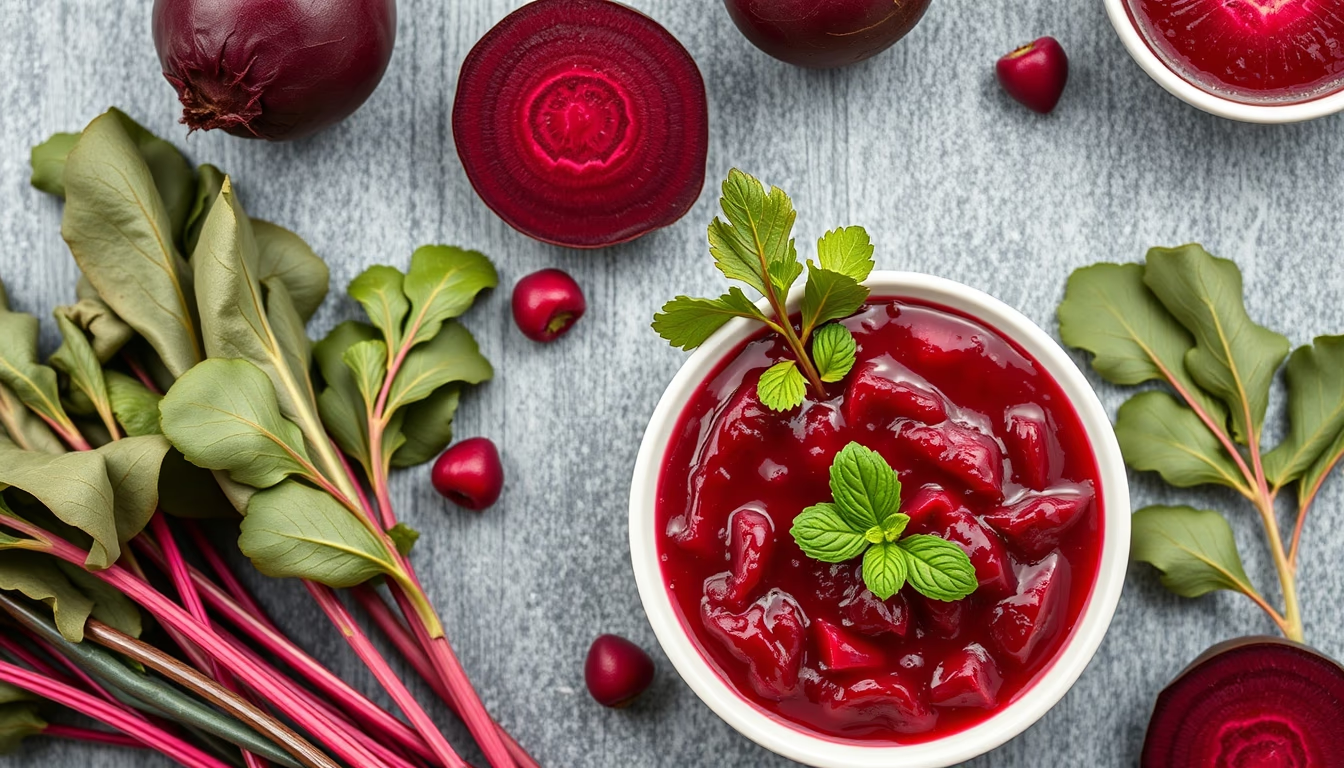
Borscht is a traditional Russian and Ukrainian beet soup, known for its vibrant color and sweet-sour flavor.
About this subject
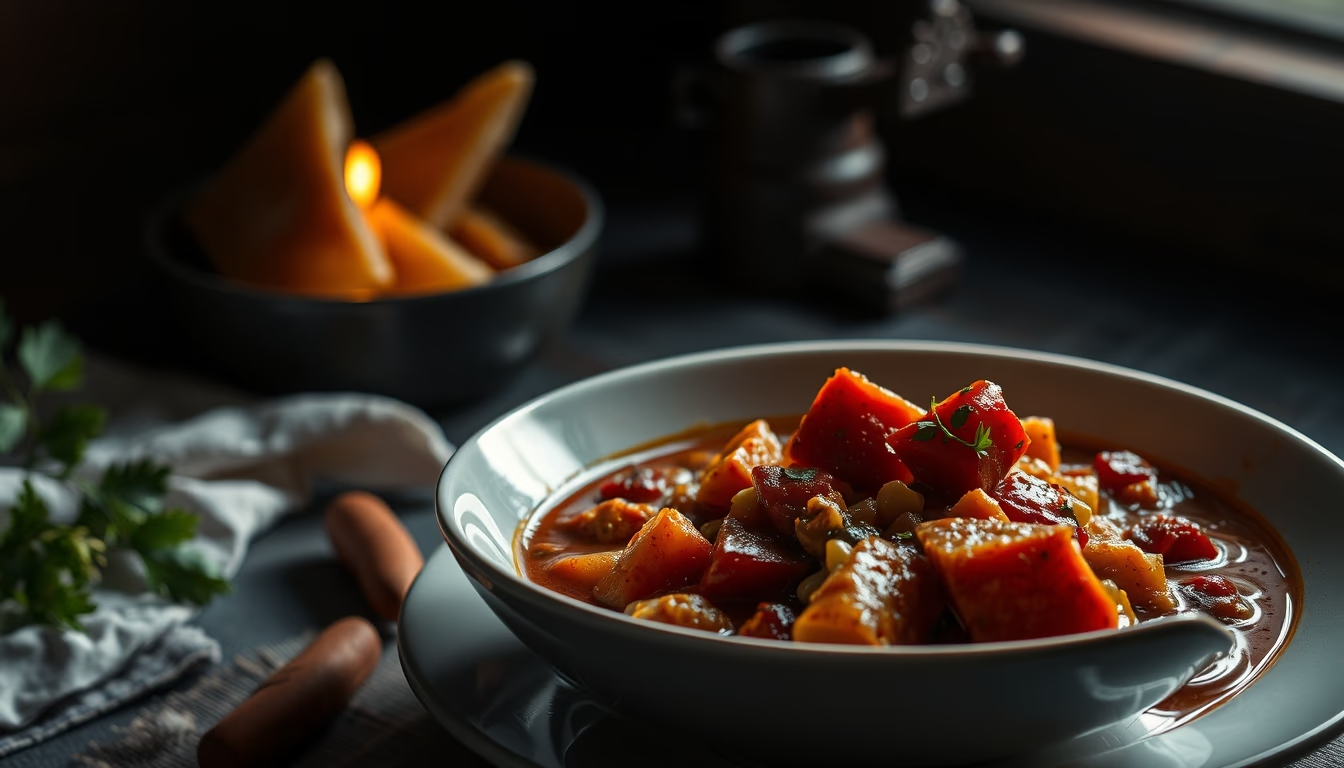
Borscht is a beet soup originating from Ukraine, widely consumed in Russia and other Eastern European countries. Its main ingredient is beetroot, which gives the characteristic red color, but it also includes cabbage, carrots, potatoes, onions, and in meat versions, bone or beef broth. Vegetarian and vegan versions are equally popular.
Culturally, borscht is a symbol of Slavic cuisine, eaten both hot in winter and cold in summer. In Ukraine, it is considered a national culinary heritage, with each region having its own recipe. Cold borscht, known as "kholodnyk", is served with sour cream and boiled eggs, making it refreshing for hot days.
Traditional preparation involves slow cooking of vegetables, with beets often fermented for acidity. It is commonly served with a dollop of smetana (sour cream) and fresh dill. It pairs with rye bread or sirniki (cheese pancakes). Nutritionally, beets are rich in antioxidants, fiber, and folic acid, making borscht a healthy and nutritious option.
Borscht's popularity has crossed borders, enjoyed in restaurants and home kitchens worldwide. Its versatility allows adaptations like green borscht (with sorrel and spinach) or Polish borscht (with barley). The soup has also inspired contemporary dishes, such as sauces and salads that use beets in innovative ways.
Frequently Asked Questions
What is the origin of borscht?
Borscht originated in Ukraine, dating back to medieval times. It spread to Russia and other Eastern European countries, where each region developed its own variations.
Can borscht be served cold?
Yes, cold borscht, known as kholodnyk, is popular in summer. It is typically made with cooked beets, fermented broth, sour cream, and chopped hard-boiled eggs, offering a refreshing meal.
What are the main variations of borscht?
Variations include red borscht (traditional with beets), green borscht (with sorrel and spinach), Polish borscht (with barley), and Siberian borscht (with venison or elk). Vegetarian and vegan versions are also common.
Direct URL
https://pub-c7d6a6ea828543ac903a74a341ccb2e1.r2.dev/imagens/borscht-russian-beet-isometric-flat-lay-fresh15.avifHow to credit
Include a visible link back to UtilizAí. Copy one of the snippets below:
<a href="https://xn--utiliza-eza.com/en/midia/imagens/borscht-russian-beet-isometric-flat-lay-fresh15">Borscht russian beet</a> by <a href="https://xn--utiliza-eza.com">UtilizAí</a>, licensed under <a href="https://creativecommons.org/licenses/by/4.0/">CC BY 4.0</a>.
[Borscht russian beet](https://xn--utiliza-eza.com/en/midia/imagens/borscht-russian-beet-isometric-flat-lay-fresh15) by [UtilizAí](https://xn--utiliza-eza.com), CC BY 4.0
License: CC-BY-4.0