Borscht russian beet
1344×768 · AVIF · CC BY 4.0
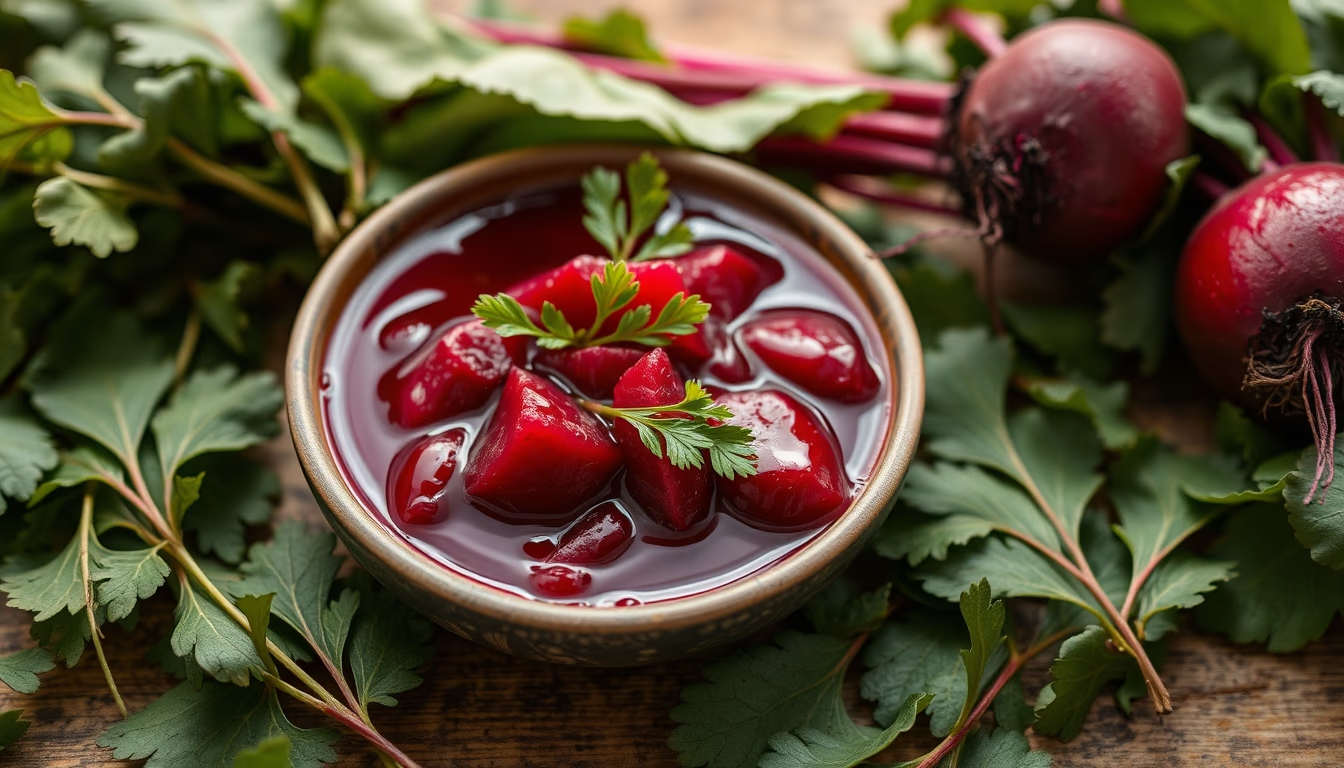
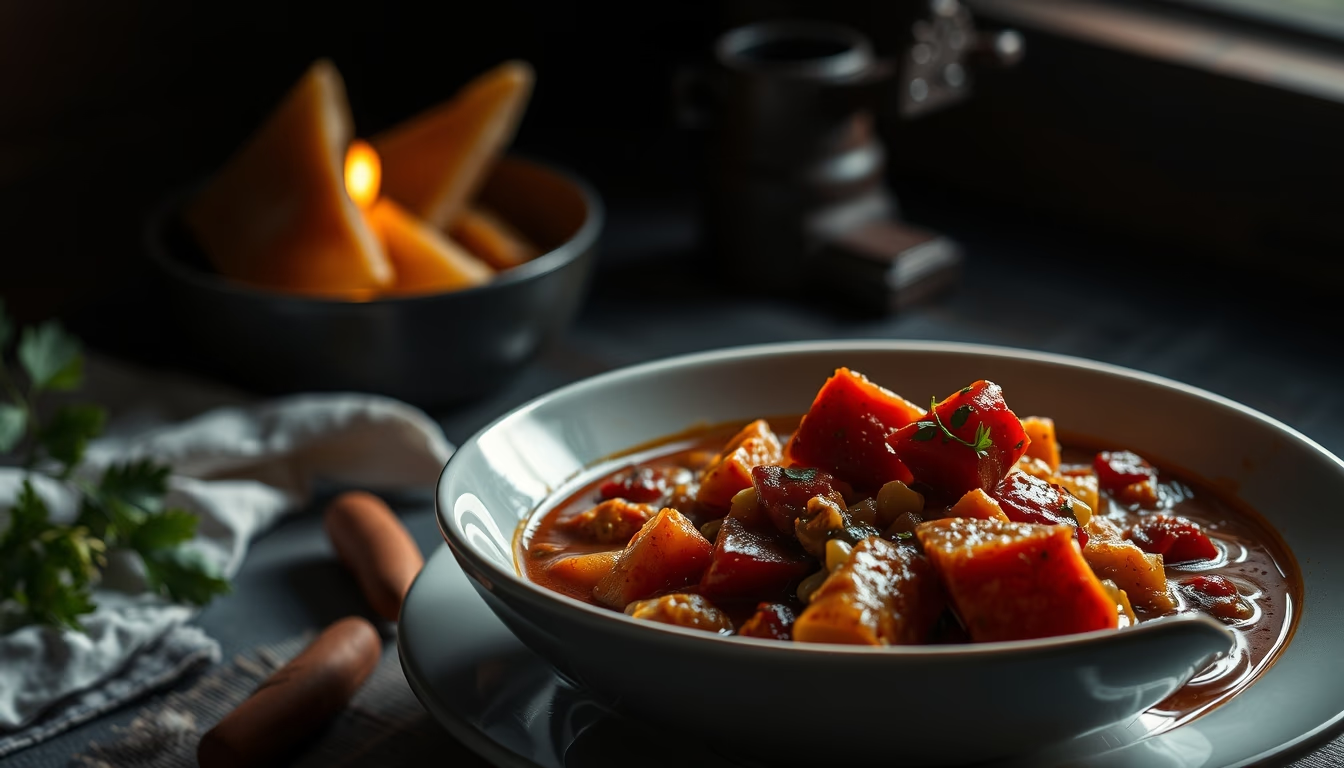
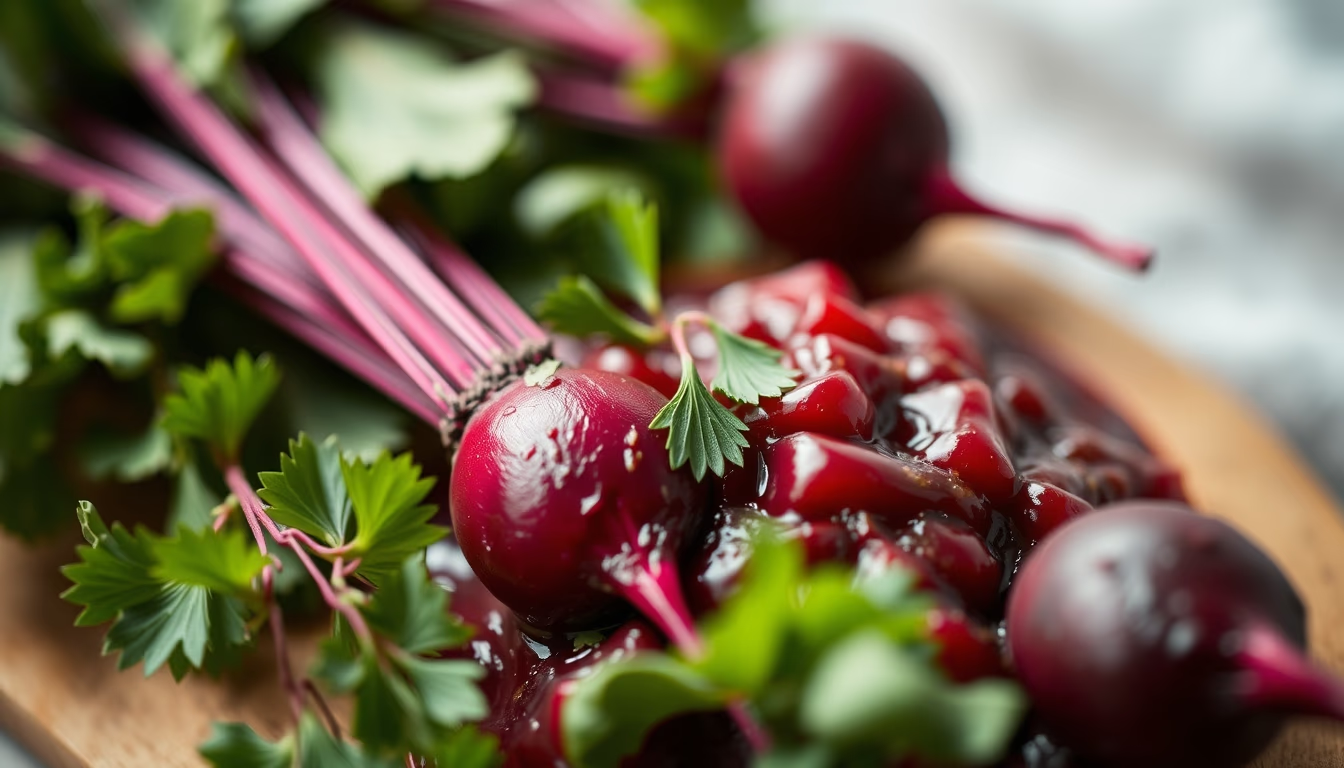
Borscht is a traditional Russian beet soup known for its vibrant color and sweet-sour flavor, enjoyed hot or cold across Eastern Europe.
About this subject
Borscht is a soup deeply rooted in Russian and Ukrainian cuisine, with its main ingredient being beetroot, which gives it the characteristic red or pink color. Though often associated with Russia, its origins are disputed among several Eastern European countries, including Ukraine, Poland, and Lithuania. The classic version includes beets, cabbage, potatoes, carrots, onions, and optionally meat (such as beef or chicken), simmered slowly to develop a rich broth. The sweet-sour flavor comes from balancing the natural sweetness of beets with acidity from ingredients like vinegar, lemon, or kefir.
Culturally, borscht is far more than a soup: it is a symbol of hospitality and family tradition. In Russia, it is commonly served with smetana (sour cream) and fresh dill, accompanied by black bread. There are significant regional variations: in Ukraine, borscht may include beans and be served with pampushky (garlic buns); in Poland, a version called barszcz is often eaten on Christmas Eve, meatless but with mushrooms. Cold borscht, known as kholodnik, is popular in summer, made with cooked beets, kefir, and fresh vegetables.
From a nutritional standpoint, borscht is rich in fiber, vitamins A and C, and antioxidants from beets, such as betaine, which supports liver health. Historically, the soup was a peasant dish that made use of available winter pantry ingredients, but over time it gained status as a culinary icon. In 2022, UNESCO recognized the culture of Ukrainian borscht cooking as an Intangible Cultural Heritage of Humanity, highlighting its importance to national identity and the resilience of the Ukrainian people.
Frequently Asked Questions
Is borscht always served hot?
No. While the hot version is traditional in cold months, there is also cold borscht, called kholodnik, eaten in summer. It is made with cooked beets, kefir, and fresh vegetables, often served with boiled eggs and dill.
What is the difference between Russian and Ukrainian borscht?
Ukrainian borscht tends to be thicker and may include beans, and is often served with pampushky (garlic buns). Russian borscht is usually more liquid and may use chicken or pork. Both feature beets and are accompanied by smetana.
Is borscht healthy?
Yes, it is considered nutritious. Beets are rich in antioxidants, fiber, and vitamins A and C. The soup also contains probiotics if made with kefir, and the betaine in beets supports liver function.
Direct URL
https://pub-c7d6a6ea828543ac903a74a341ccb2e1.r2.dev/imagens/borscht-russian-beet-documentary-nature-style-fresh8.avifHow to credit
Include a visible link back to UtilizAí. Copy one of the snippets below:
<a href="https://xn--utiliza-eza.com/en/midia/imagens/borscht-russian-beet-documentary-nature-style-fresh8">Borscht russian beet</a> by <a href="https://xn--utiliza-eza.com">UtilizAí</a>, licensed under <a href="https://creativecommons.org/licenses/by/4.0/">CC BY 4.0</a>.
[Borscht russian beet](https://xn--utiliza-eza.com/en/midia/imagens/borscht-russian-beet-documentary-nature-style-fresh8) by [UtilizAí](https://xn--utiliza-eza.com), CC BY 4.0
License: CC-BY-4.0