Borscht russian beet
1344×768 · AVIF · CC BY 4.0
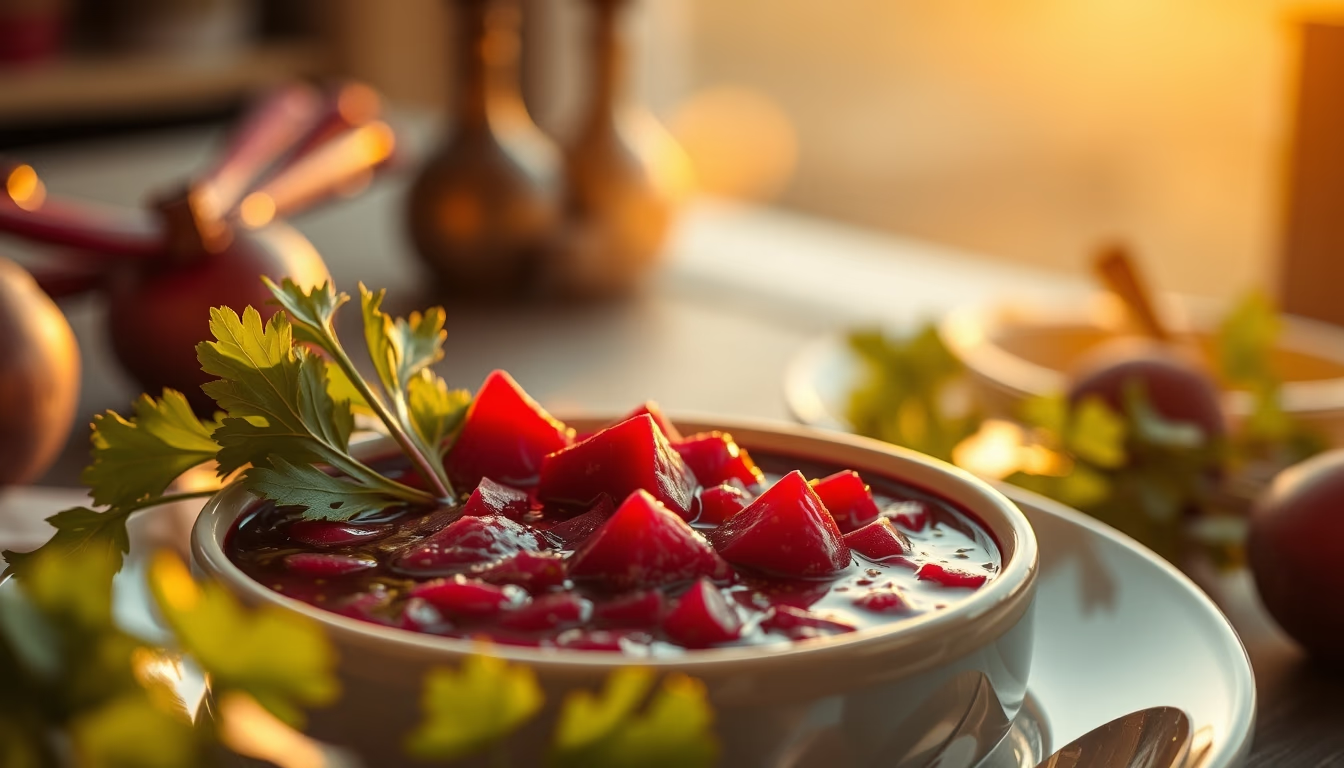
Borscht, a traditional Russian beet soup, blends earthy and sweet-sour flavors in an iconic Eastern European dish.
About this subject
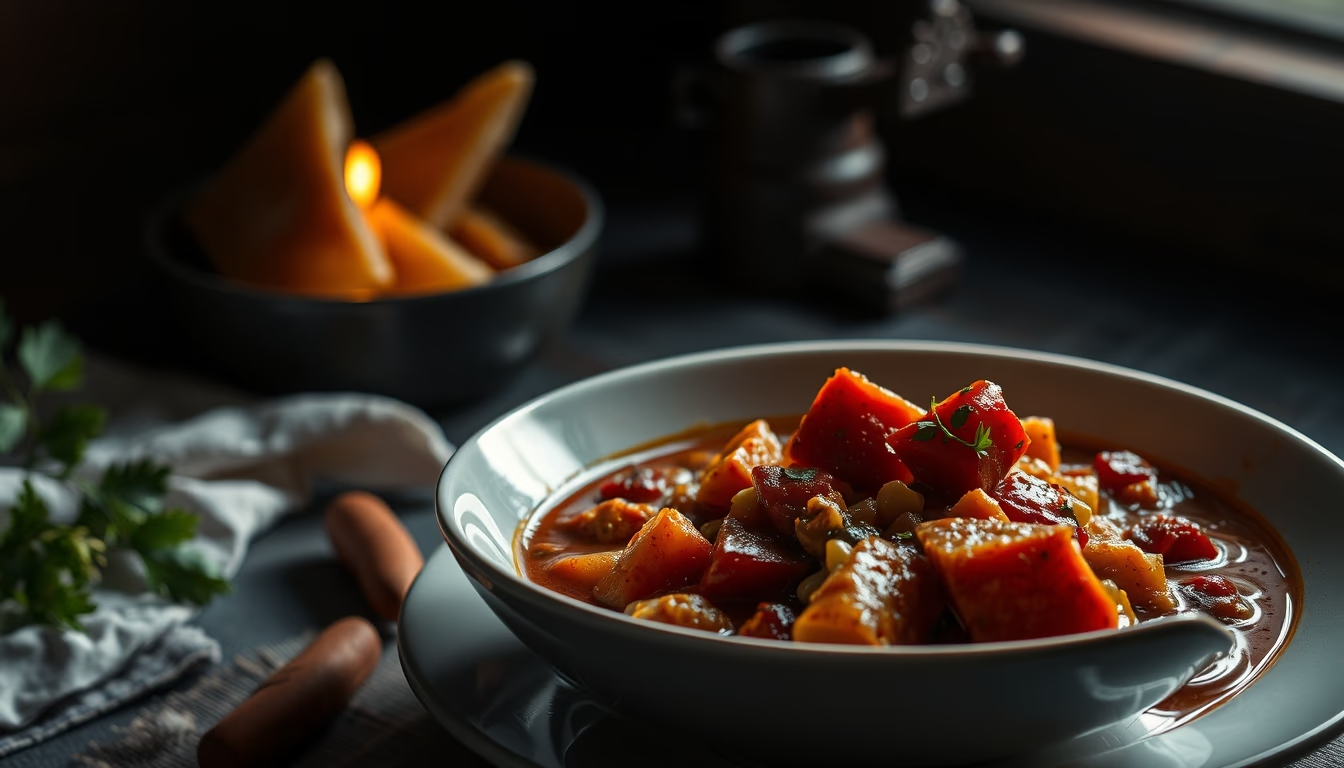
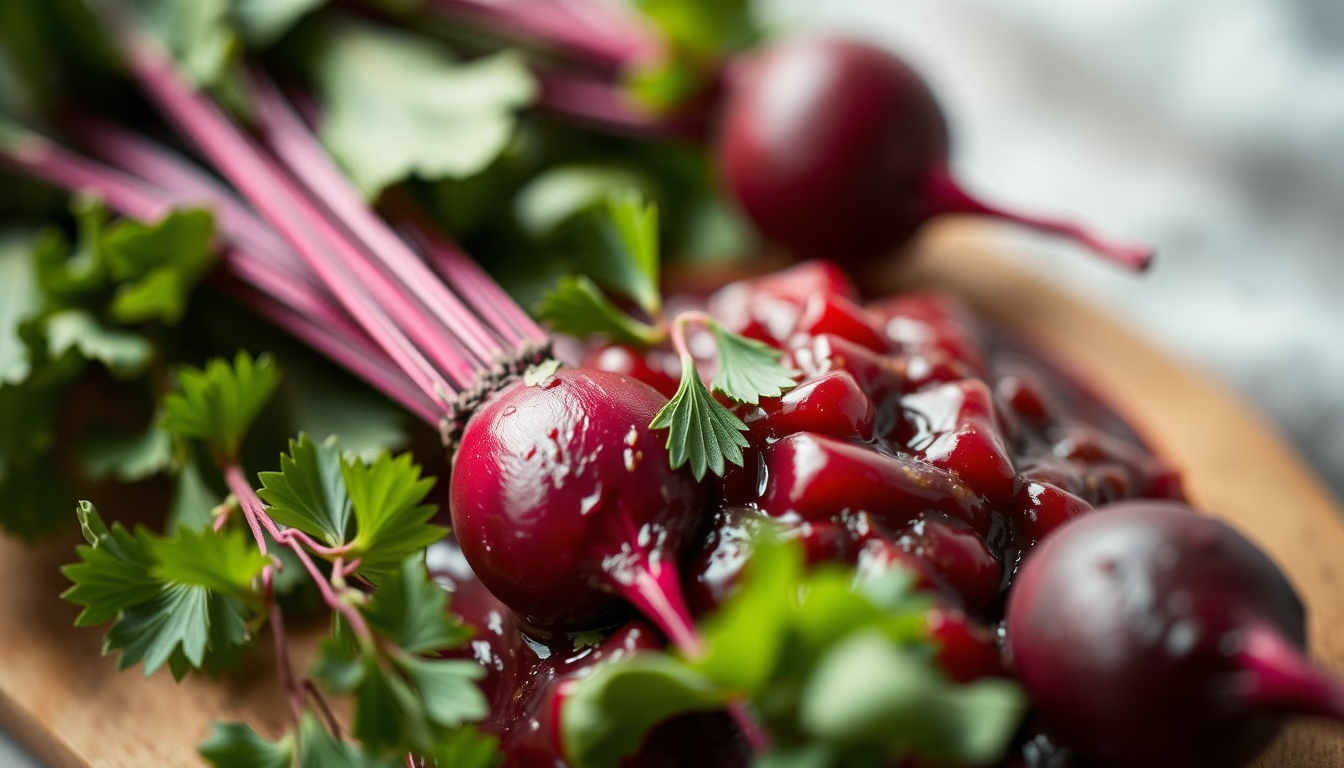
Borscht is a beetroot soup originating from Ukraine, but widely associated with Russian and several Eastern European cuisines, such as Polish, Lithuanian, and Romanian. Its base is beet broth, which gives the characteristic red color, often combined with meat (beef or pork), potatoes, carrots, cabbage, and onions. The sweet-sour taste comes from ingredients like vinegar, lemon, or kvass (a fermented rye drink), and it is commonly served with a dollop of smetana (sour cream) and fresh dill.
There are numerous regional variations: traditional Ukrainian borscht includes beans and is thicker, while the Polish version may include mushrooms and is served on special occasions. In Russia, hot borscht is common in winter, while a cold version called kholodnik, made with grated beetroot, kefir, and boiled eggs, is popular in summer. The soup gained worldwide fame for its versatility and nutritional value, being rich in vitamins, fiber, and antioxidants from beetroot.
Historically, borscht has roots in Slavic times, with records dating back to the 9th century. Originally it was made from a plant called hogweed (in Slavic, 'borshch'), but over time beetroot became the main ingredient. During the Soviet era, borscht was standardized as part of the USSR's 'national cuisine', although Ukraine claims its authorship. Today it is a must-have at winter festivals and celebrated as a symbol of hospitality.
Nutritionally, borscht is light and healthy: a typical bowl has about 150 calories, is low in fat, and provides potassium, iron, and vitamin C. Additionally, beetroot is known to improve blood circulation and reduce blood pressure. Because it is easy to prepare with affordable ingredients, borscht has spread to many countries and gained local adaptations, such as using sauerkraut in Germany or chili in the Caucasian version.
Frequently Asked Questions
Is borscht served hot or cold?
Borscht can be served both hot and cold. The hot version is typical in winter with meat, while the cold version, called kholodnik, is made in summer with grated beetroot, kefir, and boiled eggs.
What is the origin of borscht?
Borscht originates from Ukraine, with historical references dating to the 9th century. It was initially made from hogweed, but beetroot became the main ingredient. Today it is a traditional dish in many Eastern European countries.
What are typical ingredients in borscht?
Basic ingredients include beetroot, meat (or vegetable) broth, potatoes, carrots, cabbage, and onions. The sweet-sour flavor comes from vinegar or lemon juice, and it is commonly finished with smetana (sour cream) and dill.
Direct URL
https://pub-c7d6a6ea828543ac903a74a341ccb2e1.r2.dev/imagens/borscht-russian-beet-cinematic-wide-shot-fresh0.avifHow to credit
Include a visible link back to UtilizAí. Copy one of the snippets below:
<a href="https://xn--utiliza-eza.com/en/midia/imagens/borscht-russian-beet-cinematic-wide-shot-fresh0">Borscht russian beet</a> by <a href="https://xn--utiliza-eza.com">UtilizAí</a>, licensed under <a href="https://creativecommons.org/licenses/by/4.0/">CC BY 4.0</a>.
[Borscht russian beet](https://xn--utiliza-eza.com/en/midia/imagens/borscht-russian-beet-cinematic-wide-shot-fresh0) by [UtilizAí](https://xn--utiliza-eza.com), CC BY 4.0
License: CC-BY-4.0