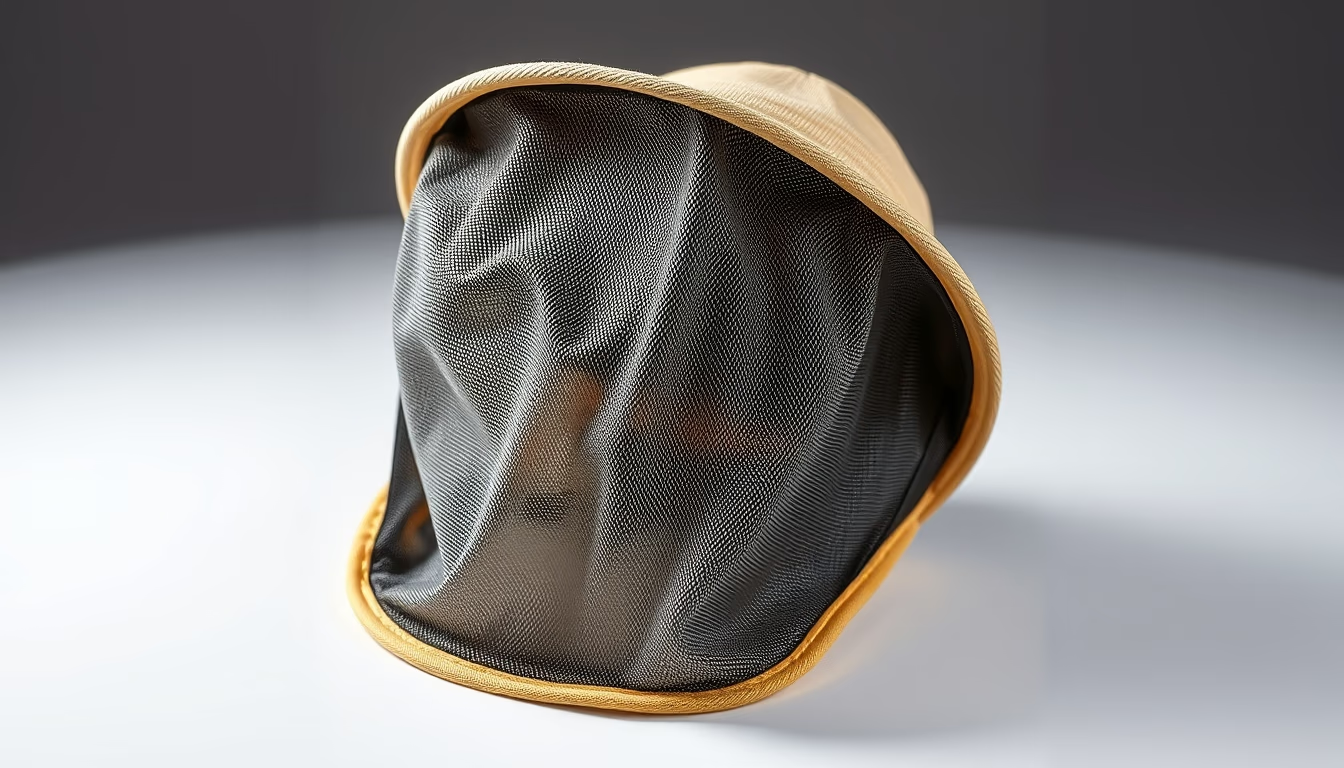
Beekeeper veil empty hat
1344×768 · AVIF · CC BY 4.0
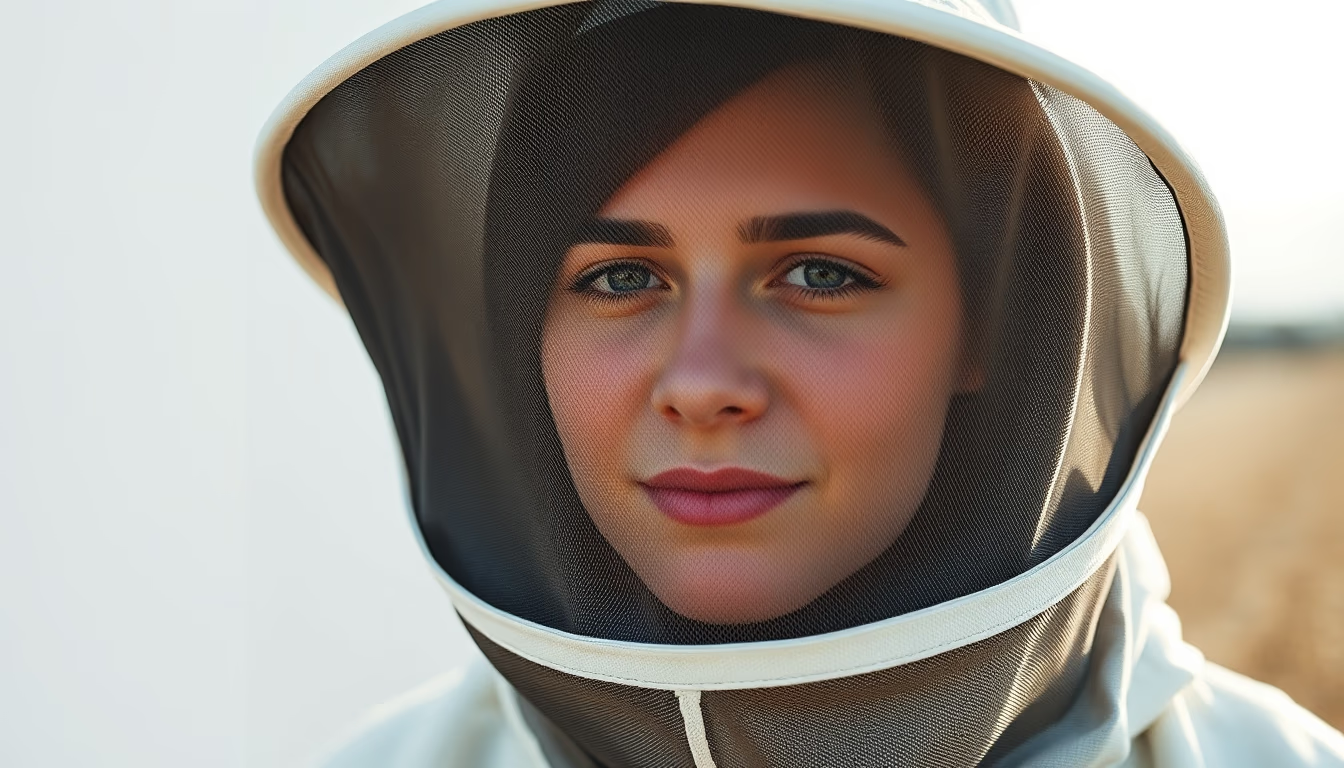
The beekeeping veil is an essential accessory for protection against stings during hive handling, consisting of a hat and a screen covering the face and neck.
About this subject
The beekeeping veil is a fundamental personal protective equipment (PPE) for anyone working with bees. Its primary function is to prevent stings to the face and neck, sensitive areas that are difficult to treat. Traditionally, the veil consists of a wide-brimmed hat, often made of straw or cloth, and a fine mesh screen, usually black, that allows visibility while keeping bees out. The hat holds the screen away from the face, creating ventilation space and preventing bees from touching the skin.
The choice of hat material varies: straw hats are lightweight and breathable, while cotton or polyester ones offer more durability and sun protection. The screen is made of nylon or polyester, with mesh size between 0.5 and 1 mm, sufficient to block worker bees but not queens or drones. Many beekeepers prefer veils integrated into overalls, forming a complete suit. White is common because bees are less aggressive toward light colors.
Historically, the use of veils in beekeeping dates back to the 19th century, when modern beekeeping began with Lorenzo Langstroth's invention of the movable frame hive. Before that, beekeepers relied on thick clothing and smoking to calm bees. Today, the veil is considered basic gear, but its effectiveness depends on proper fit: it must be snug at the neck and free of folds where bees could lodge.
Interestingly, many experienced beekeepers work without a veil on gentle hives, trusting the bees' calm demeanor. However, for beginners or during stressful handling, use is essential. The empty veil resting on a hat symbolizes preventive care and preparation before entering the apiary.
Frequently Asked Questions
Why is the beekeeper veil usually white?
White reflects sunlight and reduces internal heat, and it is less aggressive to bees, which associate dark colors with predators like bears and badgers.
What is the difference between a beekeeper veil and a mask?
A veil covers the entire head and neck, with a hat to keep the screen away from the face, while a mask only covers the face. The veil offers better protection and ventilation.
How to choose the mesh size of the veil?
The mesh should be between 0.5 and 1 mm to block worker bees. Too fine mesh impairs vision; too coarse does not provide protection.
Direct URL
https://pub-c7d6a6ea828543ac903a74a341ccb2e1.r2.dev/imagens/beekeeper-veil-empty-hat-minimalist-composition-fresh9.avifHow to credit
Include a visible link back to UtilizAí. Copy one of the snippets below:
<a href="https://xn--utiliza-eza.com/en/midia/imagens/beekeeper-veil-empty-hat-minimalist-composition-fresh9">Beekeeper veil empty hat</a> by <a href="https://xn--utiliza-eza.com">UtilizAí</a>, licensed under <a href="https://creativecommons.org/licenses/by/4.0/">CC BY 4.0</a>.
[Beekeeper veil empty hat](https://xn--utiliza-eza.com/en/midia/imagens/beekeeper-veil-empty-hat-minimalist-composition-fresh9) by [UtilizAí](https://xn--utiliza-eza.com), CC BY 4.0
License: CC-BY-4.0