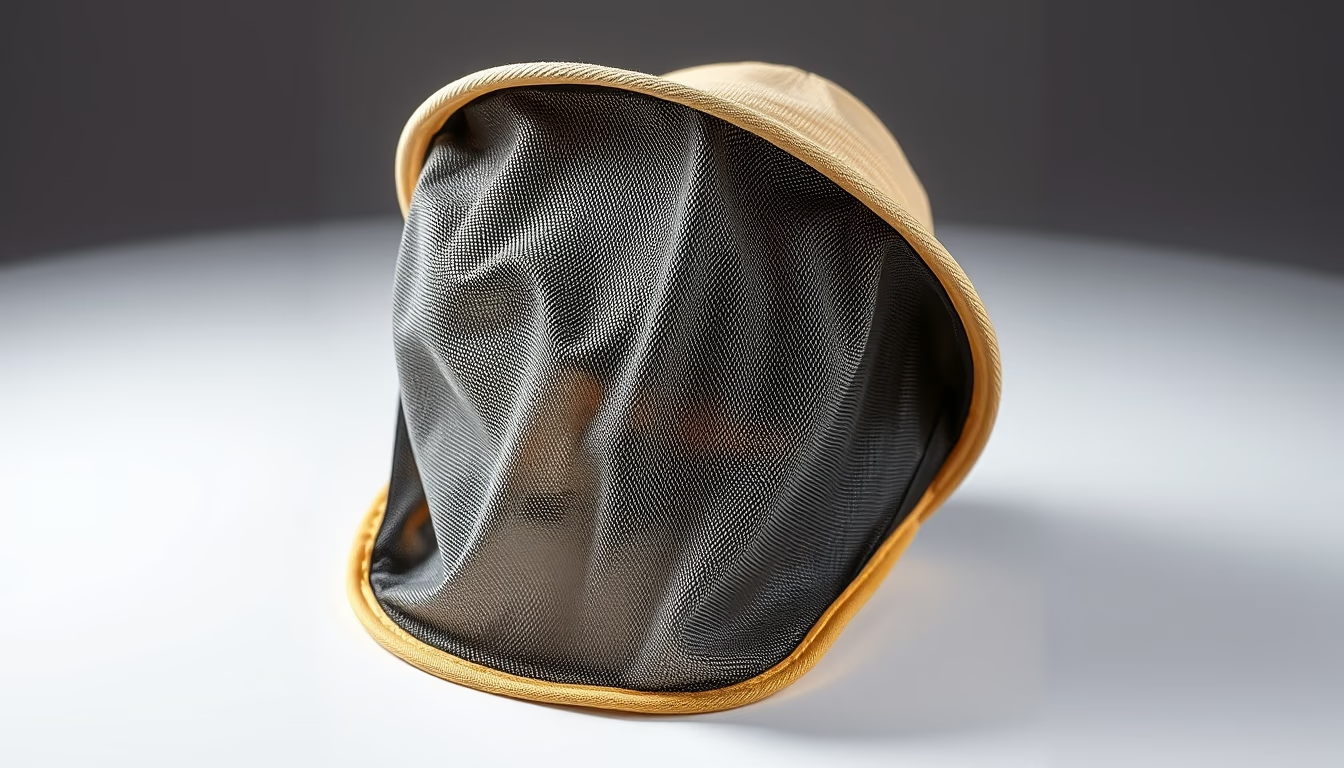
Beekeeper veil empty hat
1344×768 · AVIF · CC BY 4.0
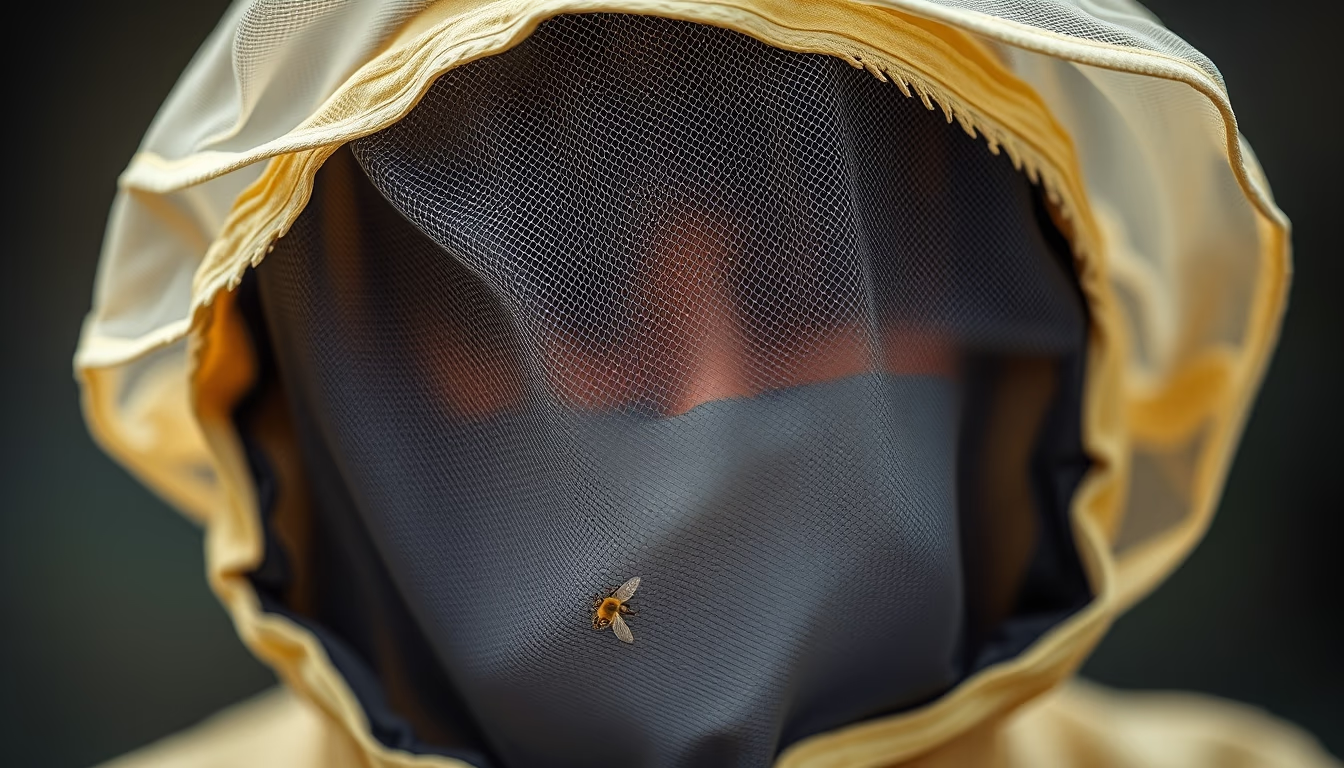
The beekeeping veil is an essential accessory for protection against stings, typically attached to a wide-brimmed hat.
About this subject
The beekeeper veil, also known as an apiary veil, is a crucial component of personal protective equipment (PPE) for anyone working with honeybees. Its primary purpose is to shield the face, neck, and ears from stings, enabling beekeepers to handle hives safely. Traditionally made of fine mesh fabric, usually polyester or nylon, the veil blocks bee penetration while preserving visibility. This material is lightweight, breathable, and durable, adapting well to hot field conditions.
Veil designs vary from models worn directly on the head to those attached to wide-brimmed hats. The hat, often made of straw or fabric, keeps the mesh away from the face, creating an air gap that prevents bees from contacting the skin. Some beekeepers prefer integrated hat-and-veil combinations, while others use separate pieces, such as the classic wide-brimmed bee hat. The choice depends on comfort and experience, but all designs follow the principle of fully sealing insect entry points.
Beyond physical protection, the veil instills confidence, allowing calmer and more precise movements near hives. Historically, early veils were made of gauze or cotton, evolving into synthetic materials in the 20th century. Interestingly, white or light colors dominate not only for heat reflection but because bees are less aggressive toward light tones, associating them with flowers rather than predators. In tropical regions like Brazil, the veil is indispensable year-round, especially in migratory beekeeping where hives are transported to follow blooms.
Culturally, the beekeeper veil has become an iconic symbol of the craft, appearing in rural photography and educational materials. Macro photography of an empty veil or hat highlights the mesh texture and stitching details, revealing the artisanal care in manufacturing. Such images are useful for beekeeping manuals or for those seeking to understand equipment structure. Though simple, the veil's effectiveness relies on correct fitting and maintenance, such as checking for tears that could compromise safety.
Frequently Asked Questions
Why are beekeeper veils usually white?
White or light colors are preferred because they reflect heat and, more importantly, bees associate light tones with flowers, reducing aggression. Dark colors may remind them of predators like bears or badgers.
What is the difference between a hat-attached veil and an integrated veil?
A veil attached to a wide-brimmed hat sits further from the face and can be detached, while an integrated veil is sewn directly to the hat, providing continuous sealing. Both are effective; choice depends on personal preference.
How should a beekeeper veil be maintained?
Regularly inspect the mesh for tears or holes, wash with mild soap and water after extended use, and avoid contact with harsh chemicals that may degrade the fabric.
Direct URL
https://pub-c7d6a6ea828543ac903a74a341ccb2e1.r2.dev/imagens/beekeeper-veil-empty-hat-macro-closeup-fresh8.avifHow to credit
Include a visible link back to UtilizAí. Copy one of the snippets below:
<a href="https://xn--utiliza-eza.com/en/midia/imagens/beekeeper-veil-empty-hat-macro-closeup-fresh8">Beekeeper veil empty hat</a> by <a href="https://xn--utiliza-eza.com">UtilizAí</a>, licensed under <a href="https://creativecommons.org/licenses/by/4.0/">CC BY 4.0</a>.
[Beekeeper veil empty hat](https://xn--utiliza-eza.com/en/midia/imagens/beekeeper-veil-empty-hat-macro-closeup-fresh8) by [UtilizAí](https://xn--utiliza-eza.com), CC BY 4.0
License: CC-BY-4.0