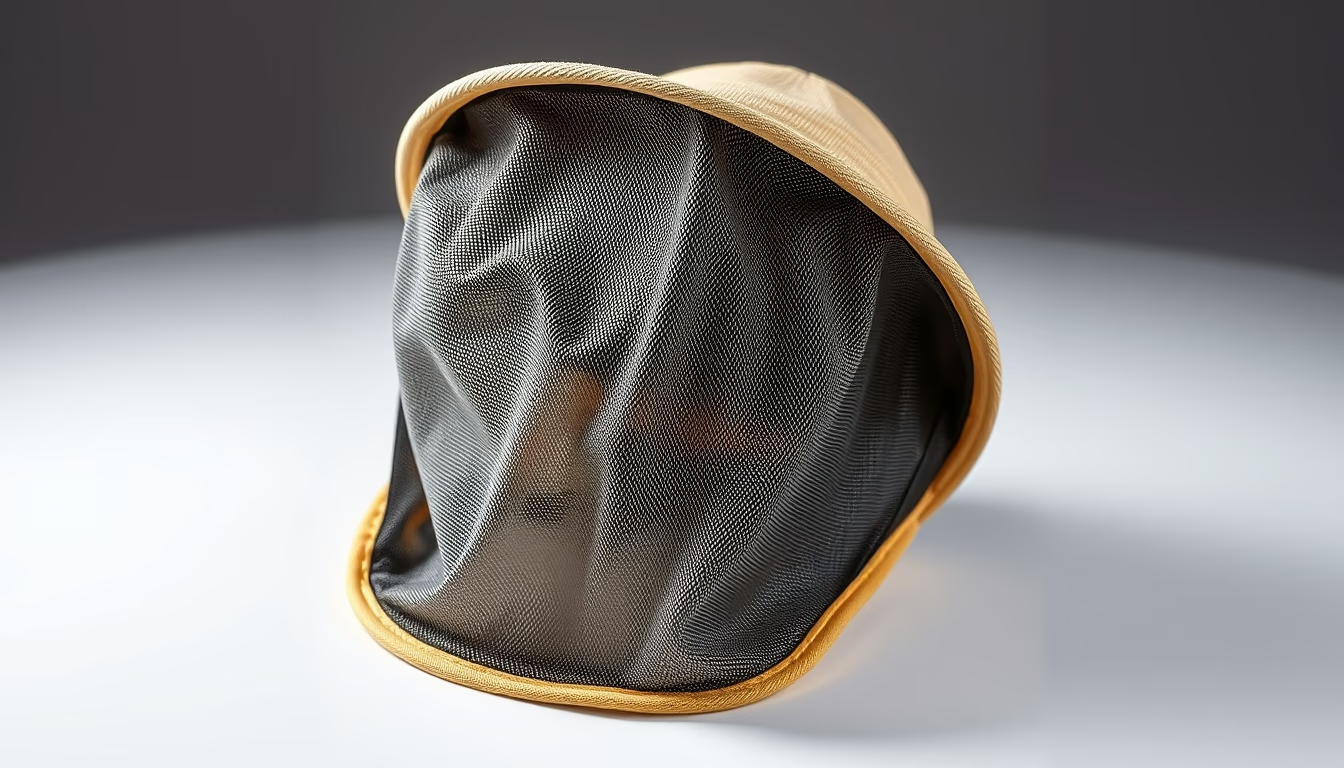
Beekeeper veil empty hat
1344×768 · AVIF · CC BY 4.0

The beekeeper veil is essential protective gear against stings during hive management, combining safety and visibility.
About this subject
The beekeeper veil is a critical component of personal protective equipment (PPE) used by beekeepers to prevent stings to the face, neck, and head. Traditionally, these veils are made of fine mesh fabric, usually polyester or cotton, allowing good ventilation and visibility. The most common design includes a wide-brimmed hat that supports the veil, keeping it away from the face to prevent bees from becoming trapped against the skin.
Historically, the first beekeeper veils appeared in the 19th century with the development of modern beekeeping. Before that, beekeepers used homemade clothing and cloths for protection. The veil has undergone several evolutions, from wire-framed models to current versions with zippers and elastic for a secure fit. In Brazil, beekeeping is a significant activity, with the country among the world's largest honey producers, especially in the southern and northeastern states, where veil use is standardized among beekeepers.
There are variations in veil design: some are integrated into a full bee suit, while others are separate pieces that can be worn with beekeeping jackets or shirts. The material of the veil influences durability and comfort. Models with black mesh reduce sun glare, and options with antibacterial treatment aid hygiene. Proper maintenance includes washing with warm water and mild soap, avoiding chemicals that might irritate the bees.
Interestingly, the veil not only protects the beekeeper but also reduces stress on the bees by preventing the beekeeper's breath and sudden movements from disturbing the hive. In drone flights over apiaries, it is common to see veils shining in the sun, standing out among the hives. It is estimated that an experienced beekeeper can handle hundreds of hives per day, relying on the veil as the first line of defense against accidents.
Frequently Asked Questions
Does the beekeeper veil protect against all types of stings?
Yes, the veil is designed to protect against honeybee stings, but it can also be effective against wasps and hornets. The fine mesh prevents insects from reaching the skin, but it does not offer protection against multiple bee attacks if the fabric is damaged.
How to clean a beekeeper veil?
Clean with warm water and mild soap, rinse thoroughly, and dry in the shade. Avoid bleach or fabric softeners, as residues may irritate bees. Some veils can be machine washed on a gentle cycle; check the manufacturer's instructions.
What is the difference between a beekeeper veil and a beekeeper hat?
A beekeeper hat is typically wide-brimmed and made of straw or synthetic material, serving as a support for the veil. The veil is the netting attached to the hat, protecting the face and neck. Many modern models combine hat and veil into one piece.
Direct URL
https://pub-c7d6a6ea828543ac903a74a341ccb2e1.r2.dev/imagens/beekeeper-veil-empty-hat-aerial-drone-shot-fresh7.avifHow to credit
Include a visible link back to UtilizAí. Copy one of the snippets below:
<a href="https://xn--utiliza-eza.com/en/midia/imagens/beekeeper-veil-empty-hat-aerial-drone-shot-fresh7">Beekeeper veil empty hat</a> by <a href="https://xn--utiliza-eza.com">UtilizAí</a>, licensed under <a href="https://creativecommons.org/licenses/by/4.0/">CC BY 4.0</a>.
[Beekeeper veil empty hat](https://xn--utiliza-eza.com/en/midia/imagens/beekeeper-veil-empty-hat-aerial-drone-shot-fresh7) by [UtilizAí](https://xn--utiliza-eza.com), CC BY 4.0
License: CC-BY-4.0