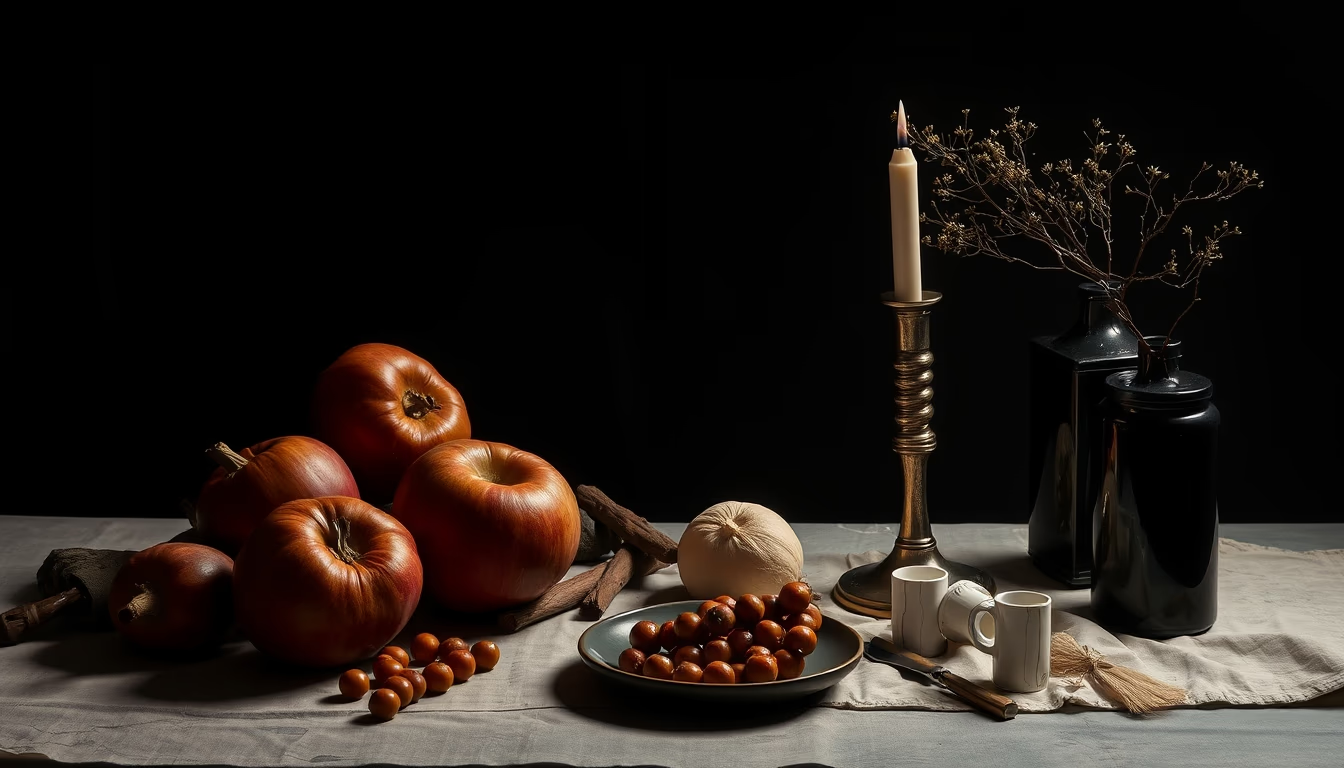
Baroque drama caravaggio
1344×768 · AVIF · CC BY 4.0
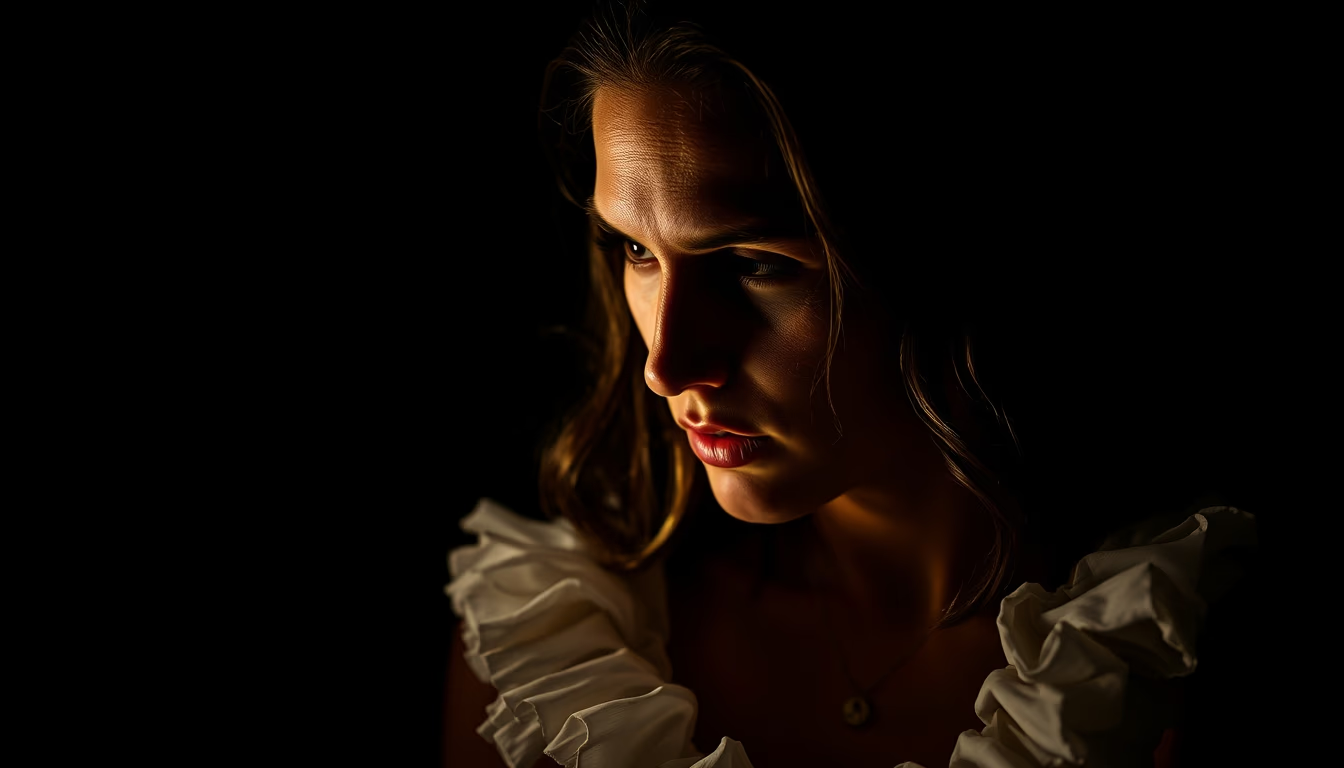
Caravaggio revolutionized Baroque painting with tenebrism, creating high-drama scenes through extreme contrasts of light and shadow.
About this subject
Michelangelo Merisi da Caravaggio (1571, 1610) is regarded as the father of dramatic Baroque style, innovating by using intense lighting and deep shadows to heighten emotion in his works. This technique, called tenebrism, involves a directional light source that selectively illuminates figures and objects while the background remains dark. Caravaggio applied this method to religious and mythological themes, as in "The Calling of Saint Matthew" (1599, 1600) and "Judith Beheading Holofernes" (1598, 1599), where light not only highlights the main action but also reveals facial expressions and gestures laden with tension. His work profoundly influenced other Baroque masters, such as Rembrandt, who adapted chiaroscuro for portraits and biblical scenes with a more intimate touch. Caravaggist drama also echoes in modern cinema and photography, serving as a reference for directors like Martin Scorsese and photographer Helmut Newton. Interestingly, Caravaggio often used ordinary people from the streets of Rome as models for saints and biblical figures, shocking the elite of his time with its raw realism. Despite his turbulent life, marked by brawls and escapes, his artistic legacy remains a cornerstone of Western painting.
Frequently Asked Questions
What differentiates Caravaggio's tenebrism from chiaroscuro used by other artists?
Caravaggio's tenebrism is more extreme, with violent contrasts between light and darkness, often leaving most of the scene in shadow and illuminating only specific details. Chiaroscuro, as used by Leonardo da Vinci, employs smoother transitions between light and shadow.
Which works of Caravaggio best exemplify Baroque drama?
Works such as "The Beheading of Saint John the Baptist" (1608), "The Entombment of Christ" (1602, 1604), and "The Supper at Emmaus" (1601) are striking examples, with focused light that accentuates the moment of greatest narrative tension.
How did Caravaggio influence photography and cinema?
His dramatic use of light and shadow inspired lighting techniques such as photographic chiaroscuro and the so-called 'Rembrandt lighting' in cinema, used to create depth and emotion in portraits and suspenseful scenes.
Direct URL
https://pub-c7d6a6ea828543ac903a74a341ccb2e1.r2.dev/imagens/baroque-drama-caravaggio-rembrandt-lighting-dramatic-shadows-fresh2.avifHow to credit
Include a visible link back to UtilizAí. Copy one of the snippets below:
<a href="https://xn--utiliza-eza.com/en/midia/imagens/baroque-drama-caravaggio-rembrandt-lighting-dramatic-shadows-fresh2">Baroque drama caravaggio</a> by <a href="https://xn--utiliza-eza.com">UtilizAí</a>, licensed under <a href="https://creativecommons.org/licenses/by/4.0/">CC BY 4.0</a>.
[Baroque drama caravaggio](https://xn--utiliza-eza.com/en/midia/imagens/baroque-drama-caravaggio-rembrandt-lighting-dramatic-shadows-fresh2) by [UtilizAí](https://xn--utiliza-eza.com), CC BY 4.0
License: CC-BY-4.0