Baroque drama caravaggio
1344×768 · AVIF · CC BY 4.0
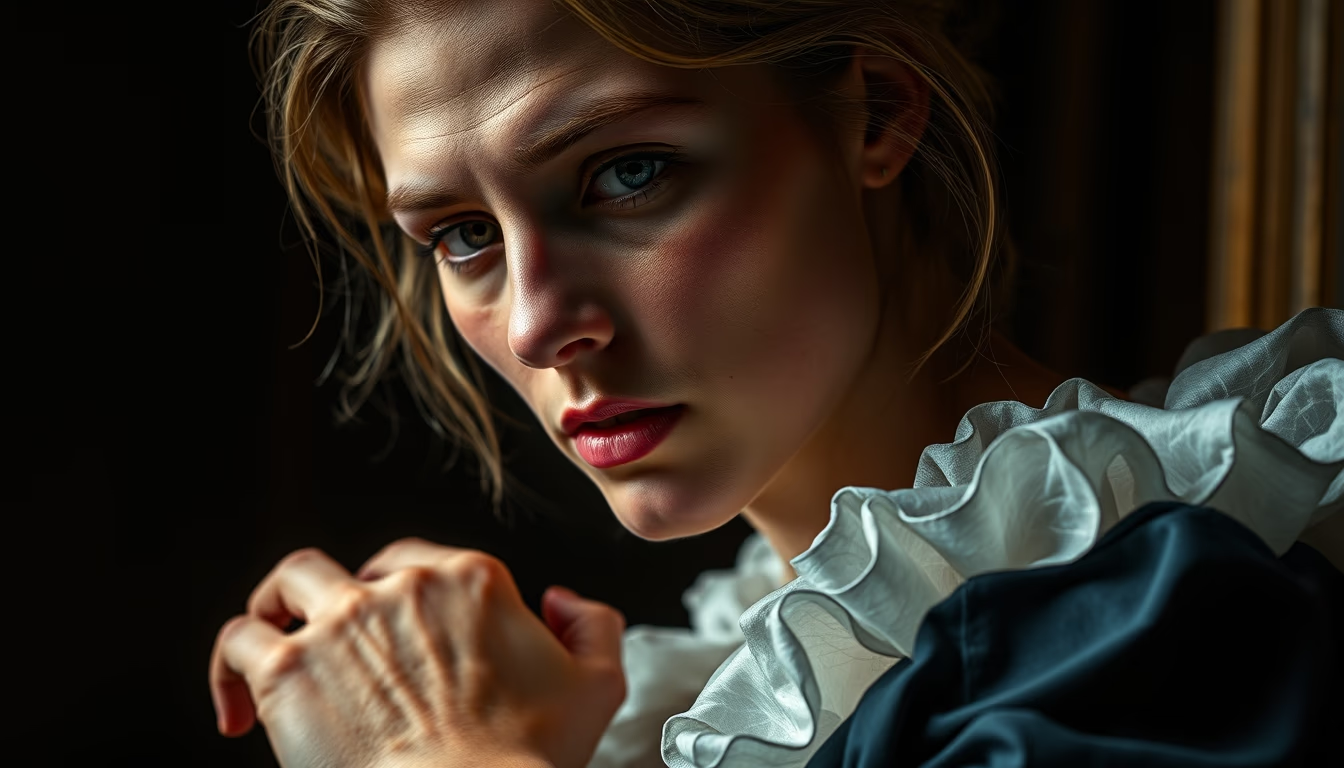
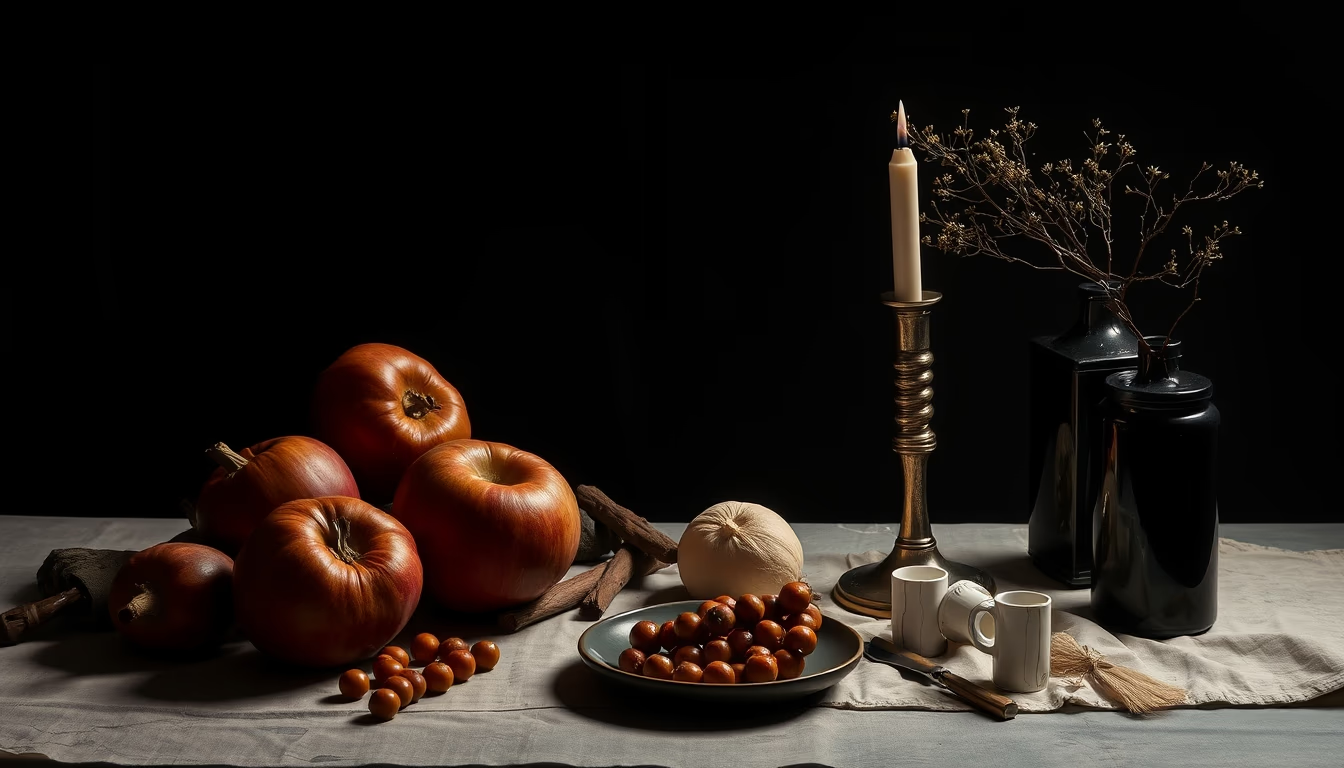
Caravaggio revolutionized Baroque painting with his intense realism and dramatic use of light and shadow, influencing generations of artists.
About this subject
Michelangelo Merisi da Caravaggio (1571-1610) was an Italian painter whose work deeply marked the Baroque period. His style, known as tenebrism, is characterized by violent contrasts between light and darkness, creating an atmosphere of tension and drama. Caravaggio innovated by portraying biblical and mythological figures with gritty realism, using ordinary people as models and avoiding idealization. Works such as "The Supper at Emmaus" and "Judith Beheading Holofernes" exemplify his talent for capturing moments of high emotional charge.
Caravaggio's technique influenced not only Italian painters but also artists across Europe, such as Rembrandt, Velázquez, and Georges de La Tour. His use of light not only illuminated scenes but also directed the viewer's attention to specific elements, enhancing the narrative drama. Despite his turbulent life and early death, Caravaggio left a legacy that endures today, studied by art historians and admired for its visual impact.
Baroque drama, of which Caravaggio is a major exponent, reflects the context of the Counter-Reformation, when the Catholic Church sought art that communicated faith and emotion in an accessible manner. Baroque paintings often depict moments of ecstasy, martyrdom, or miracles, with dynamic compositions and intense expressions. Caravaggio took this approach to the extreme, creating scenes that seem to freeze time and invite the viewer to participate in the represented event.
Frequently Asked Questions
What is Caravaggio's tenebrism?
Tenebrism is a painting technique using strong contrasts between light and shadow. Caravaggio was its leading exponent, creating dramatic effects that enhance realism and emotion in scenes.
How did Caravaggio influence other artists?
His innovative use of light and shadow and his realism inspired Baroque painters such as Rembrandt and Velázquez. Caravaggism spread across Europe, especially in Spain, France, and the Netherlands.
What is the relationship between Caravaggio and the Counter-Reformation?
During the Counter-Reformation, the Catholic Church encouraged art that would move and educate the faithful. Caravaggio's dramatic, realistic paintings served this purpose, making religious subjects more accessible and impactful.
Direct URL
https://pub-c7d6a6ea828543ac903a74a341ccb2e1.r2.dev/imagens/baroque-drama-caravaggio-fine-art-photography-fresh9.avifHow to credit
Include a visible link back to UtilizAí. Copy one of the snippets below:
<a href="https://xn--utiliza-eza.com/en/midia/imagens/baroque-drama-caravaggio-fine-art-photography-fresh9">Baroque drama caravaggio</a> by <a href="https://xn--utiliza-eza.com">UtilizAí</a>, licensed under <a href="https://creativecommons.org/licenses/by/4.0/">CC BY 4.0</a>.
[Baroque drama caravaggio](https://xn--utiliza-eza.com/en/midia/imagens/baroque-drama-caravaggio-fine-art-photography-fresh9) by [UtilizAí](https://xn--utiliza-eza.com), CC BY 4.0
License: CC-BY-4.0