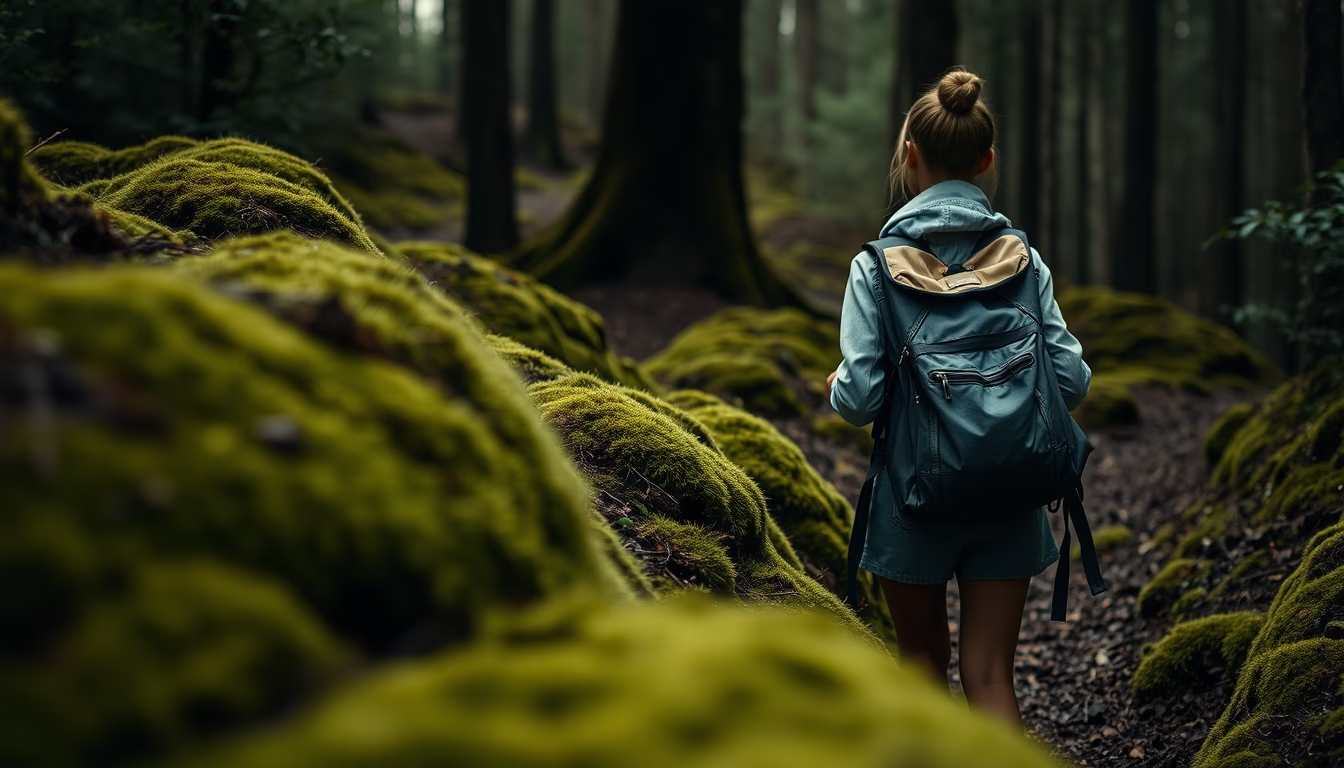
Backpack on trail moss
1344×768 · AVIF · CC BY 4.0
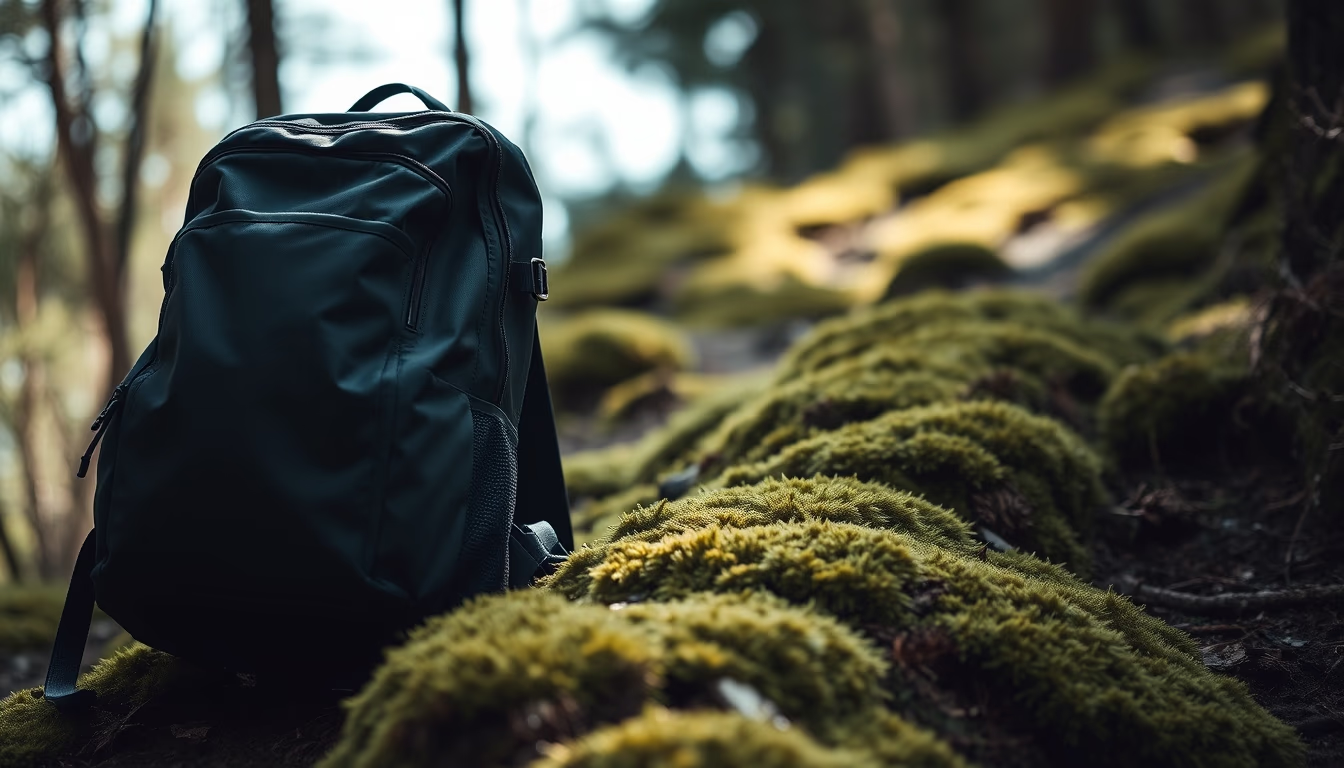
A backpack rests on a moss-covered trail, embodying minimalist adventure and deep connection with nature.
About this subject
The image shows a backpack alone on a moss-covered trail, a common scene in temperate and humid regions such as Brazil's Atlantic Forest or the forests of southern Chile. Moss, a pioneer plant that thrives in moist, shaded soils, is an indicator of environmental quality: its presence suggests clean air and low pollution. On trails, it forms a natural cushion that absorbs footsteps and prevents soil erosion, but also requires care to avoid damage from excessive trampling.
The backpack, the central element, evokes the concept of backpacking and minimalism in outdoor adventures. In recent years, the 'ultralight' movement has gained traction among Brazilian and global hikers, prioritizing lightweight and functional gear. A typical day-hike backpack holds between 20 and 30 liters, while longer expeditions require models from 40 to 70 liters. Material choice is crucial: fabrics like ripstop nylon and waterproof coatings such as silicone ensure durability and protection against rain and humidity.
Moss, however, is more than decorative. It plays vital ecological roles: retaining water, sheltering microorganisms, and serving as a bioindicator. On trails like the Canyons Route (RS) or the Petrópolis-Teresópolis Crossing (RJ), large expanses of moss cover rocks and fallen logs. Its soft texture and vibrant green create a minimalist aesthetic prized by photographers and content creators seeking clean, natural compositions.
Minimalism in the image goes beyond aesthetics: it reflects a life philosophy that prioritizes experiences over material possessions. Carrying only essentials in a backpack, water, food, a map, a jacket, allows deeper immersion in the landscape. This approach is increasingly adopted by adventurers aiming to reduce environmental impact and reconnect with the natural world.
Frequently Asked Questions
Why is moss important on natural trails?
Moss plays essential ecological roles: retains moisture, prevents soil erosion, shelters microorganisms, and serves as an air quality bioindicator. On trails, it forms a natural cushion that softens footsteps, but must be preserved to avoid damage.
How to choose a suitable backpack for hiking?
Consider the hike duration: day hikes require 20-30 liter packs; multi-day expeditions need 40-70 liters. Prioritize lightweight, durable materials like ripstop nylon, and check ergonomic adjustments and waterproofing. Hip belts help distribute weight.
What does minimalism mean in outdoor adventures?
Outdoor minimalism means carrying only essentials, reducing weight and environmental impact. It is based on the idea that less gear allows more contact with nature and focus on the experience. It includes choosing multifunctional items and adopting practices like Leave No Trace.
Direct URL
https://pub-c7d6a6ea828543ac903a74a341ccb2e1.r2.dev/imagens/backpack-on-trail-moss-minimalist-composition-p0.avifHow to credit
Include a visible link back to UtilizAí. Copy one of the snippets below:
<a href="https://xn--utiliza-eza.com/en/midia/imagens/backpack-on-trail-moss-minimalist-composition-p0">Backpack on trail moss</a> by <a href="https://xn--utiliza-eza.com">UtilizAí</a>, licensed under <a href="https://creativecommons.org/licenses/by/4.0/">CC BY 4.0</a>.
[Backpack on trail moss](https://xn--utiliza-eza.com/en/midia/imagens/backpack-on-trail-moss-minimalist-composition-p0) by [UtilizAí](https://xn--utiliza-eza.com), CC BY 4.0
License: CC-BY-4.0