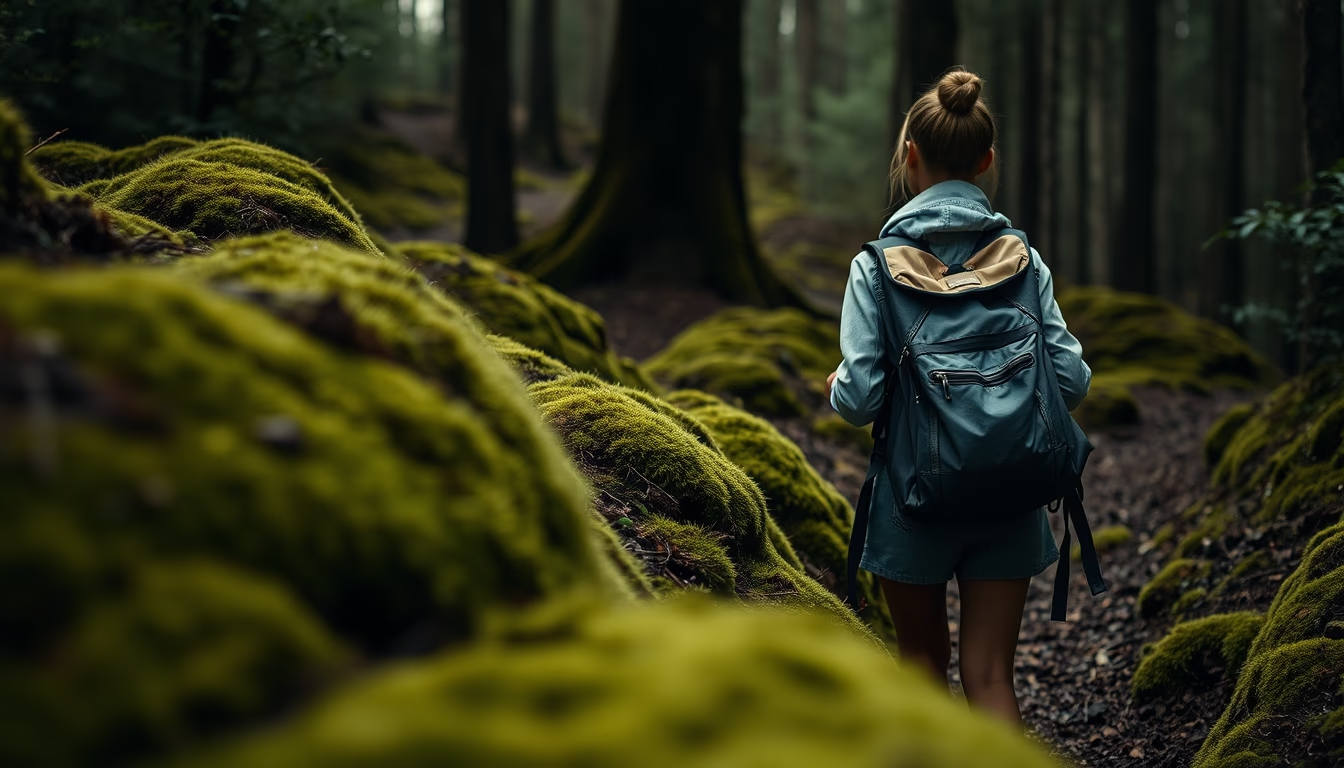
Backpack on trail moss
1344×768 · AVIF · CC BY 4.0
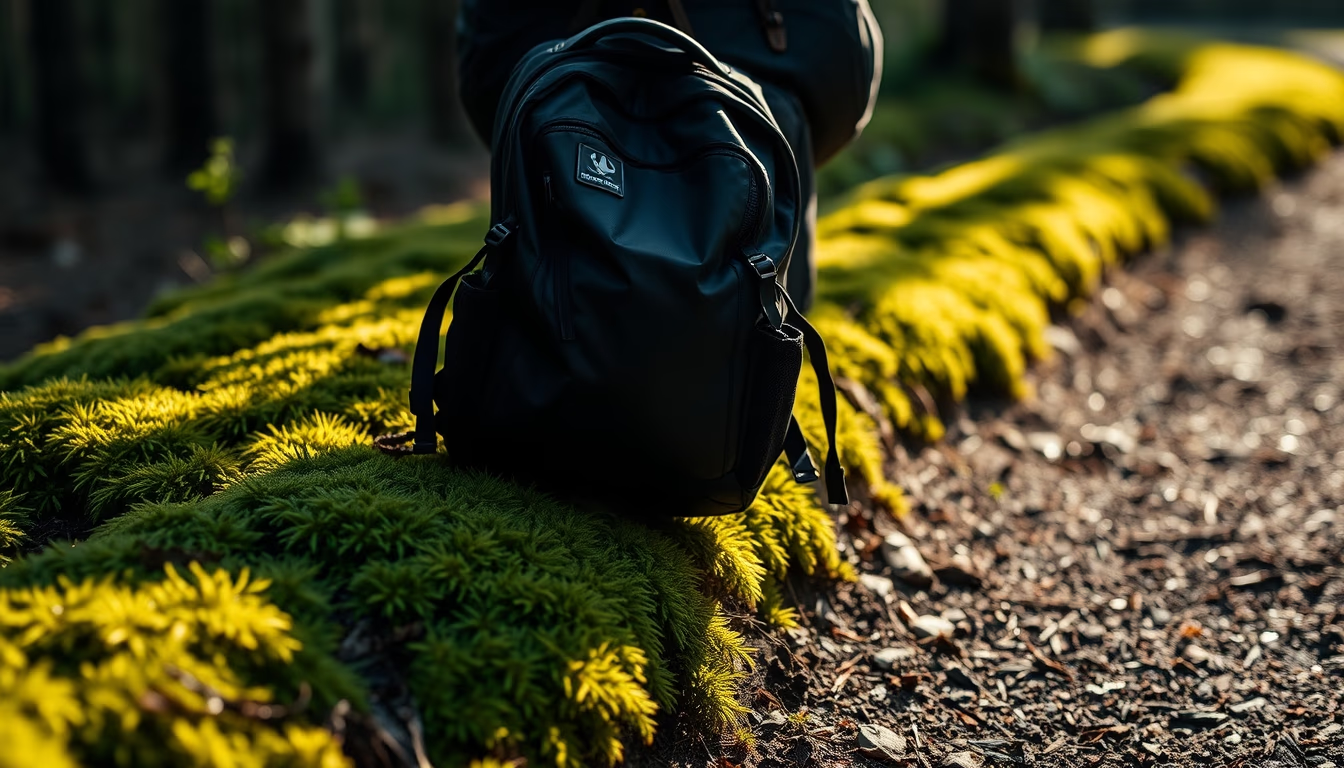
Backpacks on mossy trails symbolize the link between hiking and the ecology of humid tropical forests, such as the Atlantic Forest in Brazil.
About this subject
Moss-covered trails are common in high-humidity regions such as the Brazilian Atlantic Forest and temperate rainforests. Moss, a bryophyte, forms carpets that protect soil from erosion and retain moisture, but it is sensitive to trampling. Experienced backpackers follow Leave No Trace principles, stepping on rocks or bare ground to preserve this fragile ecosystem. In Brazil, trails like the Transcarioca and those in Serra dos Órgãos National Park feature thick moss tapes, especially at misty altitudes. Moss can hold up to 20 times its weight in water, acting as a natural sponge that regulates stream flow. For hikers, this means slippery surfaces; trekking poles and grippy soles are essential. Moss also hosts microfauna such as tardigrades and springtails, recycling nutrients.
The aesthetic of "trail moss" is popular in fine art photography, where the lush green texture contrasts with brightly colored backpacks. This combination symbolizes the human-nature dialogue. Globally, mossy trails are iconic in places like the Hoh Rainforest (USA) and Milford Track (New Zealand), drawing hikers who seek immersion in pristine ecosystems. The backpack itself, often a 40-60 liter model with external gear, represents self-sufficiency and adventure. Lightweight fabrics and waterproof coatings help withstand damp conditions, while features like hip belts distribute weight for long treks.
Frequently Asked Questions
Why is moss important on hiking trails?
Moss protects soil from erosion, retains water, and hosts microorganisms vital for nutrient cycling. On trails, it helps maintain humidity but is easily damaged by trampling, so hikers should avoid stepping on it.
What precautions should be taken on mossy trails?
Use shoes with grippy soles (e.g., Vibram rubber) and trekking poles to prevent slipping. Walk on rocks or bare ground, never on moss. In wet conditions, the surface becomes even slicker, so take short steps and stay focused.
Where can you find mossy trails in Brazil?
Mountain national parks like Serra dos Órgãos (RJ) and Pico do Marumbi State Park (PR) have high-altitude sections with dense moss. The Transcarioca Trail also includes humid stretches with this vegetation.
Direct URL
https://pub-c7d6a6ea828543ac903a74a341ccb2e1.r2.dev/imagens/backpack-on-trail-moss-fine-art-photography-p1.avifHow to credit
Include a visible link back to UtilizAí. Copy one of the snippets below:
<a href="https://xn--utiliza-eza.com/en/midia/imagens/backpack-on-trail-moss-fine-art-photography-p1">Backpack on trail moss</a> by <a href="https://xn--utiliza-eza.com">UtilizAí</a>, licensed under <a href="https://creativecommons.org/licenses/by/4.0/">CC BY 4.0</a>.
[Backpack on trail moss](https://xn--utiliza-eza.com/en/midia/imagens/backpack-on-trail-moss-fine-art-photography-p1) by [UtilizAí](https://xn--utiliza-eza.com), CC BY 4.0
License: CC-BY-4.0