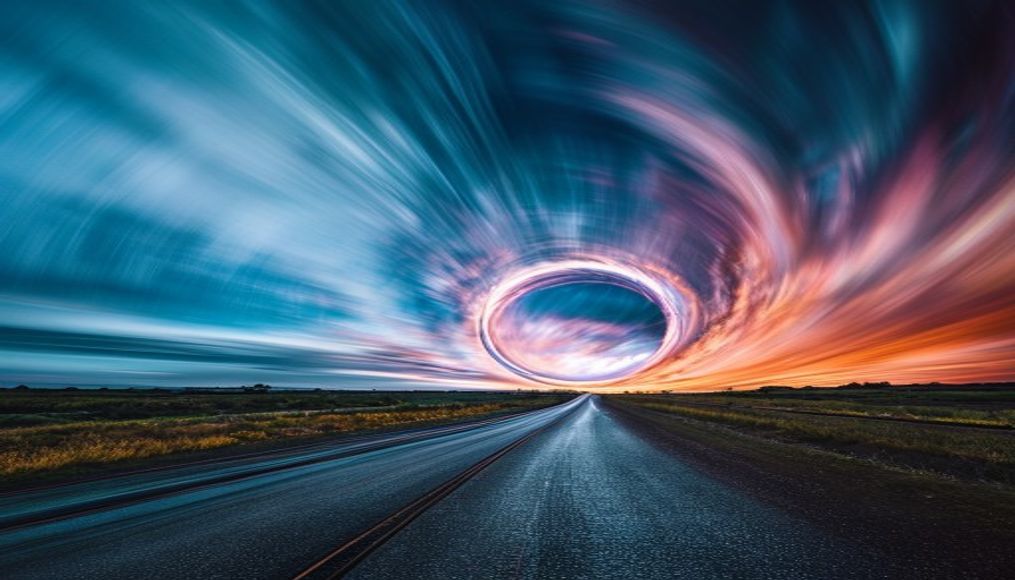
Aurora borealis green sky
1344×768 · AVIF · CC BY 4.0
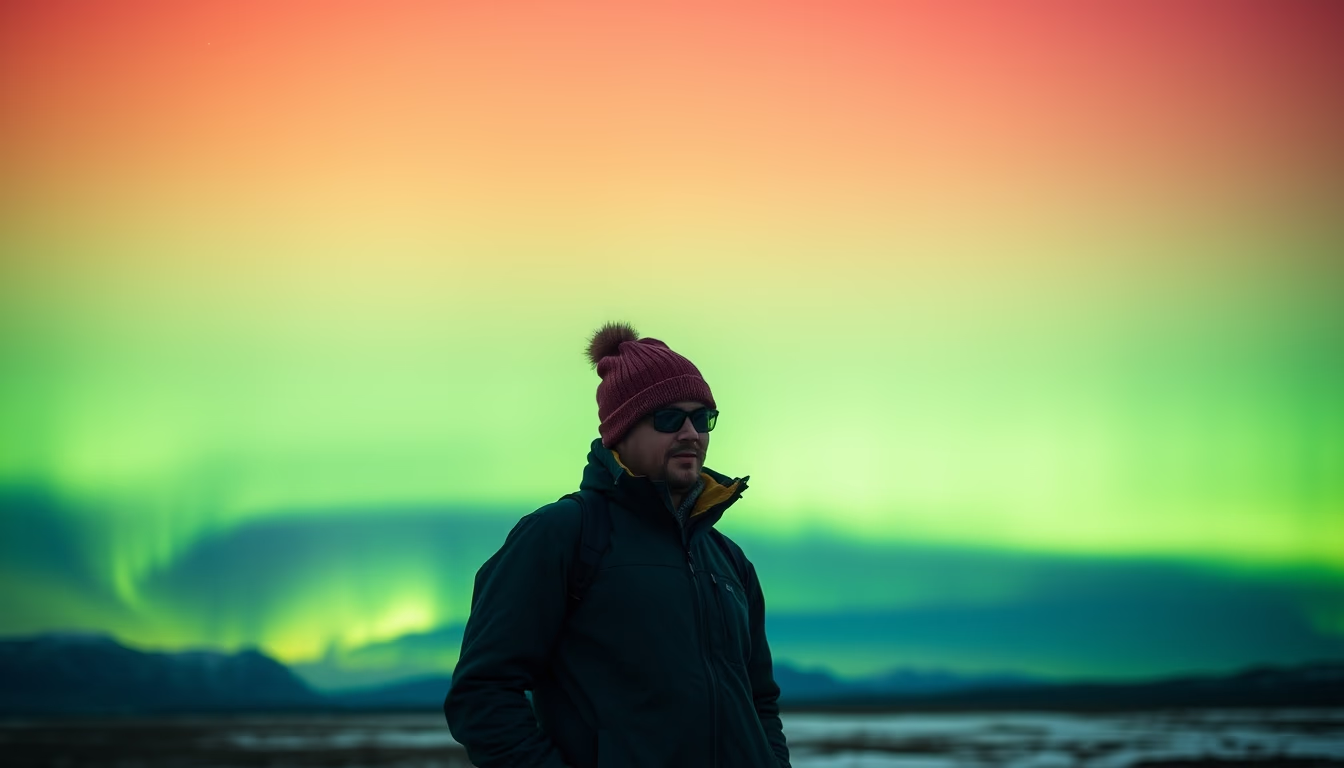
The aurora borealis is a stunning natural phenomenon where solar particles collide with Earth's atmosphere, creating curtains of green light in the polar night sky.
About this subject
The aurora borealis, or northern lights, occurs when charged particles from the solar wind are funneled by Earth's magnetic field toward the poles. Colliding with oxygen and nitrogen molecules in the upper atmosphere, these particles excite the atoms, which then emit visible light. The green color, the most common, is produced by oxygen at altitudes of about 100 to 300 km. Intensity and color vary depending on particle energy and atmospheric composition.
To view the aurora borealis, one must be in high-latitude regions such as northern Scandinavia, Canada, Alaska, Iceland, and northern Russia. The best times are between September and March, during local winter with long, dark nights. The phenomenon is unpredictable but can be forecast using geomagnetic activity indices (Kp-index). Locations like Tromsø in Norway, Yellowknife in Canada, and Abisko in Sweden are renowned for their clear skies and high aurora frequency.
Culturally, the aurora borealis holds various meanings. In Norse mythology, it was believed to be reflections from the Valkyries' armor or a bridge to the gods. The Sami people of Lapland regarded the lights with respect and fear, associating them with ancestral spirits. Scientifically, studying auroras helps understand space weather and the effects of solar activity on Earth.
A fun fact: the aurora also occurs in the southern hemisphere, called aurora australis, visible from places like Tasmania and New Zealand. Additionally, blue and violet colors are rarely seen with the naked eye, being more detectable in long-exposure photographs.
Frequently Asked Questions
What causes the green color in the aurora borealis?
The green color is produced by oxygen molecules in the upper atmosphere (between 100 and 300 km altitude) when excited by solar particles. It is the most common and most visible color to the naked eye.
What is the best place to see the aurora borealis?
Regions near the Arctic Circle, such as northern Norway (Tromsø), Sweden (Abisko), Canada (Yellowknife), Alaska (Fairbanks), and Iceland. Locations with little light pollution and clear skies are ideal.
Can the aurora borealis be predicted?
Yes, using the Kp-index, which measures geomagnetic activity. Short-term forecasts (30 minutes to a few hours) are available on sites like the NOAA Space Weather Prediction Center. Clear, dark nights increase the chances.
Direct URL
https://pub-c7d6a6ea828543ac903a74a341ccb2e1.r2.dev/imagens/aurora-borealis-green-sky-travel-photography-p0.avifHow to credit
Include a visible link back to UtilizAí. Copy one of the snippets below:
<a href="https://xn--utiliza-eza.com/en/midia/imagens/aurora-borealis-green-sky-travel-photography-p0">Aurora borealis green sky</a> by <a href="https://xn--utiliza-eza.com">UtilizAí</a>, licensed under <a href="https://creativecommons.org/licenses/by/4.0/">CC BY 4.0</a>.
[Aurora borealis green sky](https://xn--utiliza-eza.com/en/midia/imagens/aurora-borealis-green-sky-travel-photography-p0) by [UtilizAí](https://xn--utiliza-eza.com), CC BY 4.0
License: CC-BY-4.0