Asteroid surface rocky
1344×768 · AVIF · CC BY 4.0
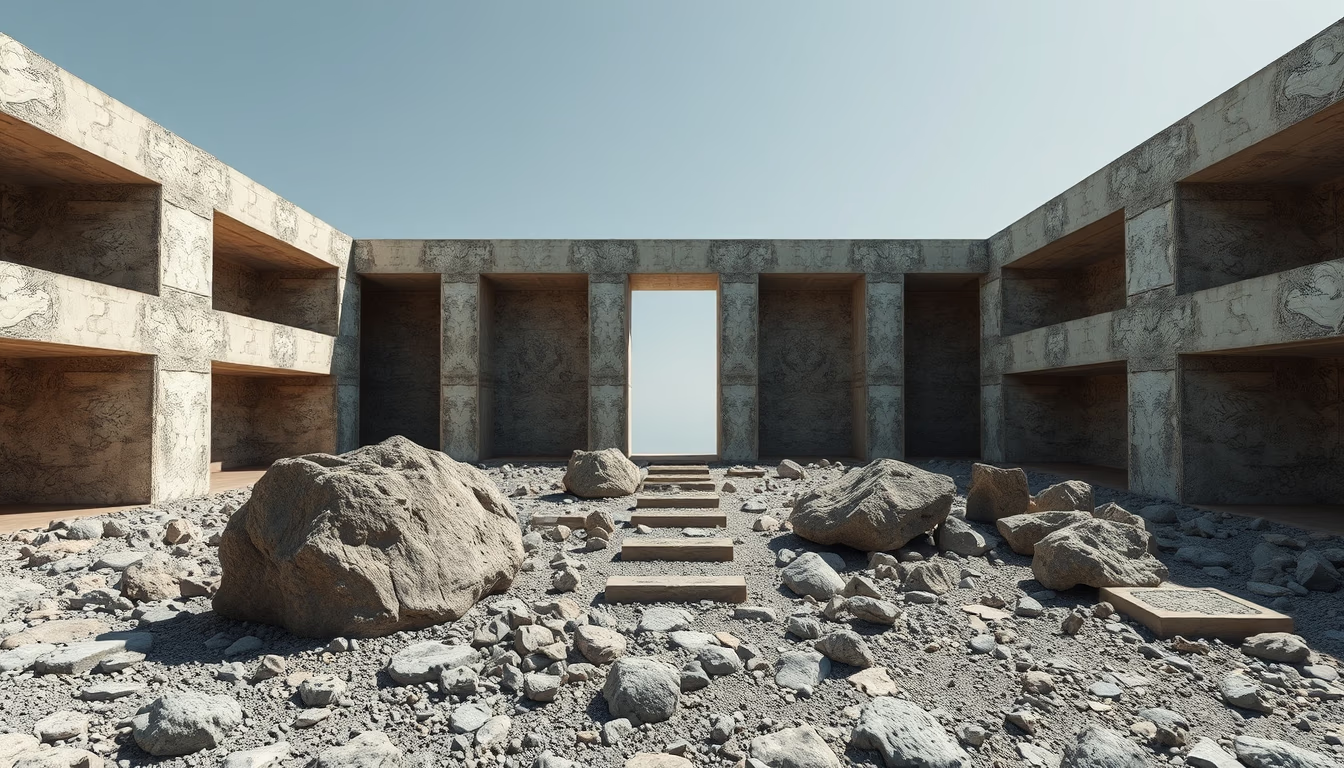
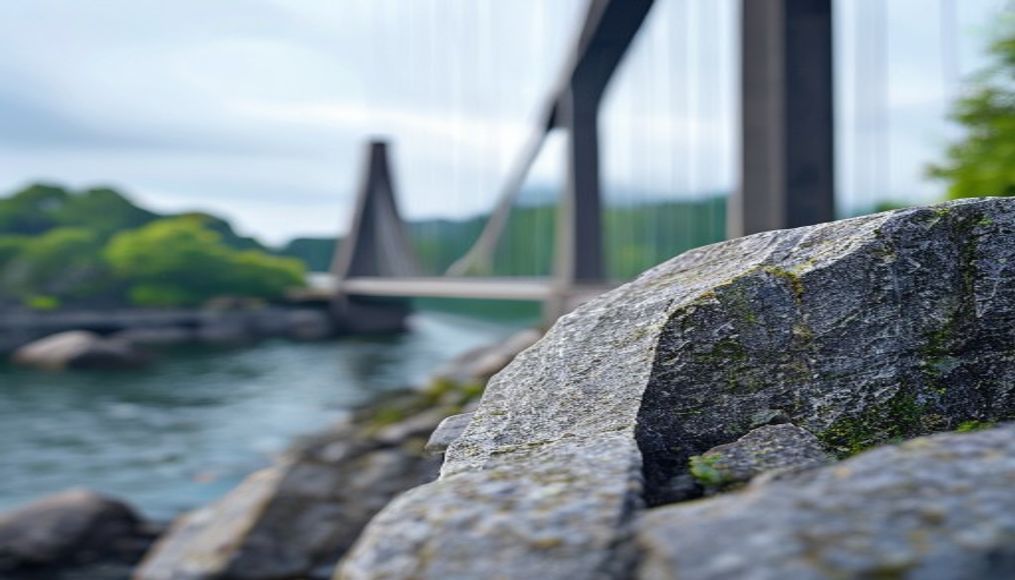
Rocky asteroid surfaces reveal the primitive geology of the Solar System and hide valuable resources for the future of space exploration.
About this subject
The surface of an asteroid is primarily composed of rocks and dust, resulting from billions of years of impacts, solar radiation, and space weathering. There are three main types of asteroids based on surface composition: C-type (carbonaceous), rich in carbon and clay minerals; S-type (silicaceous), containing silicates and metals; and M-type (metallic), primarily made of iron and nickel. These bodies range from a few meters to hundreds of kilometers in diameter, and their surfaces display craters, grooves, regolith (loose soil), and sometimes large boulders.
Studying asteroid surfaces is crucial for understanding the formation and evolution of the Solar System. Samples returned by missions such as Japan's Hayabusa2 from asteroid Ryugu and NASA's OSIRIS-REx from asteroid Bennu have revealed organic compounds and water, indicating that these bodies may have contributed to the origin of life on Earth. Additionally, observing rocky surfaces helps identify potential targets for future mining, as S-type and M-type asteroids contain rare and precious metals.
Interestingly, the surface of some asteroids is not entirely solid. Studies show that many are “rubble piles,” loose aggregates of rocks and dust held together by their own gravity. This makes exploration challenging: landing a module or collecting samples requires special techniques, such as projectile shots or gentle touches. With each new mission, scientists discover that these tiny worlds hold secrets that help unravel not only the past but also the future of humanity in space.
Frequently Asked Questions
What is the surface of an asteroid made of?
The surface consists of rocks, dust, and regolith, varying by asteroid type: carbonaceous (C-type), silicaceous (S-type), or metallic (M-type).
Why are asteroid surfaces important for science?
They preserve primitive Solar System materials, helping to understand planetary formation and the origin of organic compounds that may have brought life to Earth.
Is it possible to mine asteroids?
Yes, S-type and M-type asteroids contain metals like iron, nickel, and platinum. Future missions plan to extract these resources, but technical and economic challenges remain.
Direct URL
https://pub-c7d6a6ea828543ac903a74a341ccb2e1.r2.dev/imagens/asteroid-surface-rocky-architectural-photography-p1.avifHow to credit
Include a visible link back to UtilizAí. Copy one of the snippets below:
<a href="https://xn--utiliza-eza.com/en/midia/imagens/asteroid-surface-rocky-architectural-photography-p1">Asteroid surface rocky</a> by <a href="https://xn--utiliza-eza.com">UtilizAí</a>, licensed under <a href="https://creativecommons.org/licenses/by/4.0/">CC BY 4.0</a>.
[Asteroid surface rocky](https://xn--utiliza-eza.com/en/midia/imagens/asteroid-surface-rocky-architectural-photography-p1) by [UtilizAí](https://xn--utiliza-eza.com), CC BY 4.0
License: CC-BY-4.0