Asado argentine grill
1344×768 · AVIF · CC BY 4.0
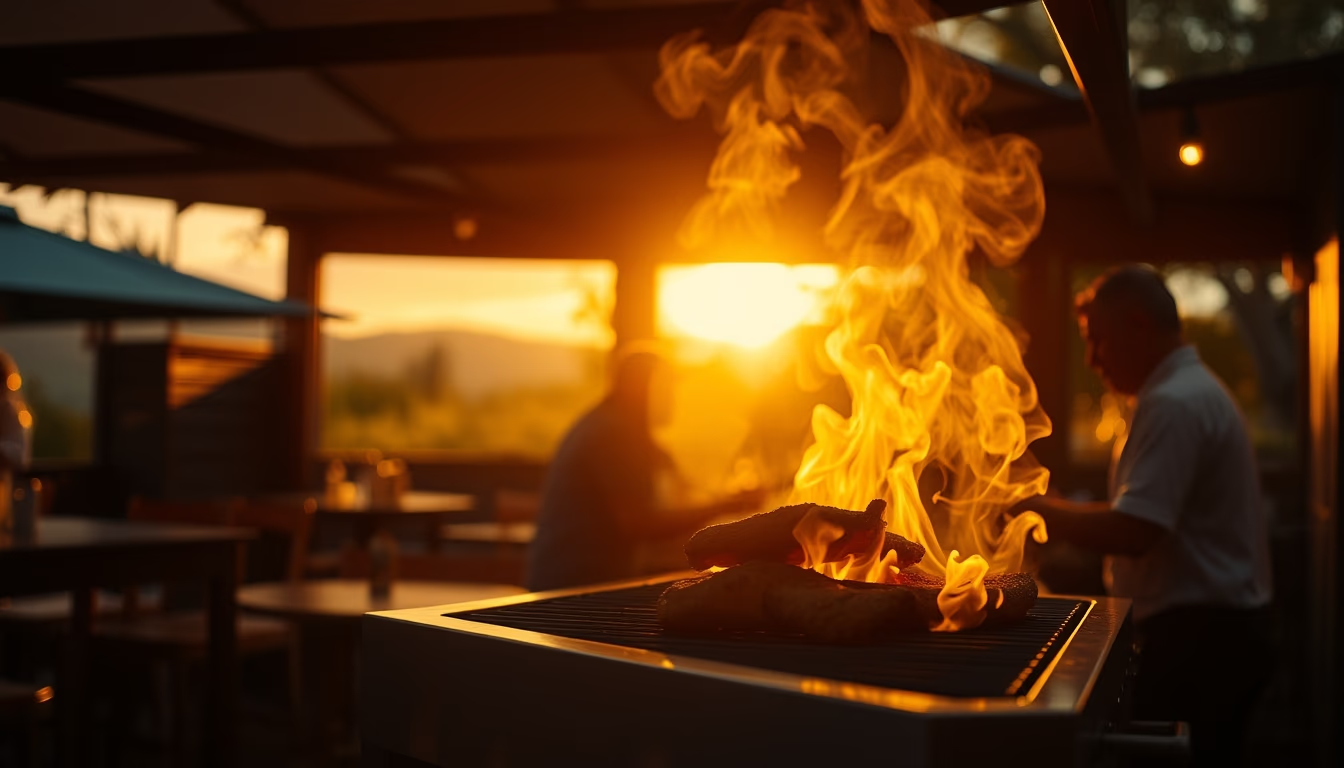
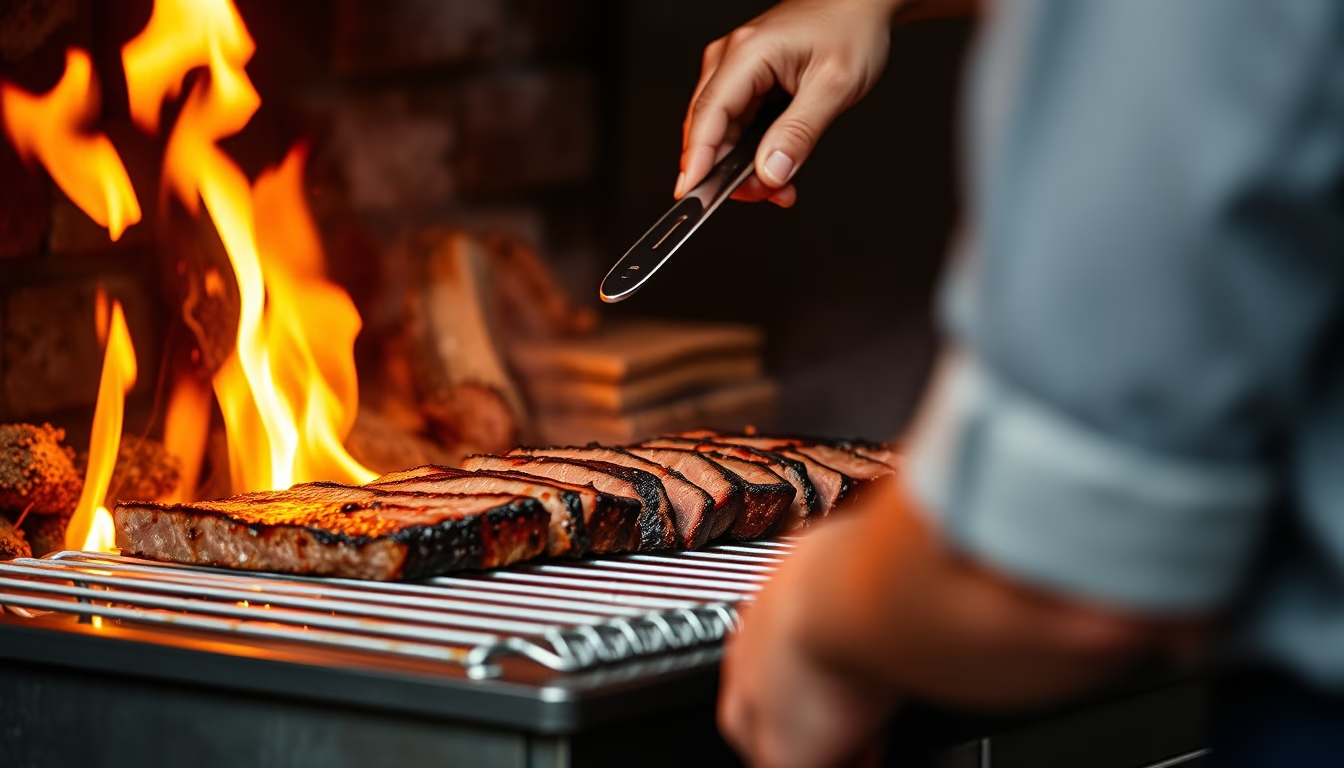
Argentine asado is a culinary tradition of slow-grilled beef cuts over embers, symbolizing gaucho culture.
About this subject
Argentine asado is far more than a simple barbecue; it is a social and gastronomic ceremony deeply rooted in the country's culture, especially in the Pampas region. The technique involves grilling whole cuts of beef, such as ribs (tira de asado), flank steak (vacio), matambre, and chorizo, on an inclined grill over wood or charcoal embers. Slow cooking at low temperature ensures the meat is juicy inside and crispy outside.
The origins of asado date back to the gauchos, nomadic cowboys of the South American plains, who roasted meat on stakes over open ground fires. Over time, the practice evolved, incorporating iron grills (parrillas) and specific cuts. Asado is traditionally served with chimichurri, a sauce made of parsley, garlic, vinegar, and oil, accompanied by bread, salads, and red Malbec wine from the Mendoza region.
Today, asado is a community event, typically held on Sundays with family and friends around the fire. The assador (or parrillero) is a respected figure responsible for controlling the fire and meat doneness. Different Argentine regions have variations: in the north, goat meat is more common; in the south, lamb. Argentine beef is world-renowned for its quality, a result of natural pastures and breeds like Angus and Hereford.
Interestingly, Argentine asado does not rely on heavy sauces; flavor comes from coarse salt and aged meat. The Sociedad Rural Argentina promotes asado competitions, and there are even parrillero schools. In 2019, the Argentine government attempted to register asado as UNESCO Intangible Cultural Heritage, highlighting its identity significance.
Frequently Asked Questions
What cuts of meat are typical in Argentine asado?
Common cuts include tira de asado (ribs), vacio (flank steak), matambre (thin flank), chorizo (sausage), morcilla (blood sausage), and osobuco (shank). Each cut has its own cooking time and position on the grill.
What is the difference between asado and Brazilian churrasco?
Argentine asado is slow-cooked over low embers, often with bones and fat. Brazilian churrasco is faster, using vertical skewers over higher heat, focusing on cuts like picanha (top sirloin).
How is traditional chimichurri prepared?
Traditional chimichurri includes chopped parsley, garlic, dried oregano, crushed red pepper, red wine vinegar, olive oil, and salt. It should rest for a few hours before serving to meld flavors.
Direct URL
https://pub-c7d6a6ea828543ac903a74a341ccb2e1.r2.dev/imagens/asado-argentine-grill-cinematic-wide-shot-fresh6.avifHow to credit
Include a visible link back to UtilizAí. Copy one of the snippets below:
<a href="https://xn--utiliza-eza.com/en/midia/imagens/asado-argentine-grill-cinematic-wide-shot-fresh6">Asado argentine grill</a> by <a href="https://xn--utiliza-eza.com">UtilizAí</a>, licensed under <a href="https://creativecommons.org/licenses/by/4.0/">CC BY 4.0</a>.
[Asado argentine grill](https://xn--utiliza-eza.com/en/midia/imagens/asado-argentine-grill-cinematic-wide-shot-fresh6) by [UtilizAí](https://xn--utiliza-eza.com), CC BY 4.0
License: CC-BY-4.0