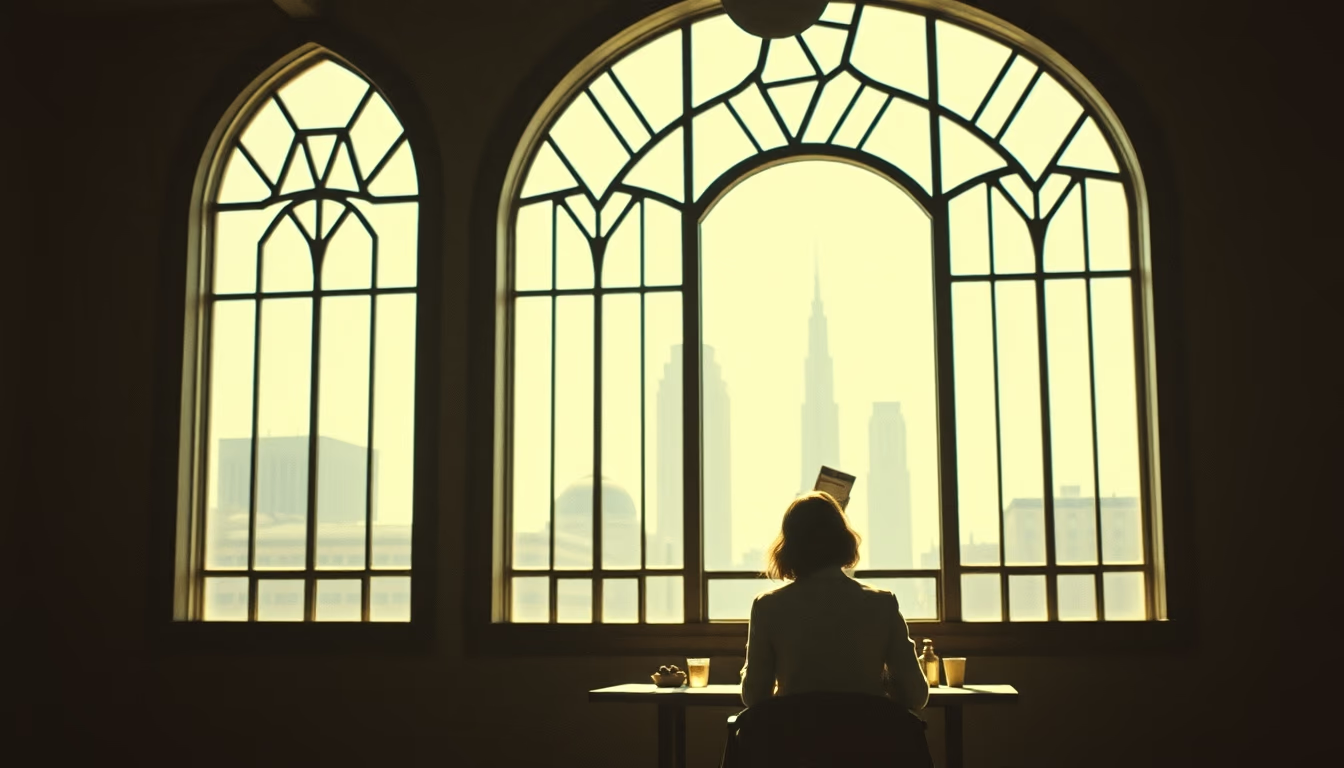
Art deco postcard
1344×768 · AVIF · CC BY 4.0
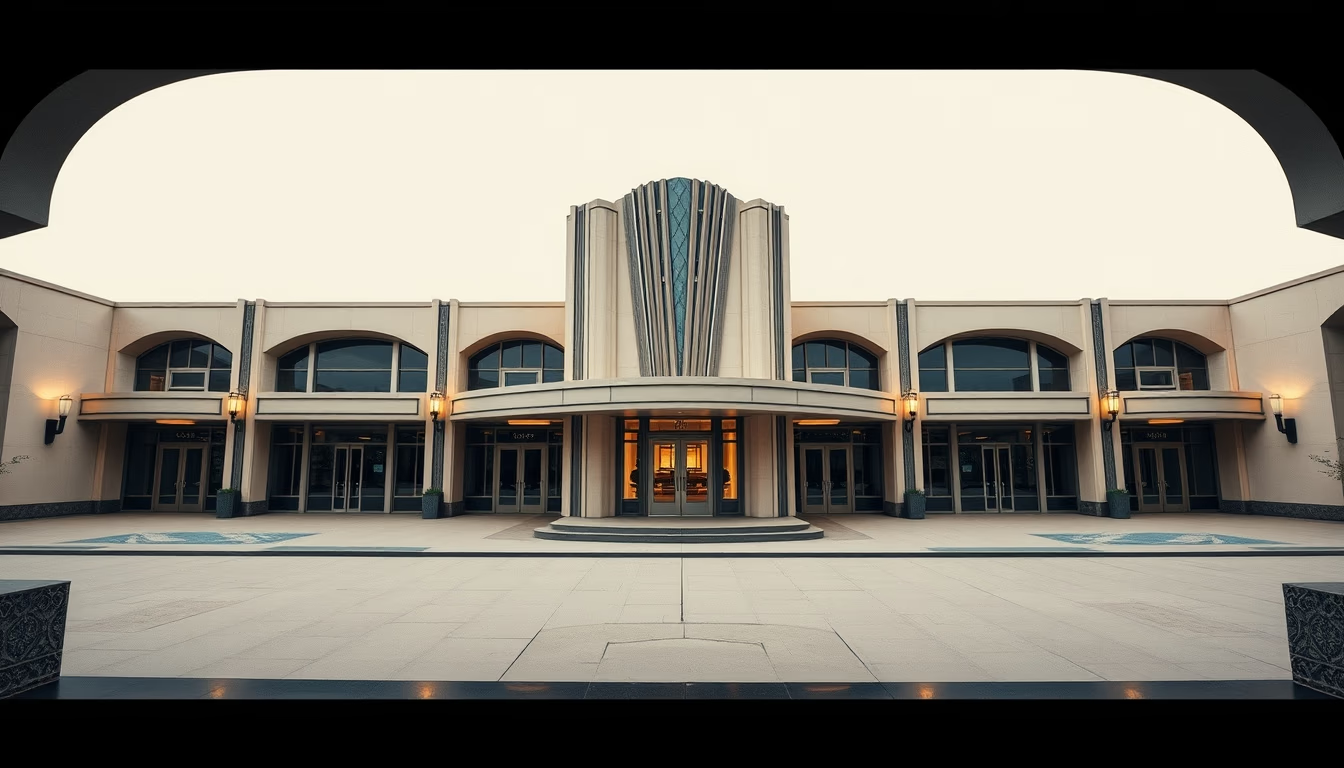
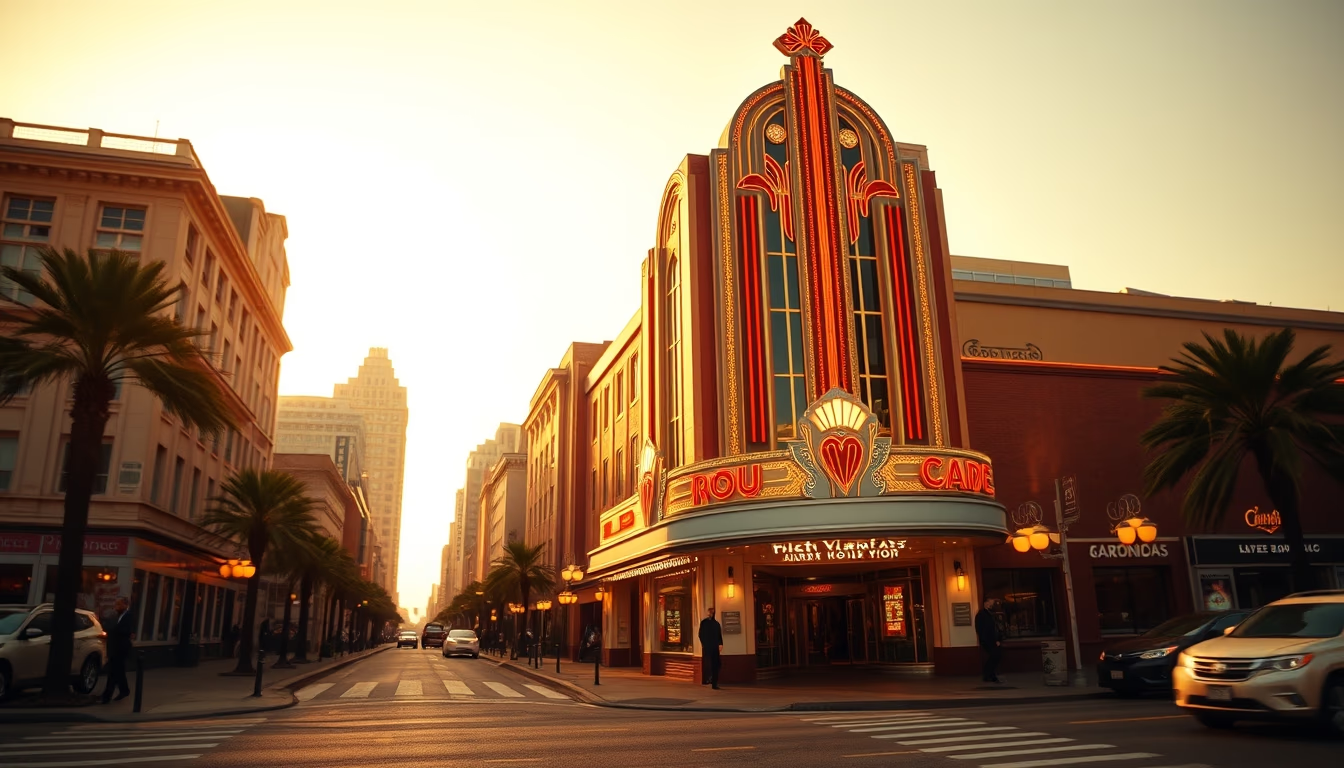
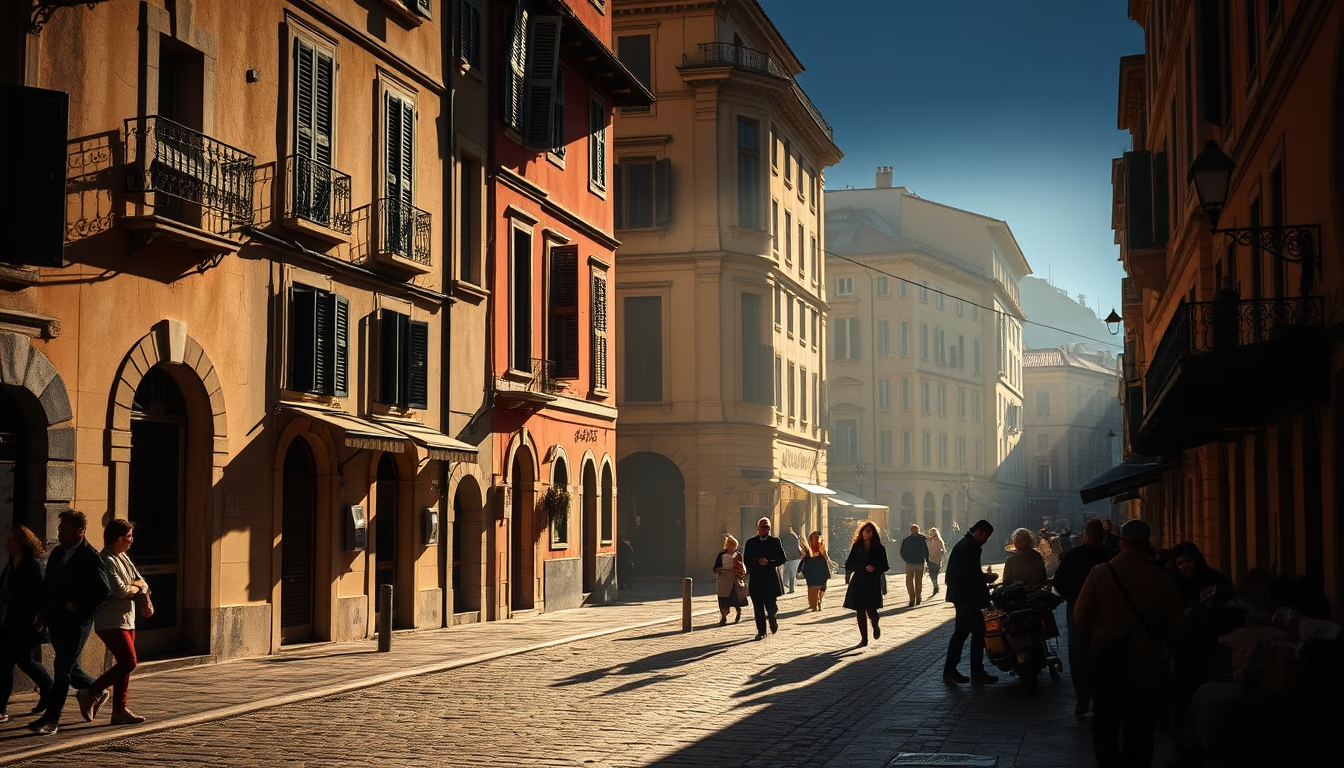
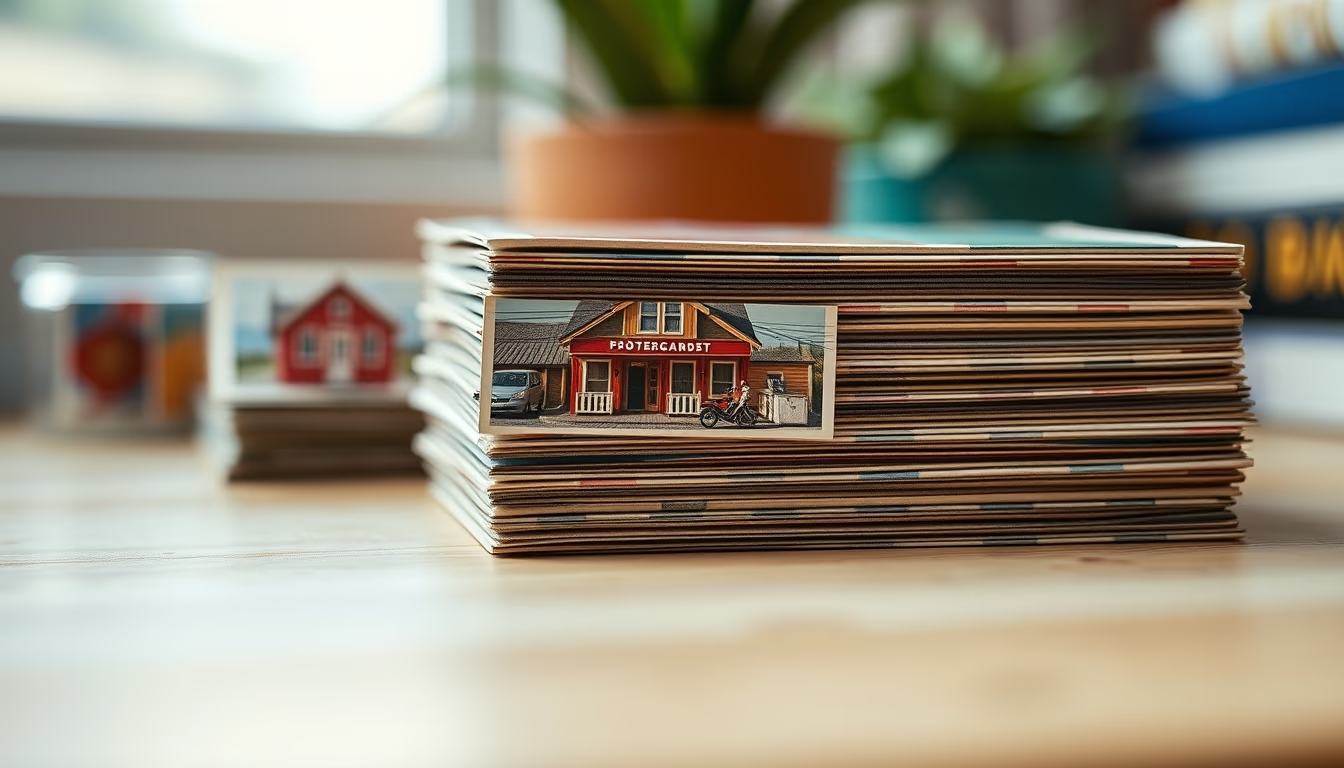
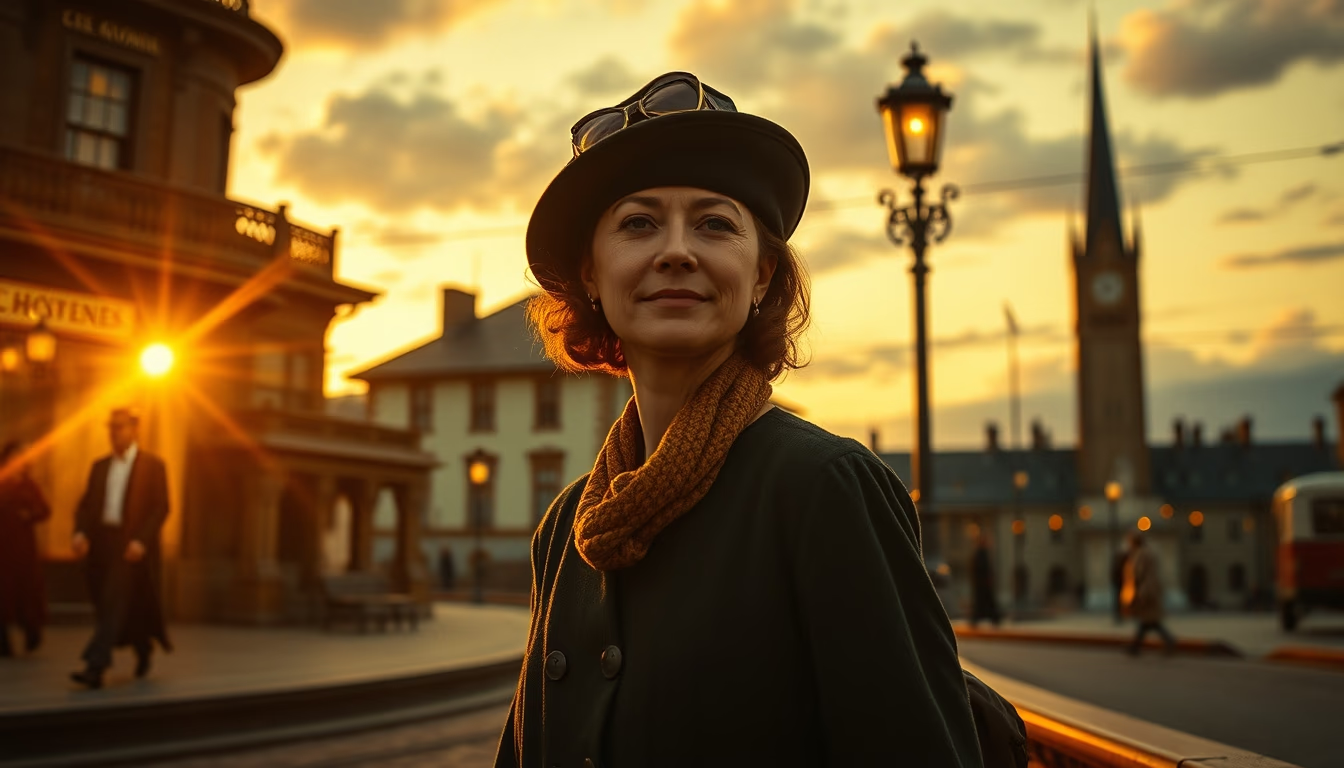
An Art Deco postcard capturing the geometric elegance and arabesques typical of the 1920s and 1930s, a symbol of modernist optimism.
About this subject
Art Deco was a design movement that flourished between 1910 and 1939, peaking in the 1920s and 1930s. Characterized by geometric shapes, straight lines, vibrant colors, and luxurious ornamentation, the style influenced architecture, interior design, fashion, and graphic arts. Iconic buildings such as the Chrysler Building in New York and the Copacabana Palace in Rio de Janeiro are striking examples of Art Deco in architecture.
Postcards played a crucial role in spreading the Art Deco style, especially in the 1930s, when travelers sent images of hotels, skyscrapers, and decorated facades to friends and family. These postcards not only recorded the modern urban landscape but also popularized Art Deco aesthetics worldwide. Many postcards were produced in vivid colors and featured ornate borders, reflecting the movement's emphasis on decoration and glamour.
Art Deco was also influenced by diverse sources, including Egyptian art (after the discovery of Tutankhamun's tomb in 1922), Cubism, Futurism, and Aztec and African cultures. This mix of references resulted in a cosmopolitan and exuberant style that celebrated technological progress and modernity. In Brazil, Art Deco left an important legacy in cities such as São Paulo, Rio de Janeiro, and Belo Horizonte, with buildings that combine simplified lines and decorative details.
The image likely depicts an original postcard from the era, showing an urban landscape or an architectural structure adorned with Art Deco motifs. The square or rectangular format, borders with geometric frames, and contrasting colors are typical features of these collectible items. Today, such postcards are valued by historians and collectors, who see them as testimonies to the visual culture of the early 20th century.
Frequently Asked Questions
What characterizes the Art Deco style in postcards?
Art Deco postcards are known for geometric shapes, straight lines, vibrant colors, and ornate borders. They often depict buildings or urban landscapes with luxurious decorative details.
Why are Art Deco postcards historically important?
They document the architecture and design of the era and helped popularize the style globally. They are visual records of modernist culture and technological optimism from the 1920s and 1930s.
Where can I find examples of Art Deco architecture in Brazil?
In Rio de Janeiro: Copacabana Palace and Edifício Guinle. In São Paulo: Edifício Martinelli and Viaduto do Chá. Belo Horizonte: Edifício Acaiaca and Cine Brasil.
Direct URL
https://pub-c7d6a6ea828543ac903a74a341ccb2e1.r2.dev/imagens/art-deco-postcard-architectural-photography-fresh8.avifHow to credit
Include a visible link back to UtilizAí. Copy one of the snippets below:
<a href="https://xn--utiliza-eza.com/en/midia/imagens/art-deco-postcard-architectural-photography-fresh8">Art deco postcard</a> by <a href="https://xn--utiliza-eza.com">UtilizAí</a>, licensed under <a href="https://creativecommons.org/licenses/by/4.0/">CC BY 4.0</a>.
[Art deco postcard](https://xn--utiliza-eza.com/en/midia/imagens/art-deco-postcard-architectural-photography-fresh8) by [UtilizAí](https://xn--utiliza-eza.com), CC BY 4.0
License: CC-BY-4.0