Art deco hotel lobby
1344×768 · AVIF · CC BY 4.0
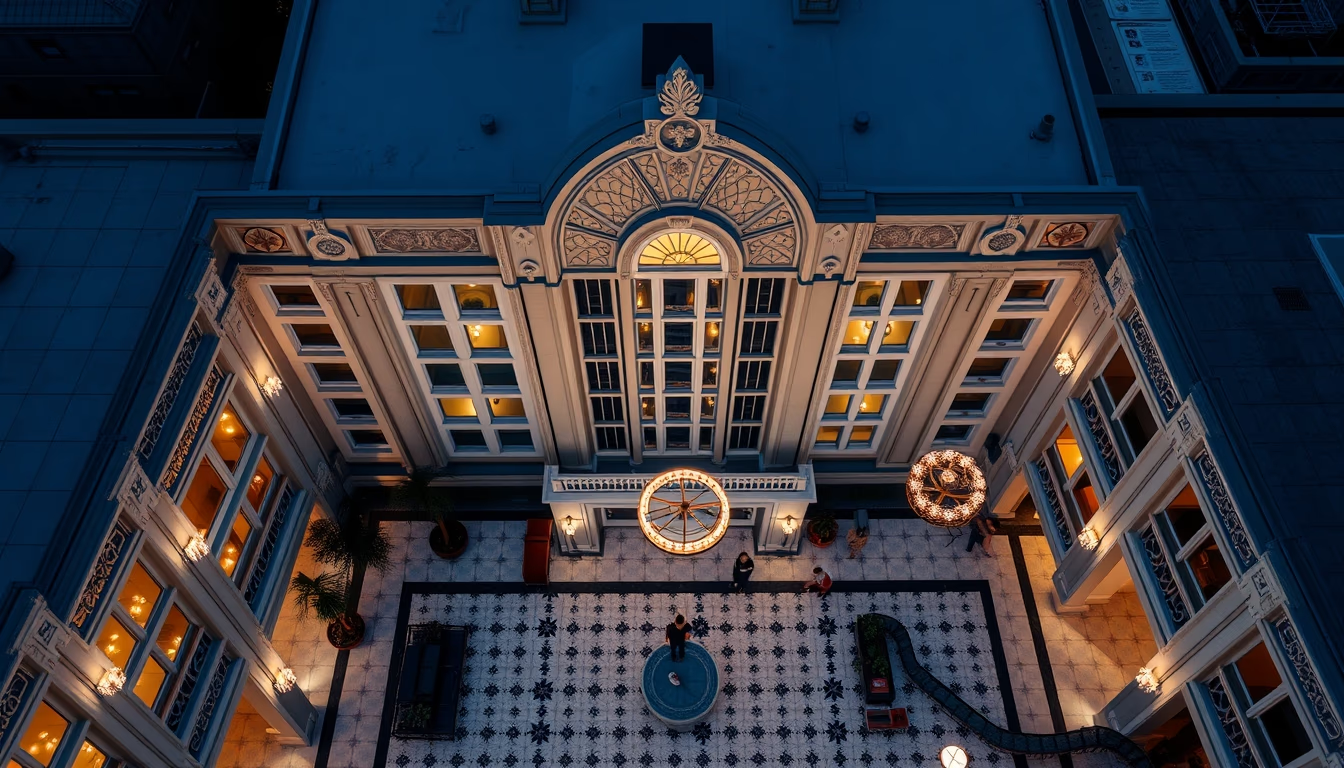
Art deco hotel lobby defined by geometric shapes, marble, and ornate chandeliers, embodying the glamour of the 1920s and 1930s.
About this subject
Art deco emerged in the 1920s following the International Exhibition of Modern Decorative and Industrial Arts in Paris and spread worldwide until the 1940s. In hotels, lobbies were designed to make an immediate impression on guests, combining luxury with functionality. Key features include symmetrical geometric forms, use of noble materials such as marble, bronze, and varnished wood, as well as colorful stained glass and crystal chandeliers. Columns often had stylized zigzag or floral capitals, and floors displayed damask or compass rose patterns.
Notable international examples include the Waldorf Astoria in New York, with its imposing lobby adorned by an art deco clock and murals; The Strand Palace Hotel in London, whose hall retains the original glass and chrome metal design; and the Hotel Nacional de Cuba in Havana, blending art deco with Caribbean influences. In Brazil, although art deco was more common in public and residential buildings, historic hotels such as the former Hotel Glória in Rio de Janeiro feature elements of the style in their common spaces. An aerial view of an art deco lobby reveals the geometric precision of floor patterns and the careful arrangement of furniture and lighting, creating a visually balanced composition.
The popularity of art deco in hotels reflects a search for an aesthetic that conveyed modernity and sophistication during the interwar period. Many of these establishments have undergone restorations to recover their original splendor, and the style continues to influence contemporary designs. Symmetry and the use of reflective materials like mirrors and polished metals help enhance the sense of space and brightness, enriching the guest experience. Photographs of art deco lobbies often highlight the interplay between artificial and natural light, emphasizing the contrasts and textures typical of the style.
Frequently Asked Questions
What are the main characteristics of an art deco hotel lobby?
Symmetrical geometric forms, use of marble, bronze, and varnished wood, colorful stained glass, crystal chandeliers, and decorative patterns such as zigzags and compass roses.
Which famous hotels have art deco lobbies?
Waldorf Astoria (New York), The Strand Palace (London), Hotel Nacional de Cuba (Havana), and in Brazil, elements can be found in the former Hotel Glória (Rio de Janeiro).
Why is art deco so popular in hotel design?
It conveys modernity and sophistication with noble materials and geometric design, creating a luxurious and timeless atmosphere that can be adapted to various scales.
Direct URL
https://pub-c7d6a6ea828543ac903a74a341ccb2e1.r2.dev/imagens/art-deco-hotel-lobby-aerial-drone-shot-p0.avifHow to credit
Include a visible link back to UtilizAí. Copy one of the snippets below:
<a href="https://xn--utiliza-eza.com/en/midia/imagens/art-deco-hotel-lobby-aerial-drone-shot-p0">Art deco hotel lobby</a> by <a href="https://xn--utiliza-eza.com">UtilizAí</a>, licensed under <a href="https://creativecommons.org/licenses/by/4.0/">CC BY 4.0</a>.
[Art deco hotel lobby](https://xn--utiliza-eza.com/en/midia/imagens/art-deco-hotel-lobby-aerial-drone-shot-p0) by [UtilizAí](https://xn--utiliza-eza.com), CC BY 4.0
License: CC-BY-4.0