Arepa colombian
1344×768 · AVIF · CC BY 4.0
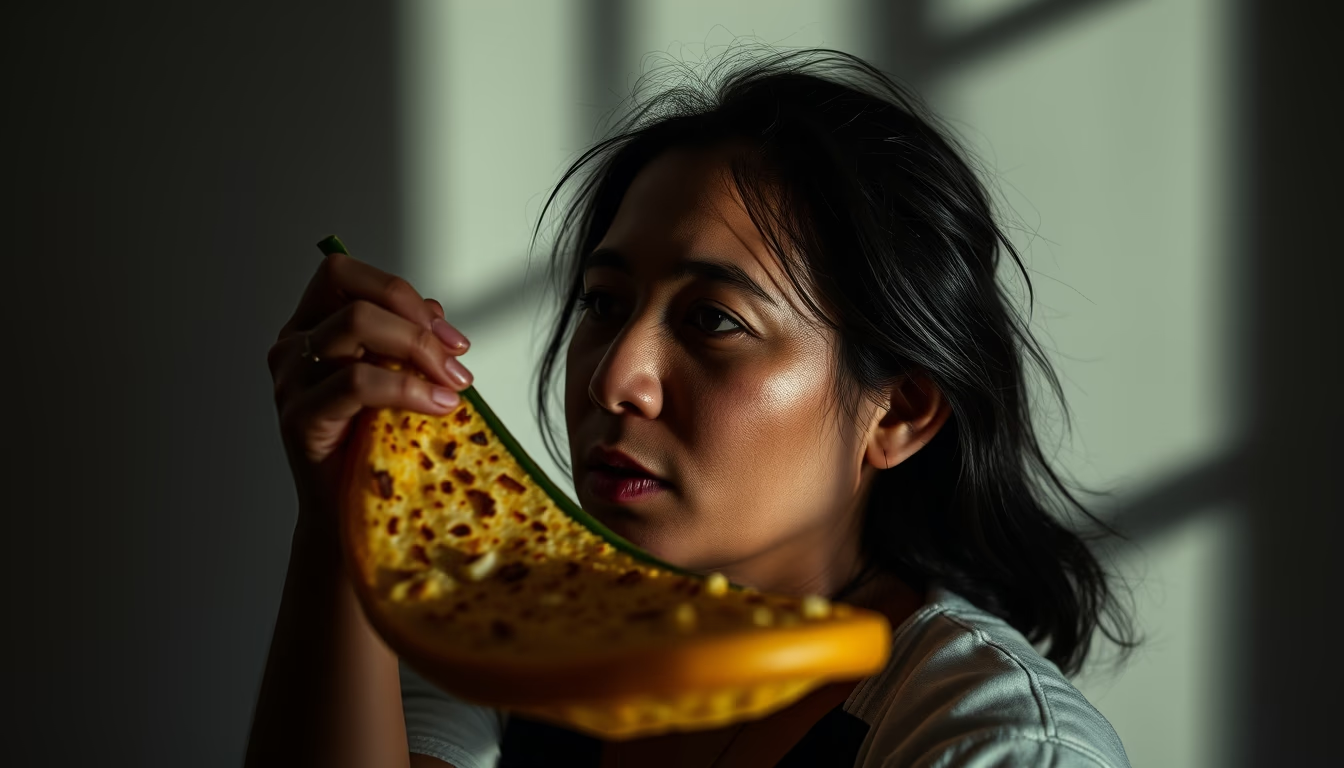
Colombian arepa is a handmade cornbread, staple of Colombian cuisine, versatile and present in all meals.
About this subject
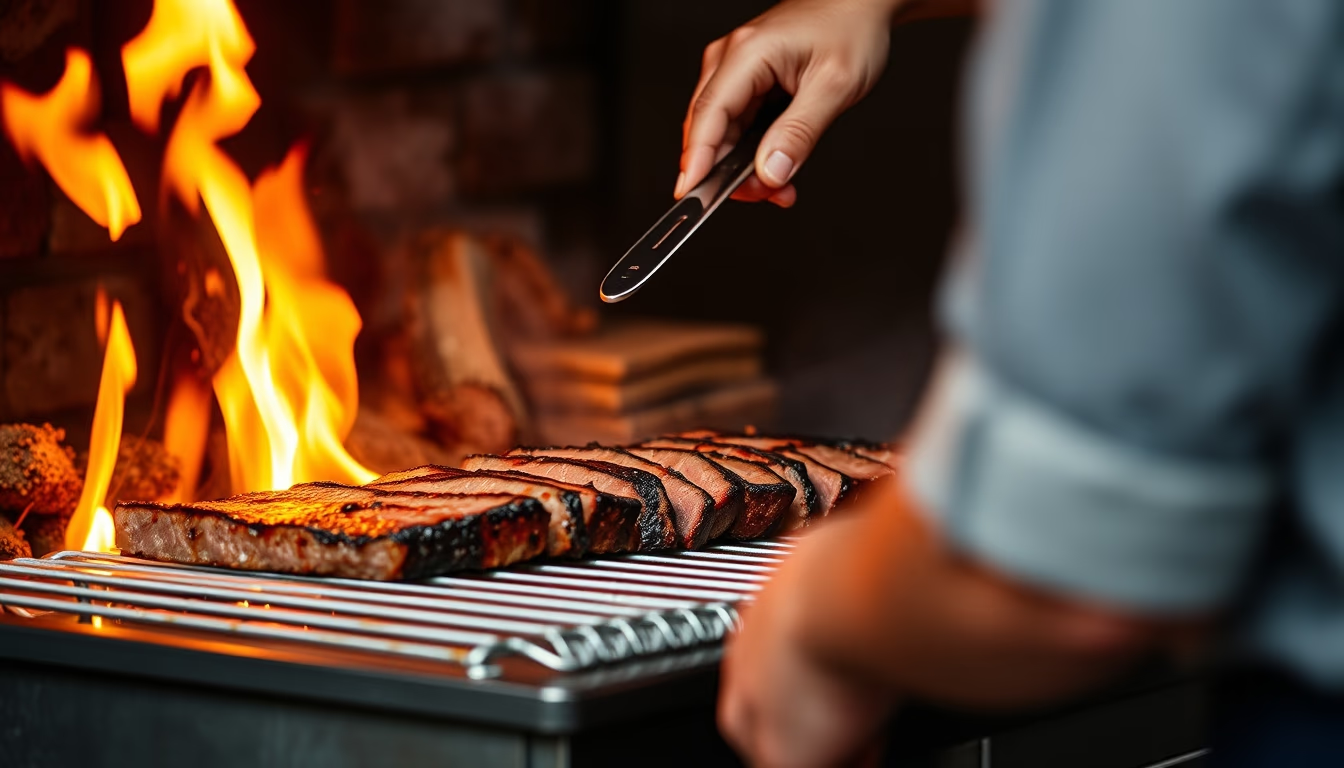
The Colombian arepa is much more than a simple cornbread. It is a cultural icon that spans generations and social classes. Traditionally made with masa de maíz (pre-cooked corn flour), the arepa is hand-shaped and grilled or fried until golden. Its origins date back to pre-Columbian indigenous peoples who inhabited what is now Colombia and Venezuela, making it one of the oldest foods in South America.
Within Colombia alone, there is huge variety. In the Antioquia region, the ‘arepa paisa’ is thicker and often eaten with butter, salt, and cheese. On the Caribbean coast, the arepa is thinner and crispier, served with fillings such as shredded beef, chicken, and avocado. In Bogotá, ‘arepas de chócolo’ are popular, made from sweet corn and topped with melted cheese, crema (sour cream), and bocadillo (guava paste).
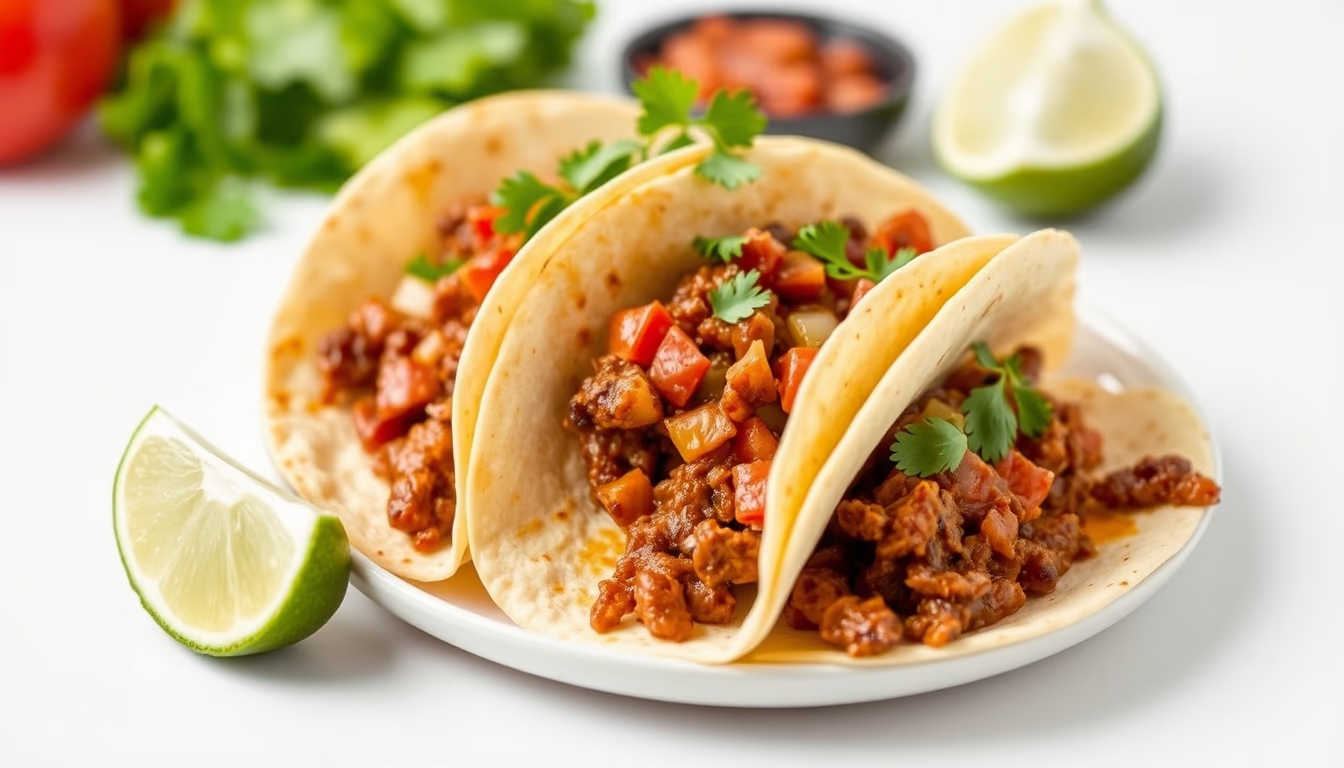
The arepa is not just for breakfast or snacks; it appears at all meals. It can be eaten plain, as a side for soups and main dishes, or turned into an ‘arepa rellena’ with various fillings. In cities like Medellín, ‘areperías’ are establishments dedicated solely to preparing arepas with endless fillings, from traditional to gourmet versions with international ingredients.
An interesting fact is that although Venezuela also claims the arepa as a national dish, the Colombian version differs in texture and preparation. While Venezuelan arepas are typically sliced open and stuffed like a sandwich, Colombian arepas often have toppings on the surface or are served as a side. Additionally, the corn flour used varies: in Colombia, the most common brand is Areparina; in Venezuela, Harina P.A.N. is preferred.
Frequently Asked Questions
What is the difference between Colombian and Venezuelan arepas?
Colombian arepas are usually thinner and not split open, served as a side or with toppings on top. Venezuelan arepas are thicker, cut in half, and stuffed like a sandwich. The type of corn flour also differs: Areparina is common in Colombia, while Harina P.A.N. is preferred in Venezuela.
How is the arepa dough prepared?
The dough is made with pre-cooked corn flour, water, and salt. It is mixed until smooth, formed into discs, and cooked on a griddle or skillet with oil until golden brown on both sides. Cheese or sweet corn (choclo) can be added to the dough for variations.
What are typical fillings for Colombian arepas?
Classic fillings include cheese, butter, hogao (tomato and onion sauce), shredded beef, chicharrón (pork crackling), avocado, and scrambled eggs. In the Andean region, honey and bocadillo (guava paste) are common sweet toppings.
Direct URL
https://pub-c7d6a6ea828543ac903a74a341ccb2e1.r2.dev/imagens/arepa-colombian-rembrandt-lighting-dramatic-shadows-fresh7.avifHow to credit
Include a visible link back to UtilizAí. Copy one of the snippets below:
<a href="https://xn--utiliza-eza.com/en/midia/imagens/arepa-colombian-rembrandt-lighting-dramatic-shadows-fresh7">Arepa colombian</a> by <a href="https://xn--utiliza-eza.com">UtilizAí</a>, licensed under <a href="https://creativecommons.org/licenses/by/4.0/">CC BY 4.0</a>.
[Arepa colombian](https://xn--utiliza-eza.com/en/midia/imagens/arepa-colombian-rembrandt-lighting-dramatic-shadows-fresh7) by [UtilizAí](https://xn--utiliza-eza.com), CC BY 4.0
License: CC-BY-4.0