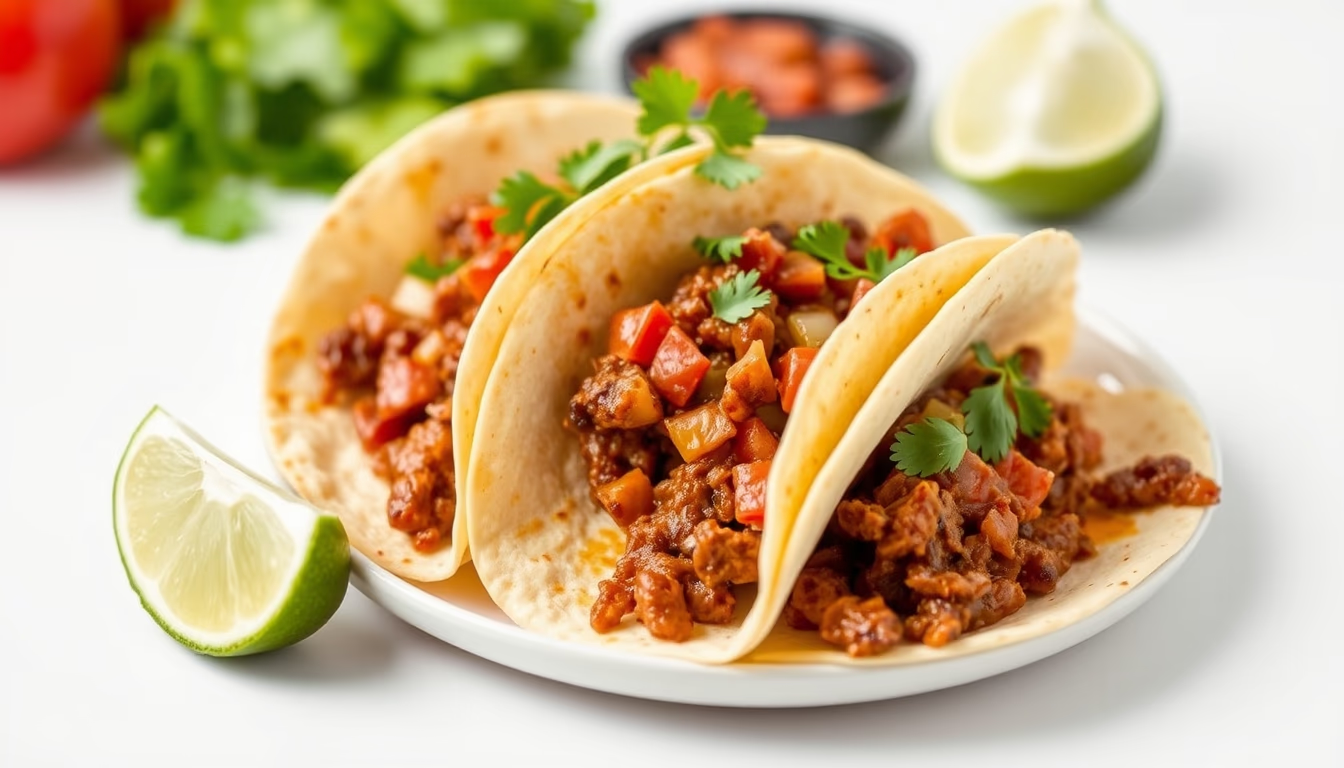
Arepa colombian
1344×768 · AVIF · CC BY 4.0
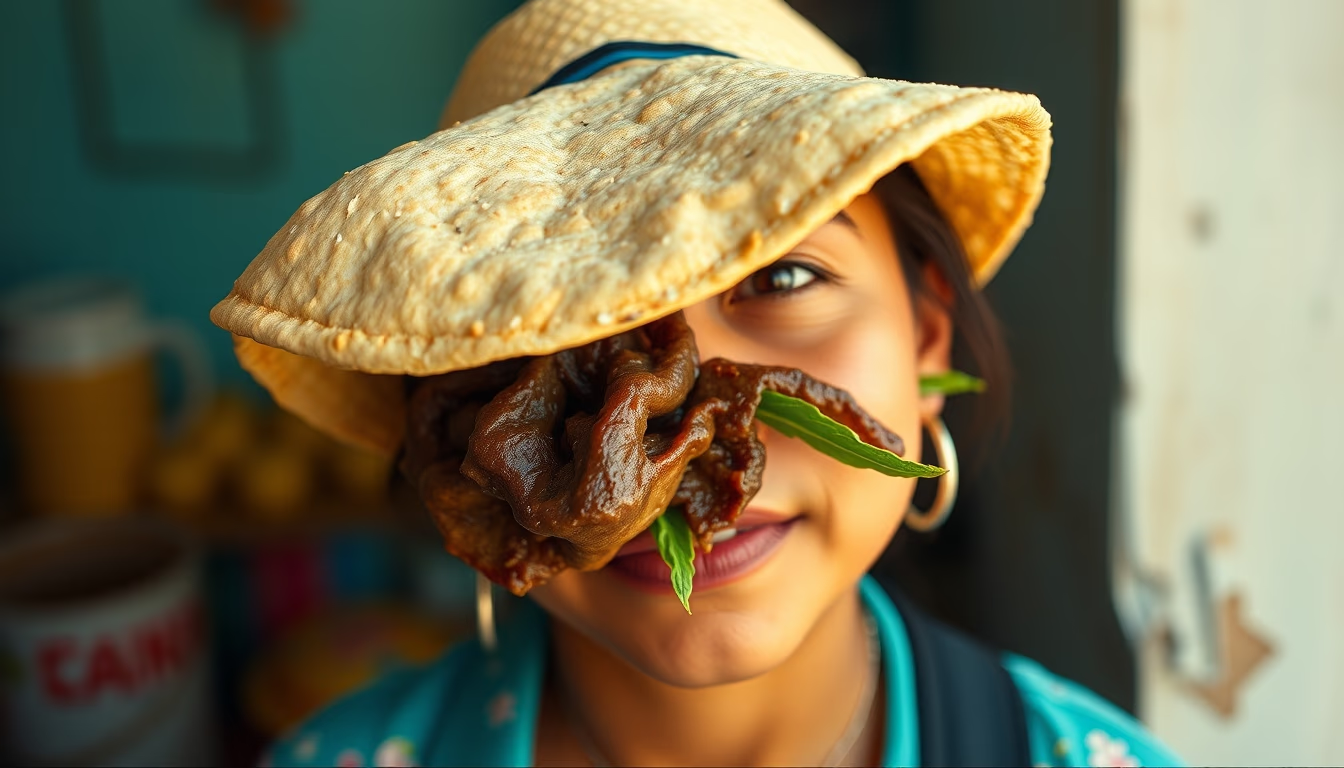
The Colombian arepa is a versatile corn bread consumed daily across the country. It can be simple or stuffed with cheese, meat, eggs, or avocado.
About this subject
The arepa is an ancestral food, with origins dating back to indigenous civilizations of the Andean region long before the arrival of Europeans. In Colombia, it is a cornerstone of national cuisine, present at breakfast, lunch, and dinner. Made from masa de maíz (pre-cooked corn flour), the arepa is essentially a corn disk that can be grilled, fried, baked, or boiled. Its simplicity hides a vast regional variety. In the Andean region, arepas are typically thicker and may be served with butter, costeño cheese, hogao (tomato and onion sauce), or suadero (pork). On the Caribbean coast, arepas de huevo are famous: the arepa is fried, opened, stuffed with an egg, and fried again. In the Llanos region, arepas are thinner and crispier.
The arepa is not just a side dish; it often takes center stage in meals. The arepa rellena is a stuffed arepa sandwich filled with ingredients like shredded beef, chicken, chicharrón, cheese, beans, avocado, egg, and sauces. Street carts selling arepas rellenas are common throughout Colombia, especially in cities like Bogotá, Medellín, and Cali. Moreover, the arepa adapts to modern diets as it is naturally gluten-free, made only from corn, water, and salt. Pre-cooked flour versions even facilitate quick preparation.
Historically, the arepa holds strong cultural significance. There are celebrations like Colombia's National Arepa Day in September. The arepa is also a symbol of national identity, similar to bread in European culture. Although consumed in several Latin American countries, each has its own version. The Colombian arepa differs from the Venezuelan, for example, by being generally thicker and larger. While the Venezuelan arepa is thinner and often cut in half to stuff, the Colombian is more substantial and often eaten plain or with toppings. The corn used also varies: in Colombia, white or yellow corn is used, and the dough is made with water and salt, without milk or fat (unlike some Venezuelan versions).
The versatility of the arepa allows for endless combinations. It can be sweet, with arequipe (dulce de leche) or bocadillo (guava paste), or savory, with all kinds of proteins and vegetables. In modern Colombia, chefs reinvent the arepa with gourmet ingredients such as mushrooms, imported cheeses, and specialty meats. Yet the traditional arepa remains a democratic food, enjoyed by all social classes. Its quick and easy preparation and neutral flavor make it a blank canvas for regional flavors.
Frequently Asked Questions
What is the difference between Colombian and Venezuelan arepas?
Colombian arepas are usually thicker and larger, while Venezuelan arepas are thinner and often split open to be stuffed. Also, Colombian dough typically uses only water and salt, whereas Venezuelan may include milk or fat.
Is the arepa gluten-free?
Yes, traditional arepas are made solely from corn, water, and salt, making them naturally gluten-free. However, one should ensure the corn flour used hasn't been cross-contaminated during processing.
What are the most common fillings for arepa rellena in Colombia?
Popular fillings include shredded beef (carne desmechada), chicken, chicharrón (fried pork belly), cheese, beans, avocado, fried egg, and sauces like hogao and mayonnaise. Often multiple ingredients are combined.
Direct URL
https://pub-c7d6a6ea828543ac903a74a341ccb2e1.r2.dev/imagens/arepa-colombian-lo-fi-disposable-camera-fresh1.avifHow to credit
Include a visible link back to UtilizAí. Copy one of the snippets below:
<a href="https://xn--utiliza-eza.com/en/midia/imagens/arepa-colombian-lo-fi-disposable-camera-fresh1">Arepa colombian</a> by <a href="https://xn--utiliza-eza.com">UtilizAí</a>, licensed under <a href="https://creativecommons.org/licenses/by/4.0/">CC BY 4.0</a>.
[Arepa colombian](https://xn--utiliza-eza.com/en/midia/imagens/arepa-colombian-lo-fi-disposable-camera-fresh1) by [UtilizAí](https://xn--utiliza-eza.com), CC BY 4.0
License: CC-BY-4.0