Archaeological dig site
1344×768 · AVIF · CC BY 4.0
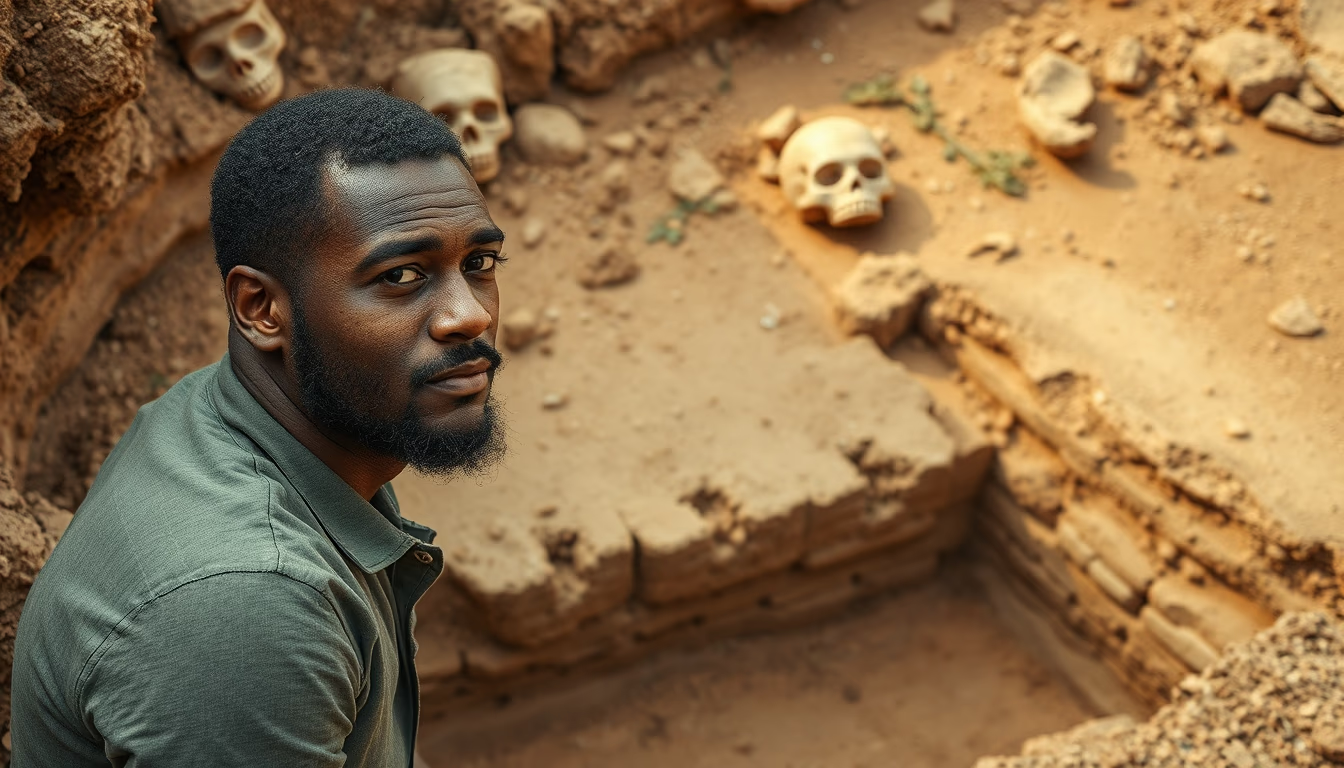
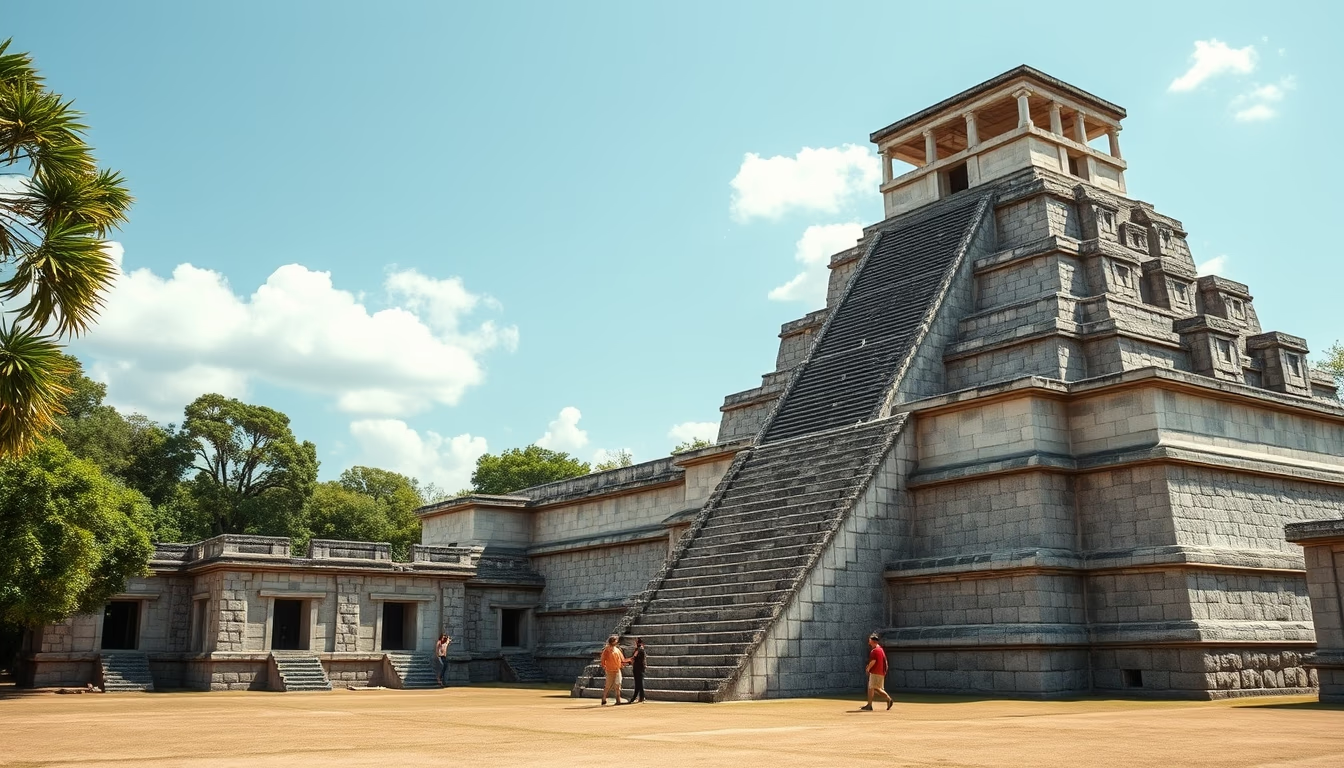
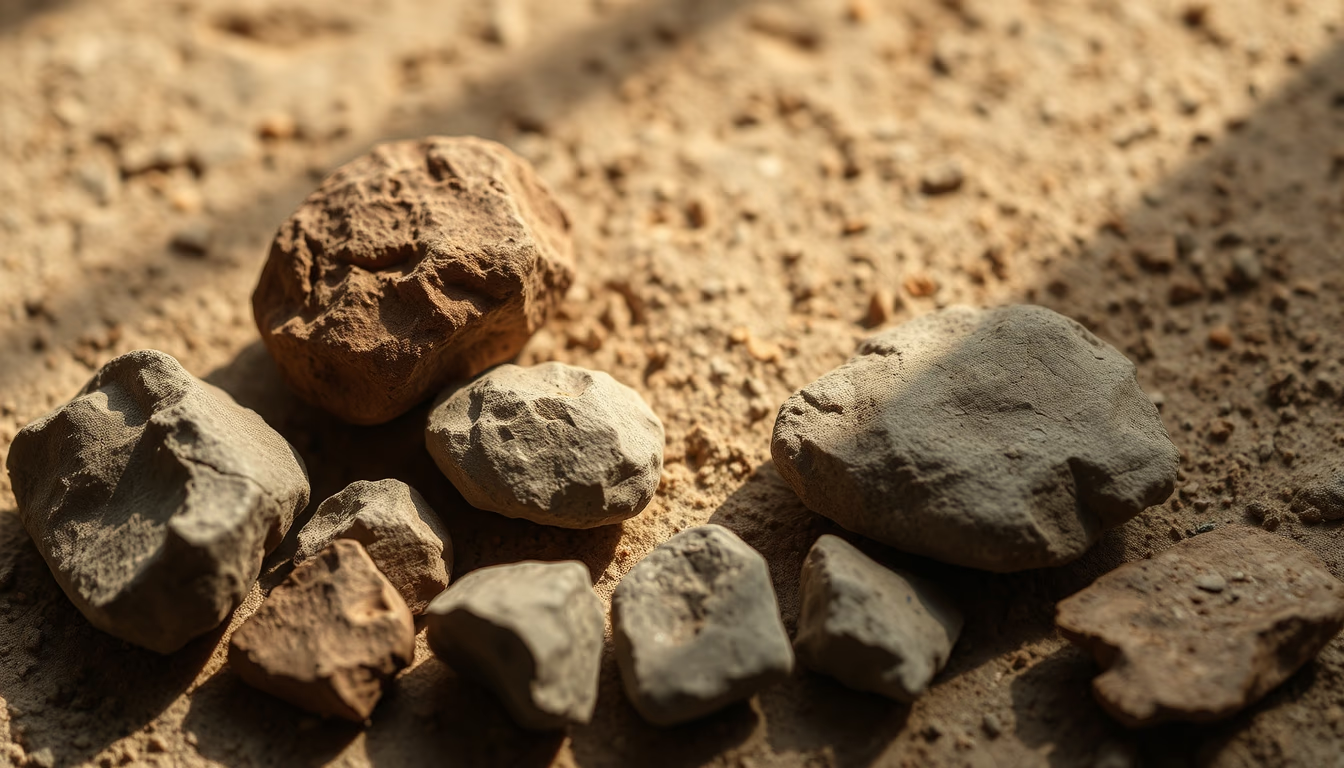
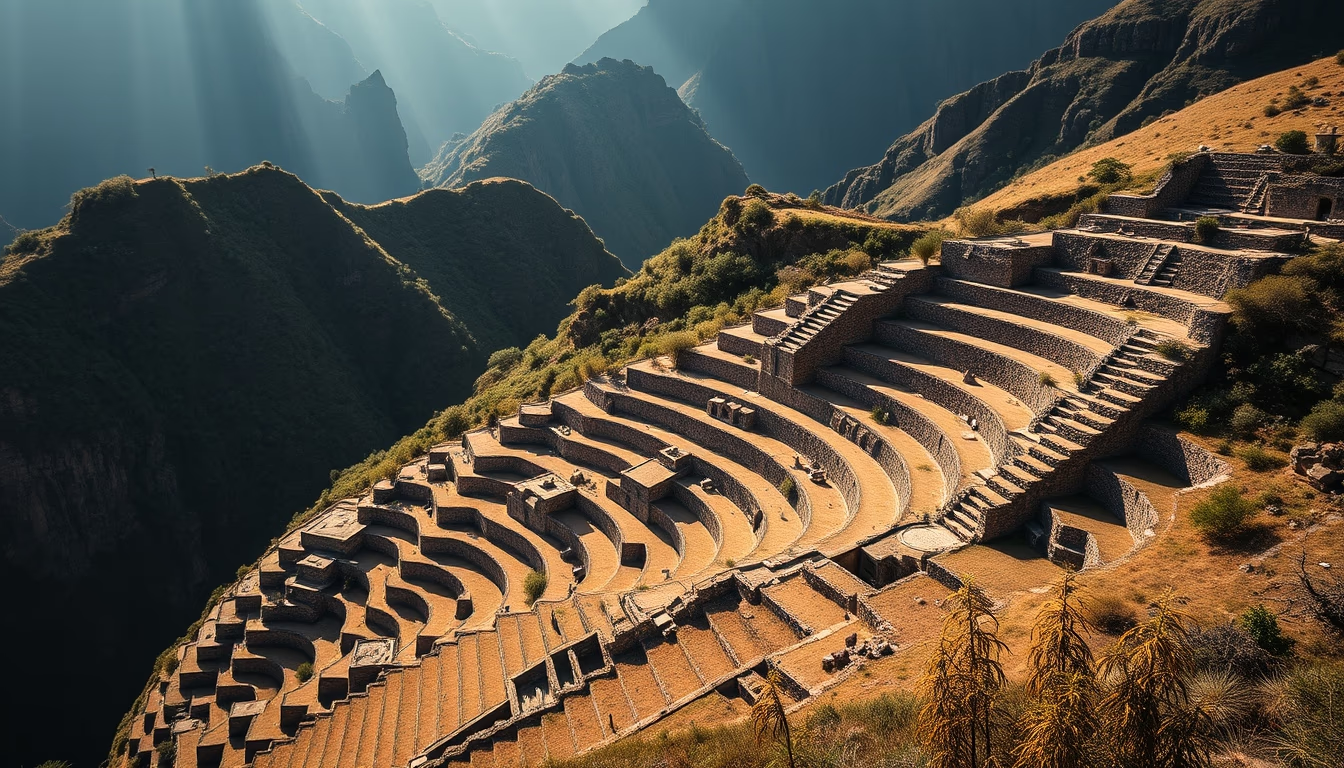
Archaeological dig sites uncover material remains of the human past, enabling the reconstruction of ancient cultures and societies.
About this subject
Archaeological excavation involves the systematic exposure and recording of soil layers containing artifacts, structures, and ecofacts. Each site offers a unique temporal window, often dated via radiocarbon or thermoluminescence. Notable sites like Pompeii preserve Roman daily life under volcanic ash, while the Göbekli Tepe in Turkey challenges assumptions about early human societies with its monumental stone circles dating to 10,000 BCE. Stratigraphy remains a core principle: deeper layers are older. Tools such as trowels, brushes, and total stations ensure precision. Documentation includes photography, drawings, and subsequent lab analysis. Large-scale projects like the Terracotta Army in China or Machu Picchu in Peru draw global attention, but smaller sites are equally vital for understanding regional histories. Threats include looting, urban development, and climate change. Rescue archaeology before construction helps salvage data. Underwater archaeology, from shipwrecks in the Baltic to sunken cities like Thonis-Heracleion in Egypt, reveals trade networks and cultural interactions. Every excavation is irreversible; once dug, the in-situ context is lost, underscoring the need for thorough recording and publication.
Frequently Asked Questions
How do archaeologists know where to dig?
They use methods such as geophysical survey, ground-penetrating radar, analysis of aerial photos or satellite imagery, and surface clues like pottery fragments or vegetation changes.
What is the difference between an archaeological site and a paleontological site?
Archaeological sites contain traces of human activity, such as tools, structures, or artifacts. Paleontological sites preserve fossils of prehistoric organisms without direct human involvement.
How long does an archaeological excavation take?
It depends on the site's size and research goals. It can last weeks, months, or decades. Excavations at complex sites like ancient cities often continue for generations of researchers.
Direct URL
https://pub-c7d6a6ea828543ac903a74a341ccb2e1.r2.dev/imagens/archaeological-dig-site-national-geographic-style-p4.avifHow to credit
Include a visible link back to UtilizAí. Copy one of the snippets below:
<a href="https://xn--utiliza-eza.com/en/midia/imagens/archaeological-dig-site-national-geographic-style-p4">Archaeological dig site</a> by <a href="https://xn--utiliza-eza.com">UtilizAí</a>, licensed under <a href="https://creativecommons.org/licenses/by/4.0/">CC BY 4.0</a>.
[Archaeological dig site](https://xn--utiliza-eza.com/en/midia/imagens/archaeological-dig-site-national-geographic-style-p4) by [UtilizAí](https://xn--utiliza-eza.com), CC BY 4.0
License: CC-BY-4.0