Archaeological dig site
1344×768 · AVIF · CC BY 4.0
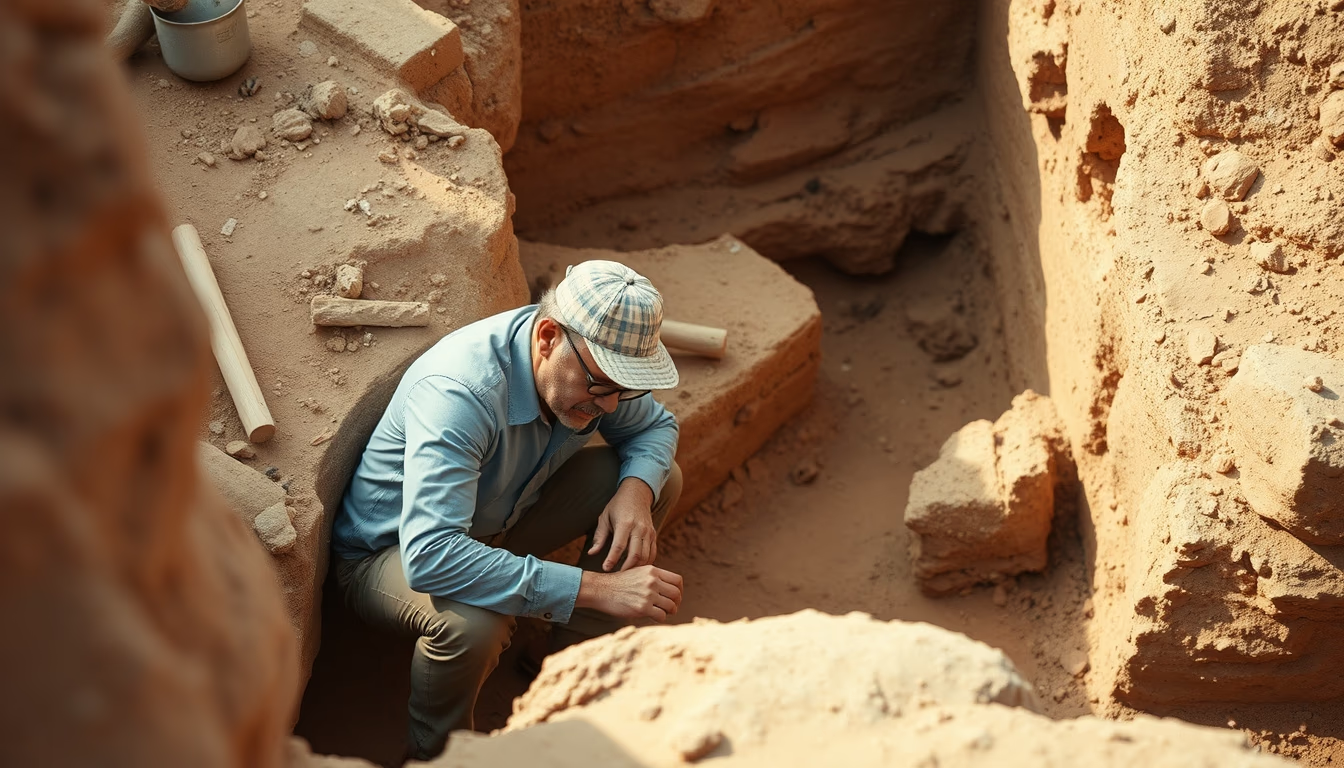
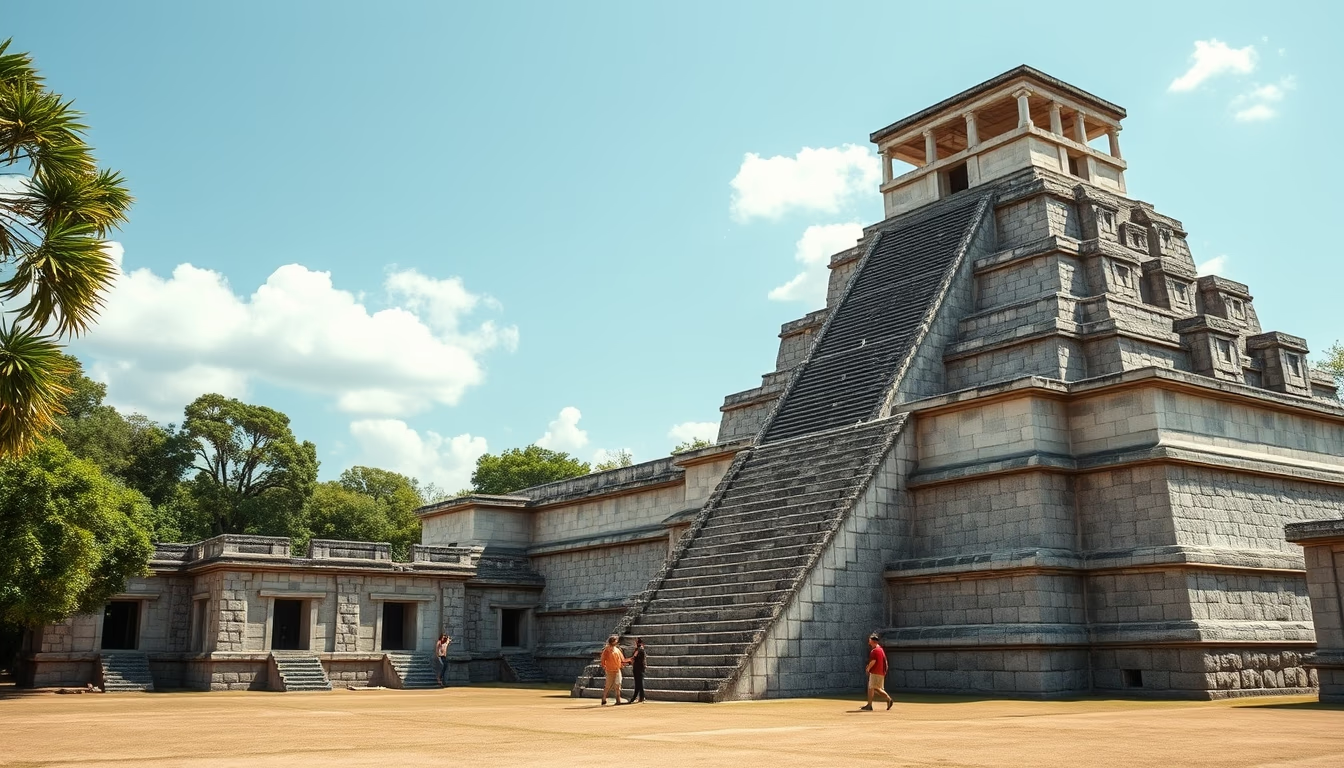
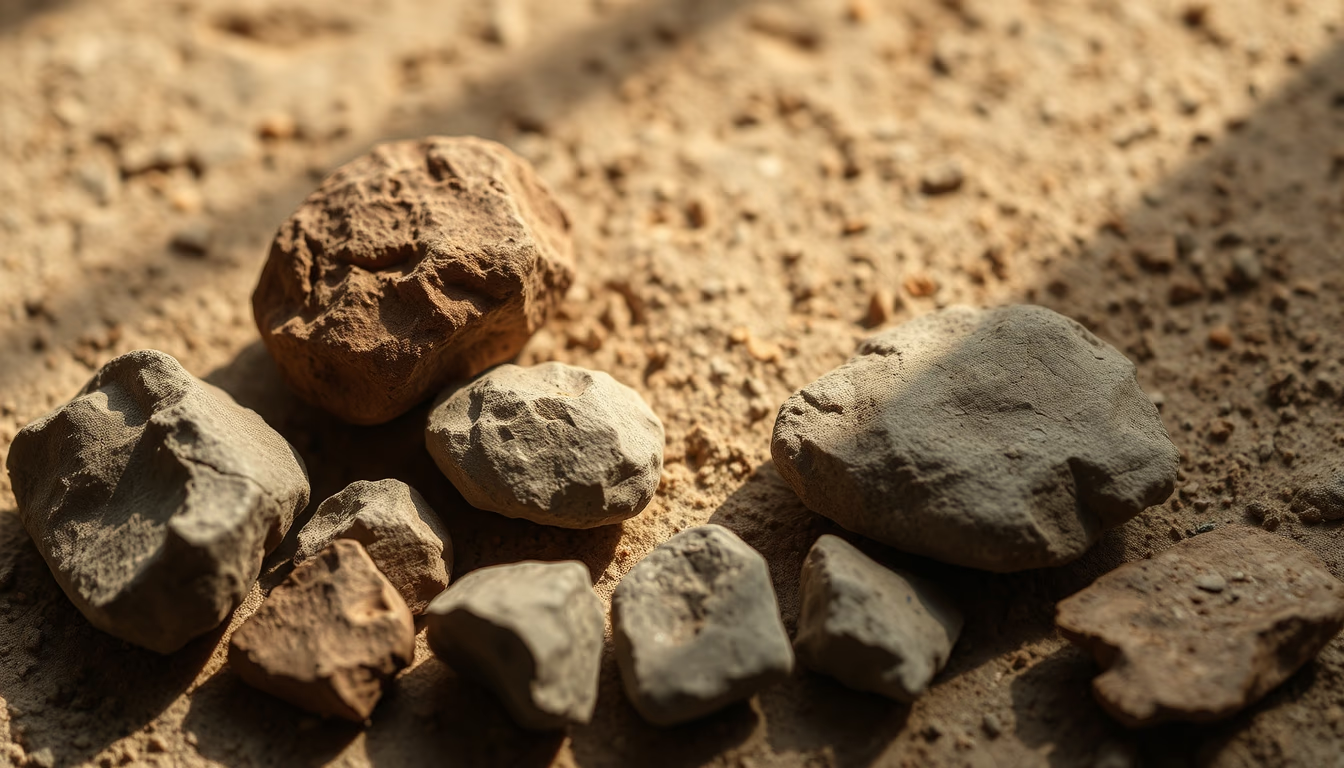
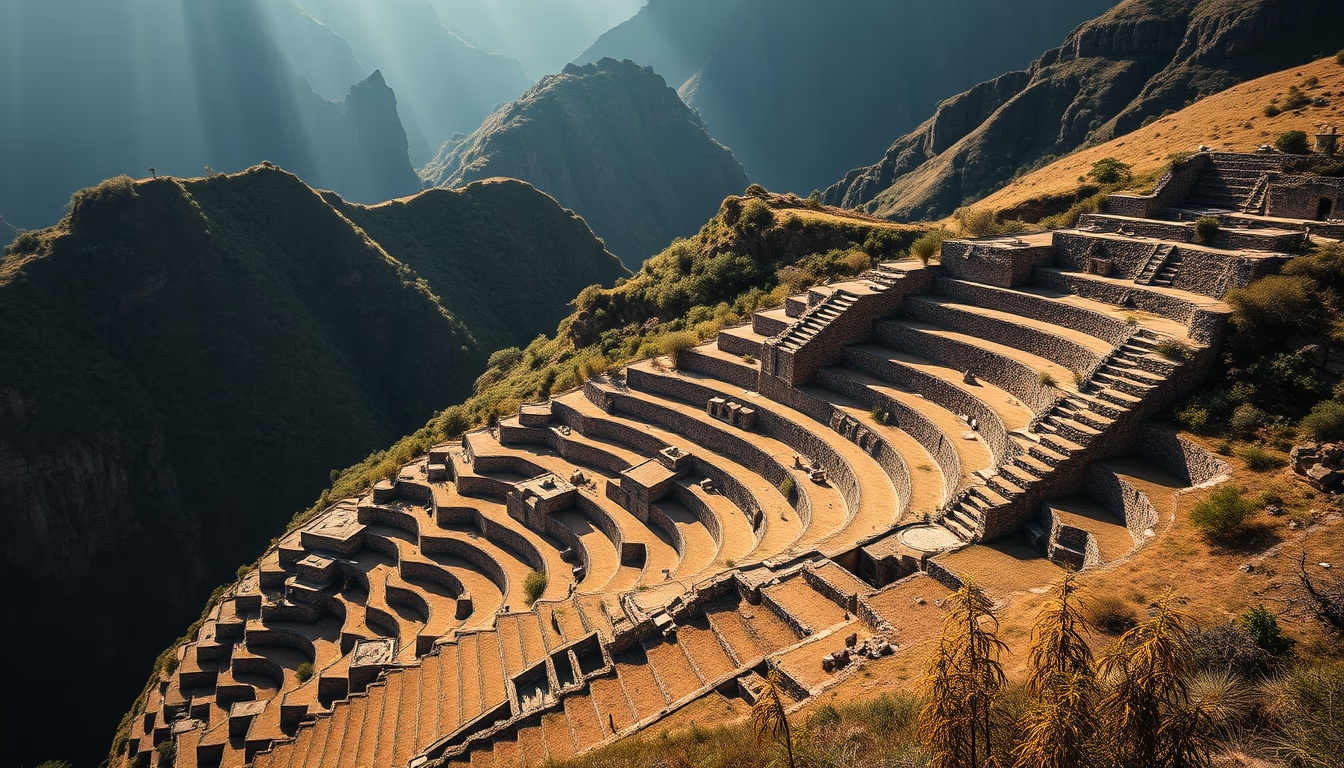
Archaeological sites are areas where human past remains are excavated and studied, revealing ancient cultures, technologies, and ways of life.
About this subject
An archaeological site is any location containing material evidence of past human activities, from stone tools to monumental structures. Systematic excavation by strata (layers) allows dating and contextualizing these findings. In Brazil, sites such as Lapa do Santo (Minas Gerais) and Sítio do Meio (Piauí) have yielded human fossils and artifacts up to 12,000 years old, essential for understanding the peopling of the Americas.
Globally, methods like grid squares, stratigraphy, and radiocarbon dating are standard. Famous sites such as Pompeii (Italy), Machu Picchu (Peru), and Göbekli Tepe (Turkey) have transformed our understanding of ancient civilizations. Each excavation requires meticulous recording of position, depth, and object associations.
Preservation faces challenges like looting, urbanization, and climate change. In Brazil, IPHAN (Institute of National Historical and Artistic Heritage) regulates research and protection, requiring prior authorization for any intervention. Collaboration with local communities is also crucial to prevent damage.
Archaeology contributes to fields such as human paleontology, history of technology, and rock art. Studies of sites like Serra da Capivara (Piauí) revealed rock paintings up to 29,000 years old, challenging theories about the peopling of the Americas. Each discovery adds pieces to the puzzle of the human journey.
Frequently Asked Questions
How is an archaeological site discovered?
They can be found by chance during construction or through systematic survey, including satellite imagery, remote sensing, and field walking. In Brazil, many sites are identified by IPHAN researchers or universities.
What are the main excavation techniques?
They include using grid squares, excavation by artificial or natural levels (stratigraphy), sediment sieving, and three-dimensional recording of each artifact. Dating methods like radiocarbon and thermoluminescence help establish chronologies.
Why is it important to preserve archaeological sites?
They are unique sources of information about extinct cultures, human evolution, and environmental adaptations. Destruction of a site can erase irrecoverable evidence of our collective past.
Direct URL
https://pub-c7d6a6ea828543ac903a74a341ccb2e1.r2.dev/imagens/archaeological-dig-site-film-grain-authentic-p7.avifHow to credit
Include a visible link back to UtilizAí. Copy one of the snippets below:
<a href="https://xn--utiliza-eza.com/en/midia/imagens/archaeological-dig-site-film-grain-authentic-p7">Archaeological dig site</a> by <a href="https://xn--utiliza-eza.com">UtilizAí</a>, licensed under <a href="https://creativecommons.org/licenses/by/4.0/">CC BY 4.0</a>.
[Archaeological dig site](https://xn--utiliza-eza.com/en/midia/imagens/archaeological-dig-site-film-grain-authentic-p7) by [UtilizAí](https://xn--utiliza-eza.com), CC BY 4.0
License: CC-BY-4.0