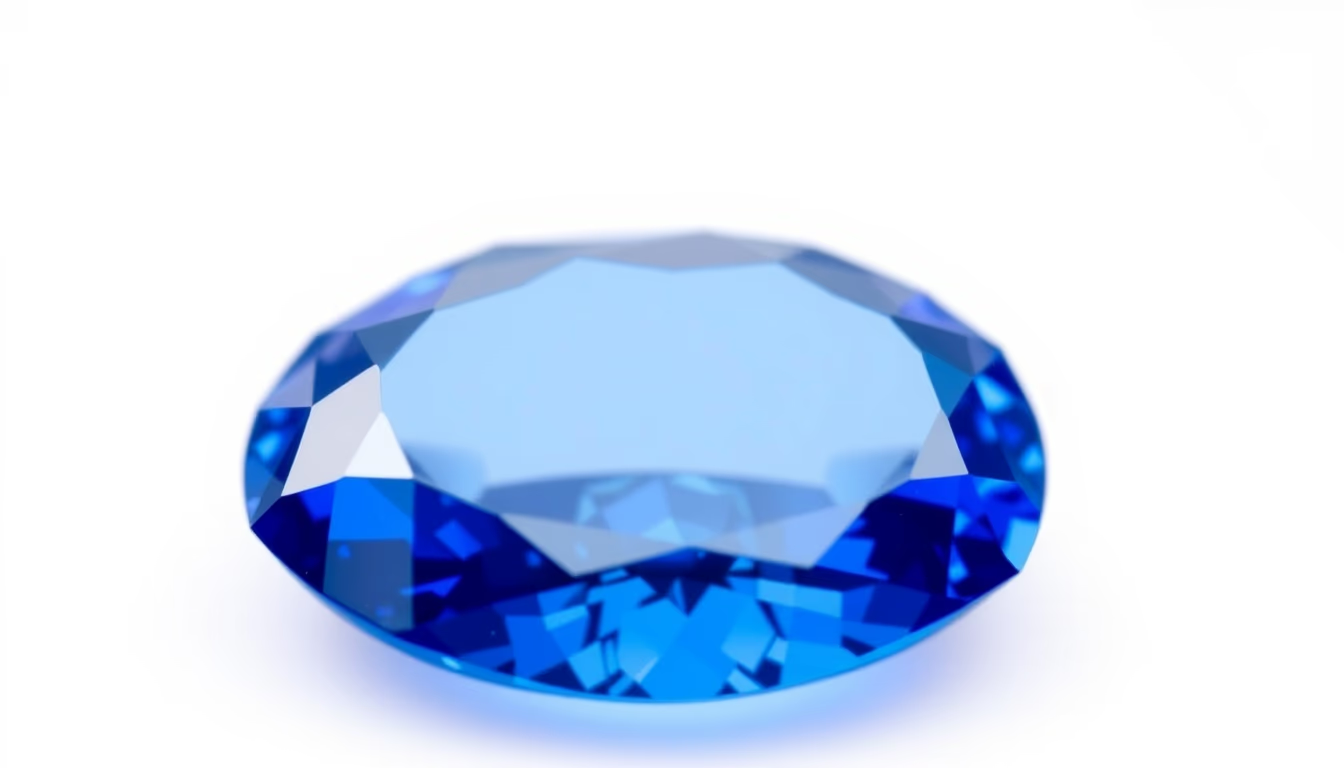
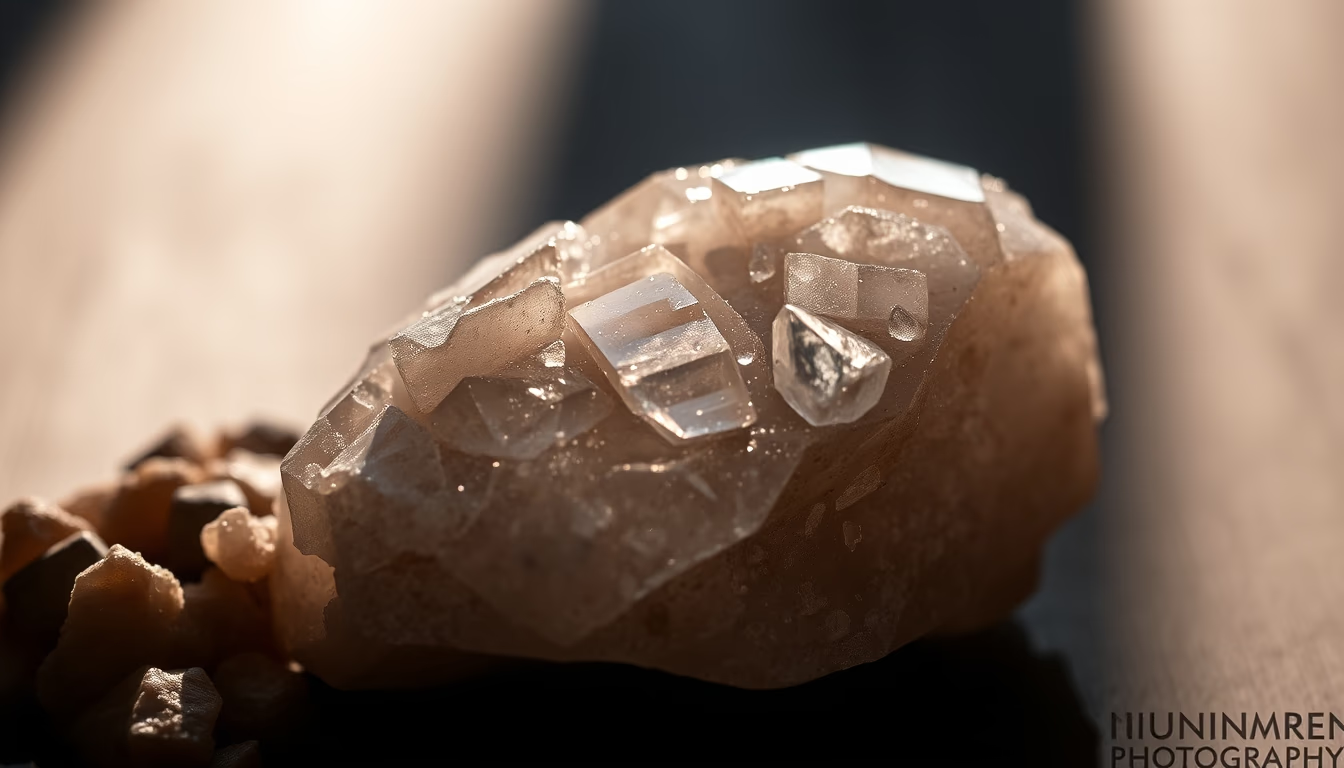
Aquamarine pale blue
1344×768 · AVIF · CC BY 4.0

Pale blue aquamarine is a variety of beryl, prized for its soft color and association with the sea, serving as the March birthstone.
About this subject
Aquamarine, from Latin aqua marina (sea water), is a beryl variety, same mineral family as emerald. Its pale blue to bluish-green color results from trace iron (Fe²⁺) in the crystal lattice. Crystals are often large and transparent; the largest ever found weigh hundreds of carats. Major sources include Brazil (especially Minas Gerais and Bahia), Madagascar, Pakistan, and Sri Lanka. Brazil is the world's largest producer, with historic deposits like Governador Valadares and the Santa Maria de Itabira mine, which gave name to the deeper "Santa Maria" variety.
Culturally, aquamarine is linked to courage, calm, and sailors' protection; in medieval times it was believed to cure liver and stomach ailments. In modern jewelry, it is cut into emerald, oval, or round shapes, and its light tone suits delicate pieces. With a hardness of 7.5, 8 on the Mohs scale, it is durable for daily wear. One of the most famous aquamarines is the "Dom Pedro", a 10,363-carat crystal carved as an obelisk, displayed at the Smithsonian Institution.
A curious fact: unlike common belief, aquamarine is not a variety of sapphire; it is a distinct mineral. Color can be stabilized or enhanced by controlled heat treatment, a common and accepted practice. In terms of value, deeper, more saturated aquamarines (like "Santa Maria" blue) are rarer and pricier than pale ones, though the latter retain their ethereal charm.
Frequently Asked Questions
What is the difference between aquamarine and blue topaz?
They can look similar but differ in composition. Aquamarine is a beryl (beryllium aluminum silicate), while blue topaz is an aluminum fluorosilicate. Gemological tests like refractive index and density tell them apart.
Is pale blue aquamarine less valuable?
Generally yes, as deeper blue aquamarines (e.g., Santa Maria variety) are rarer and command higher prices. However, pale aquamarines are still prized for their delicate, ethereal beauty and are more affordable.
Can aquamarine be treated to enhance color?
Yes, heat treatment is common and accepted in the trade. Heating at moderate temperatures (400, 500°C) can remove greenish tones or intensify the blue. Most commercial aquamarines have been heat-treated.
Direct URL
https://pub-c7d6a6ea828543ac903a74a341ccb2e1.r2.dev/imagens/aquamarine-pale-blue-studio-editorial-portrait-p9.avifHow to credit
Include a visible link back to UtilizAí. Copy one of the snippets below:
<a href="https://xn--utiliza-eza.com/en/midia/imagens/aquamarine-pale-blue-studio-editorial-portrait-p9">Aquamarine pale blue</a> by <a href="https://xn--utiliza-eza.com">UtilizAí</a>, licensed under <a href="https://creativecommons.org/licenses/by/4.0/">CC BY 4.0</a>.
[Aquamarine pale blue](https://xn--utiliza-eza.com/en/midia/imagens/aquamarine-pale-blue-studio-editorial-portrait-p9) by [UtilizAí](https://xn--utiliza-eza.com), CC BY 4.0
License: CC-BY-4.0