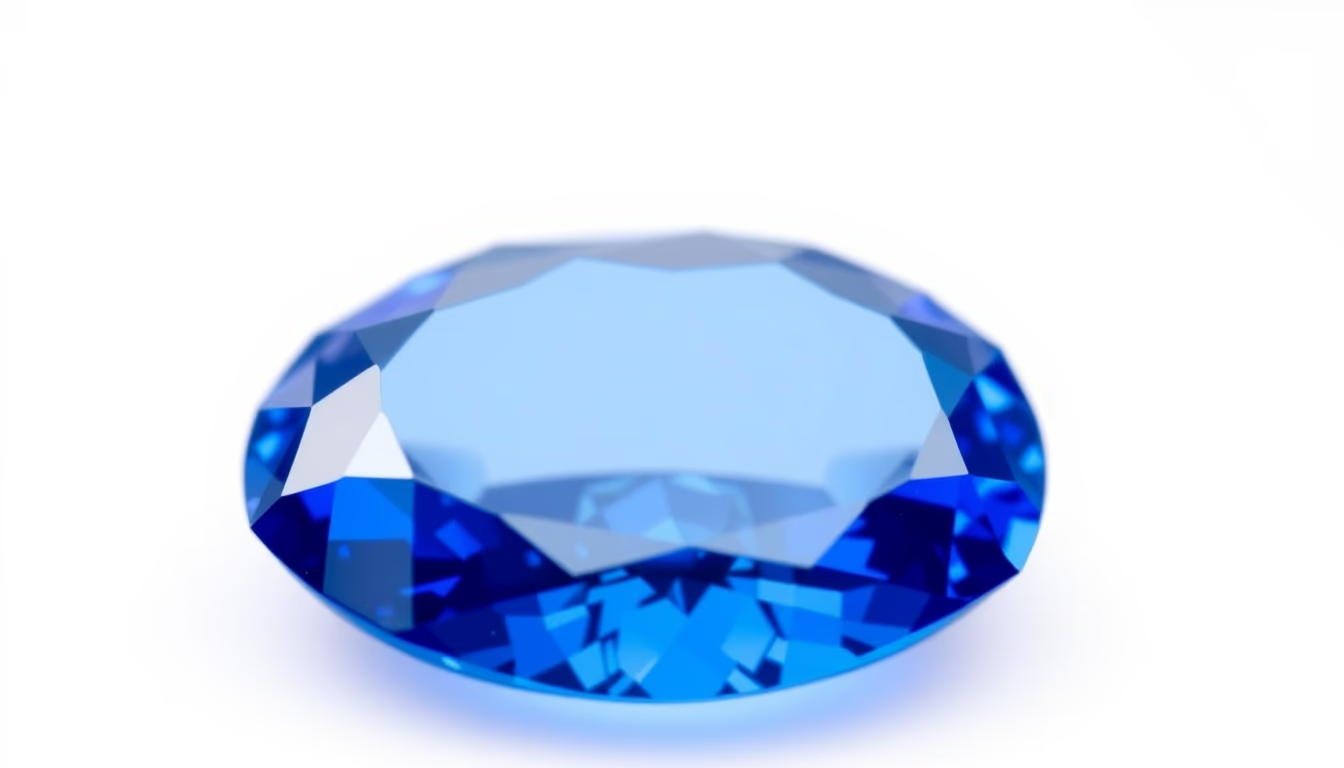
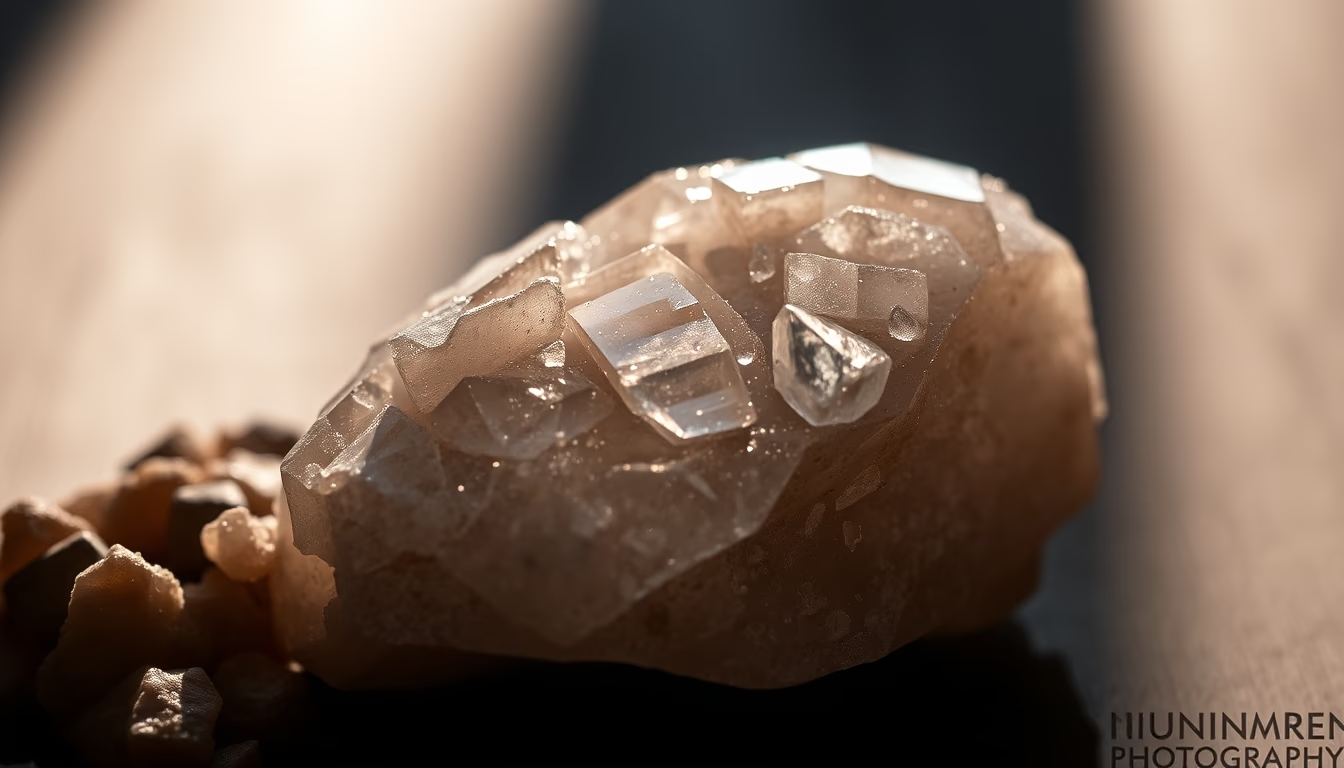
Aquamarine pale blue
1344×768 · AVIF · CC BY 4.0
Pale blue aquamarine: a variety of beryl valued for its soft color, used as a gemstone since ancient times and a birthstone for March.
About this subject
Aquamarine is a variety of the mineral beryl, with its pale blue to greenish-blue color caused by iron impurities in the crystal structure. The intensity of the hue depends on the iron content and any heat treatment applied, a common practice to enhance color. Crystals are often found in granitic pegmatites and can grow to large sizes with high transparency, making them desirable for faceting into jewelry.
Its name comes from Latin aqua marina (sea water), reflecting the color reminiscent of tropical seas. Pliny the Elder described the gem in the 1st century AD, associating it with calming and protective properties for sailors. During the Middle Ages, aquamarine was believed to strengthen eyesight and dispel fear. Today, it is the official birthstone for March, alongside bloodstone.
The largest commercial deposits are in Brazil, especially in Minas Gerais and Espírito Santo, where crystals weighing up to 110 kg have been found. Other significant producers include Pakistan, Madagascar, Russia, and the USA (Colorado). The gem is valued for its clarity and purity, graded AAA to B. Specimens with natural inclusions or double-terminated shapes are popular among collectors.
Beyond jewelry, aquamarine is used in lithotherapy, where it is believed to promote emotional balance and communication. Notable examples include the 'Dom Pedro' (about 10,400 carats) displayed at the Smithsonian and the 'Marvel of the Sea', a 16,000-carat cabochon. With a hardness of 7.5, 8 on the Mohs scale, it is durable enough for everyday wear.
Frequently Asked Questions
What causes the pale blue color of aquamarine?
The pale blue color is caused by iron ions (Fe²⁺ and Fe³⁺) in the beryl crystal structure. Heat treatment at around 400-500 °C can lighten or intensify the blue hue by removing greenish tones.
What is the historical significance of aquamarine?
The name comes from Latin aqua marina (sea water). Ancient sailors believed it protected them during voyages, and it was used as a talisman. Pliny the Elder mentioned it in the 1st century AD. Today it is the birthstone for March.
Is aquamarine an expensive gemstone?
It varies by quality. Stones with intense color, clean cutting, and large size (over 10 carats) can be high-value, but generally it is more affordable than emerald or sapphire. Most aquamarines have light color and moderate prices.
Direct URL
https://pub-c7d6a6ea828543ac903a74a341ccb2e1.r2.dev/imagens/aquamarine-pale-blue-macro-closeup-p11.avifHow to credit
Include a visible link back to UtilizAí. Copy one of the snippets below:
<a href="https://xn--utiliza-eza.com/en/midia/imagens/aquamarine-pale-blue-macro-closeup-p11">Aquamarine pale blue</a> by <a href="https://xn--utiliza-eza.com">UtilizAí</a>, licensed under <a href="https://creativecommons.org/licenses/by/4.0/">CC BY 4.0</a>.
[Aquamarine pale blue](https://xn--utiliza-eza.com/en/midia/imagens/aquamarine-pale-blue-macro-closeup-p11) by [UtilizAí](https://xn--utiliza-eza.com), CC BY 4.0
License: CC-BY-4.0