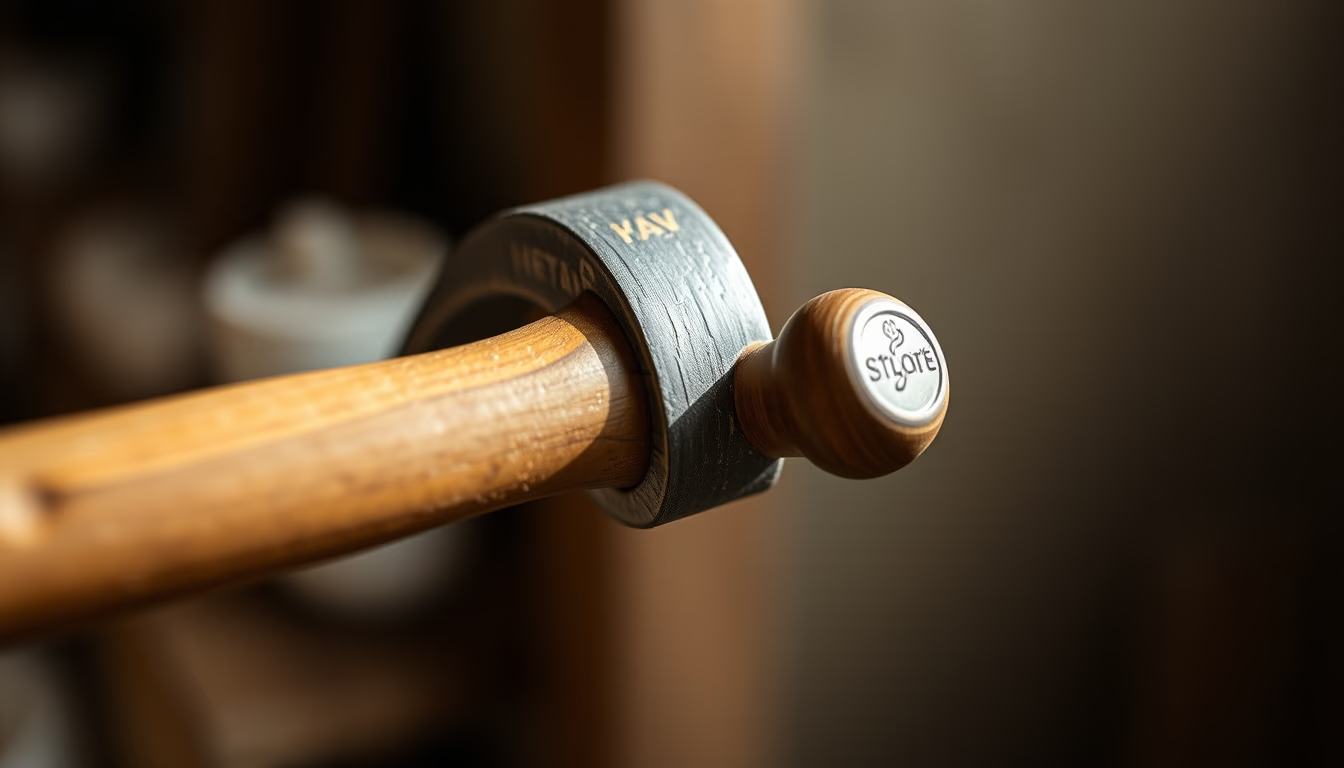
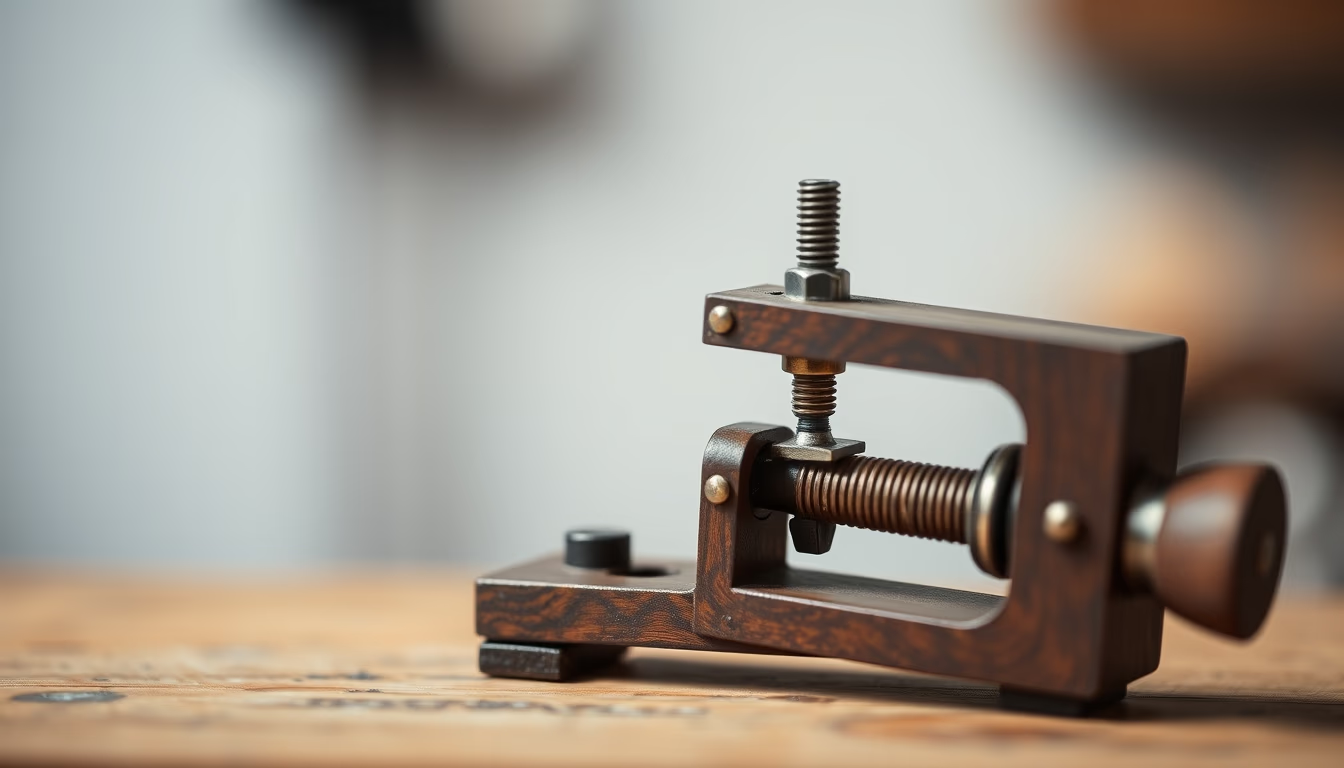
Antique hand drill brace
1344×768 · AVIF · CC BY 4.0
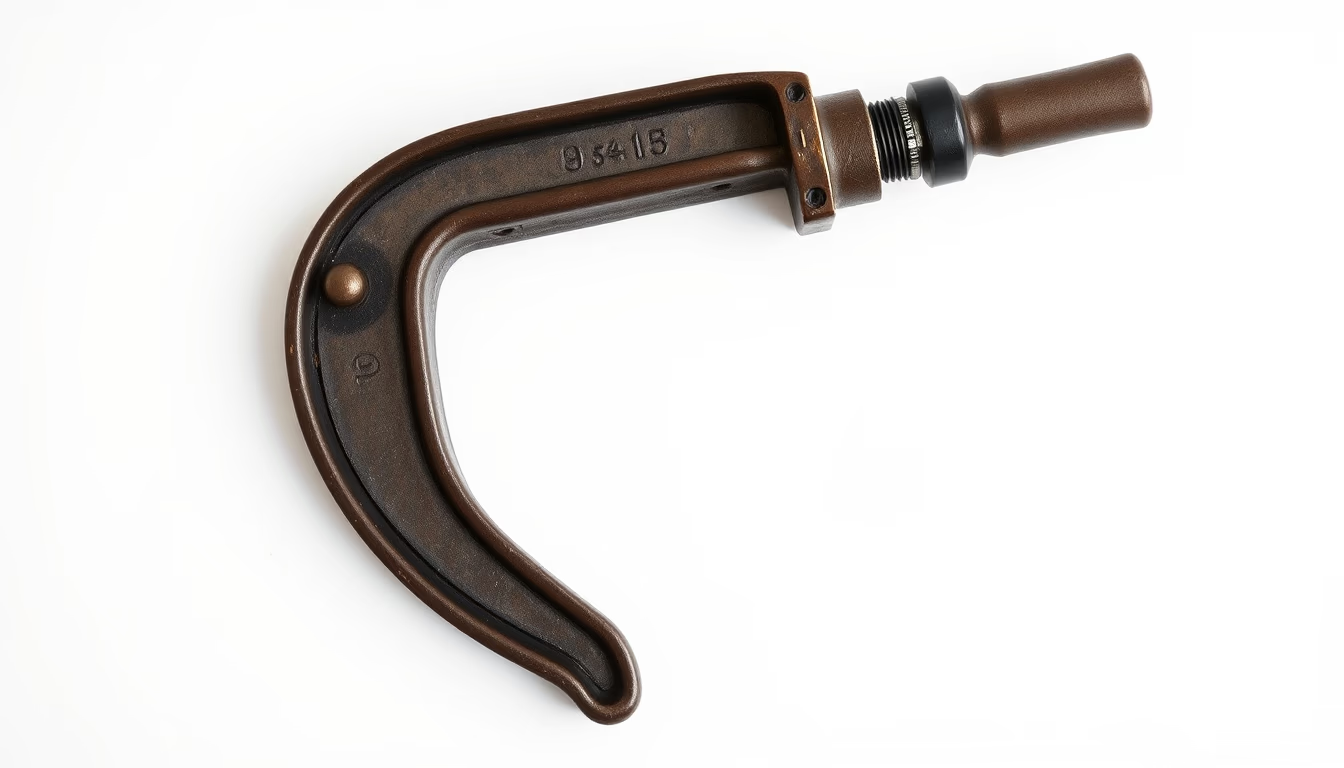
The antique hand drill brace, also known as a brace and bit, was a vital woodworking tool before electricity. Learn about its history and operation.
About this subject
The antique hand drill brace, commonly referred to as a brace and bit, is a manual drilling tool that preceded electric drills. It consists of a C-shaped crank, a chuck to hold the drill bit, and a rotating top piece, converting the rotary motion of the arm into drilling action. Its heyday spanned the 18th to 20th centuries, particularly in carpentry and woodworking, where it was prized for accuracy and control.
Unlike modern power drills, the brace operates without electricity or batteries, making it indispensable in rural or off-grid areas. The craftsman could adjust speed and pressure based on the material, producing clean holes in wood, metal, or bone. Early models featured screw-type chucks, while later versions adopted cam systems to secure the bit.
The tool's history traces back to ancient Rome, where bow drills were used. However, the modern design with a crank and chuck was patented in the United States in the mid-1800s. Companies like Stanley and Millers Falls became renowned for producing high-quality braces, many of which are now collectibles.
Interestingly, hand drill braces are still used by traditional woodworking enthusiasts and professionals seeking a handcrafted finish. They also serve as educational tools in design schools and museums, demonstrating basic mechanical principles. Their durability is remarkable: many 19th-century examples still function perfectly, testifying to the robust engineering of the era.
Frequently Asked Questions
How does an antique hand drill brace work?
The hand drill brace works by turning a C-shaped crank with one hand while holding the top piece with the other. The rotary motion is transferred to the chuck, which holds the drill bit, boring into the material.
What is the difference between a hand drill brace and an electric drill?
The main difference is the power source: the hand drill relies on human strength, while an electric drill uses a motor. The hand drill offers more control and quiet operation but requires more physical effort and is slower.
What materials can a hand drill brace work on?
It is ideal for wood, but can also drill through thin metal, bone, and plastic, depending on the bit. It requires patience and technique for harder materials, as it lacks electric torque.
Direct URL
https://pub-c7d6a6ea828543ac903a74a341ccb2e1.r2.dev/imagens/antique-hand-drill-brace-commercial-product-photography-fresh7.avifHow to credit
Include a visible link back to UtilizAí. Copy one of the snippets below:
<a href="https://xn--utiliza-eza.com/en/midia/imagens/antique-hand-drill-brace-commercial-product-photography-fresh7">Antique hand drill brace</a> by <a href="https://xn--utiliza-eza.com">UtilizAí</a>, licensed under <a href="https://creativecommons.org/licenses/by/4.0/">CC BY 4.0</a>.
[Antique hand drill brace](https://xn--utiliza-eza.com/en/midia/imagens/antique-hand-drill-brace-commercial-product-photography-fresh7) by [UtilizAí](https://xn--utiliza-eza.com), CC BY 4.0
License: CC-BY-4.0