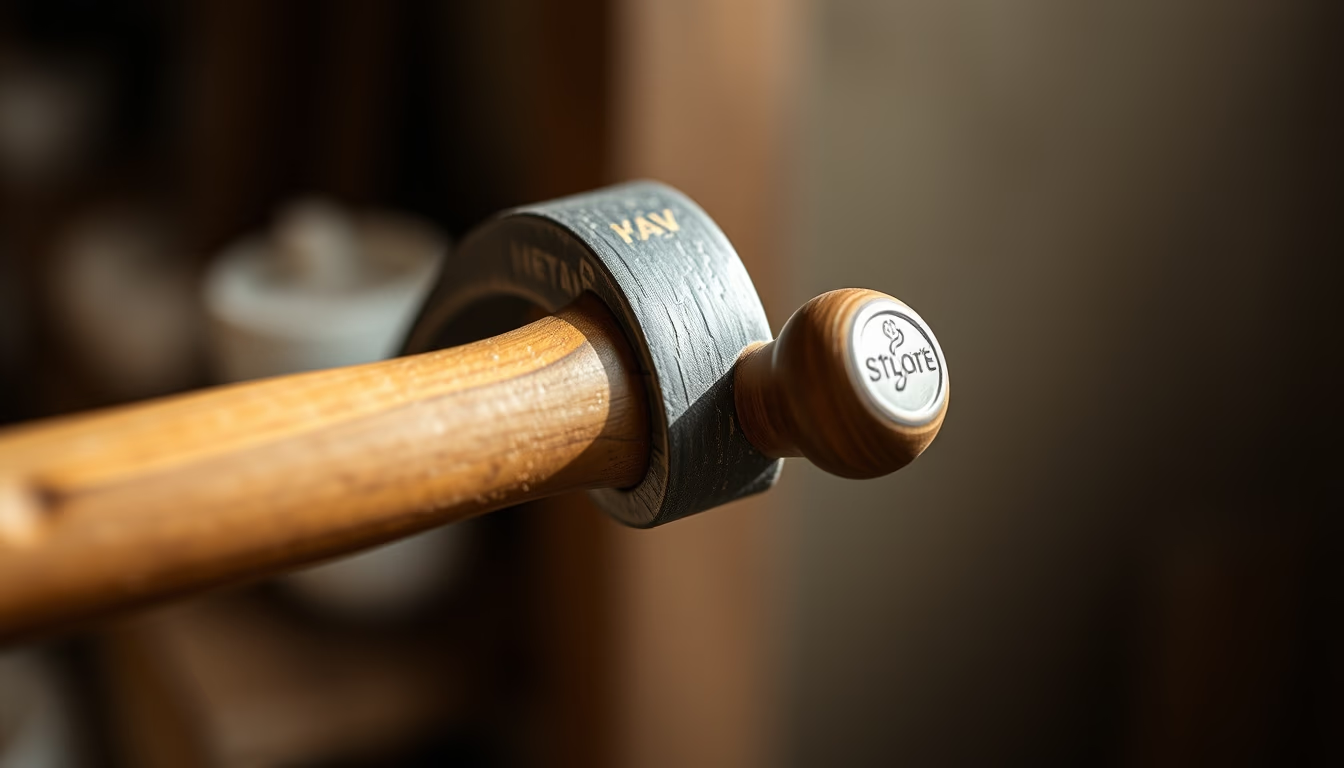
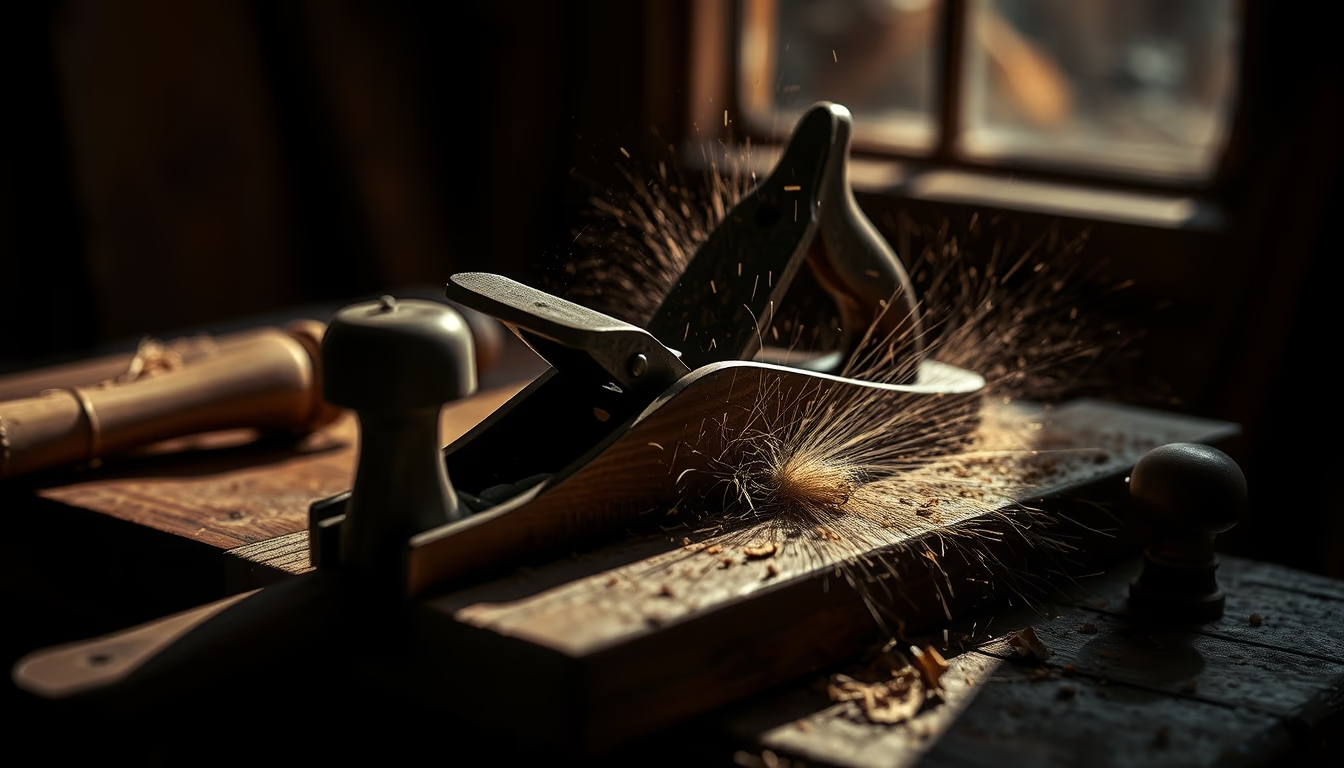
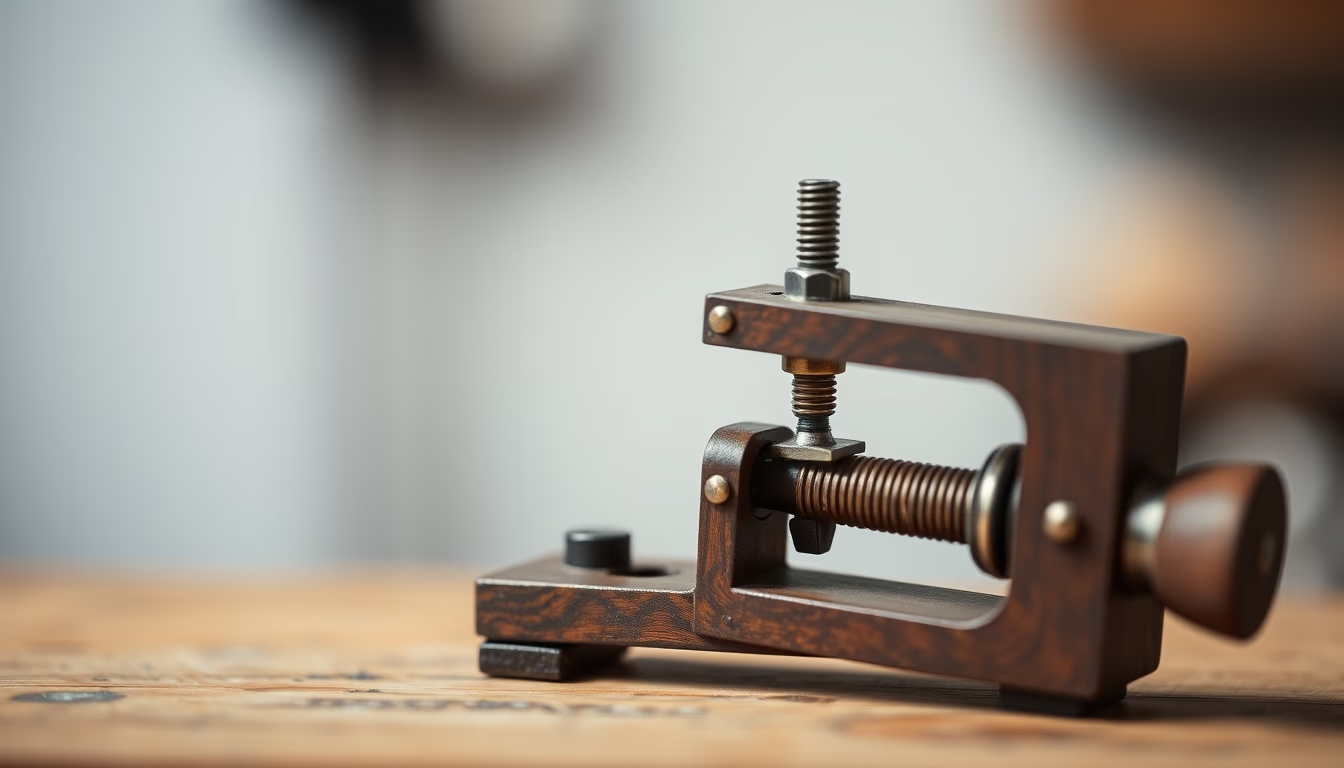
Antique hammer wooden handle
1344×768 · AVIF · CC BY 4.0
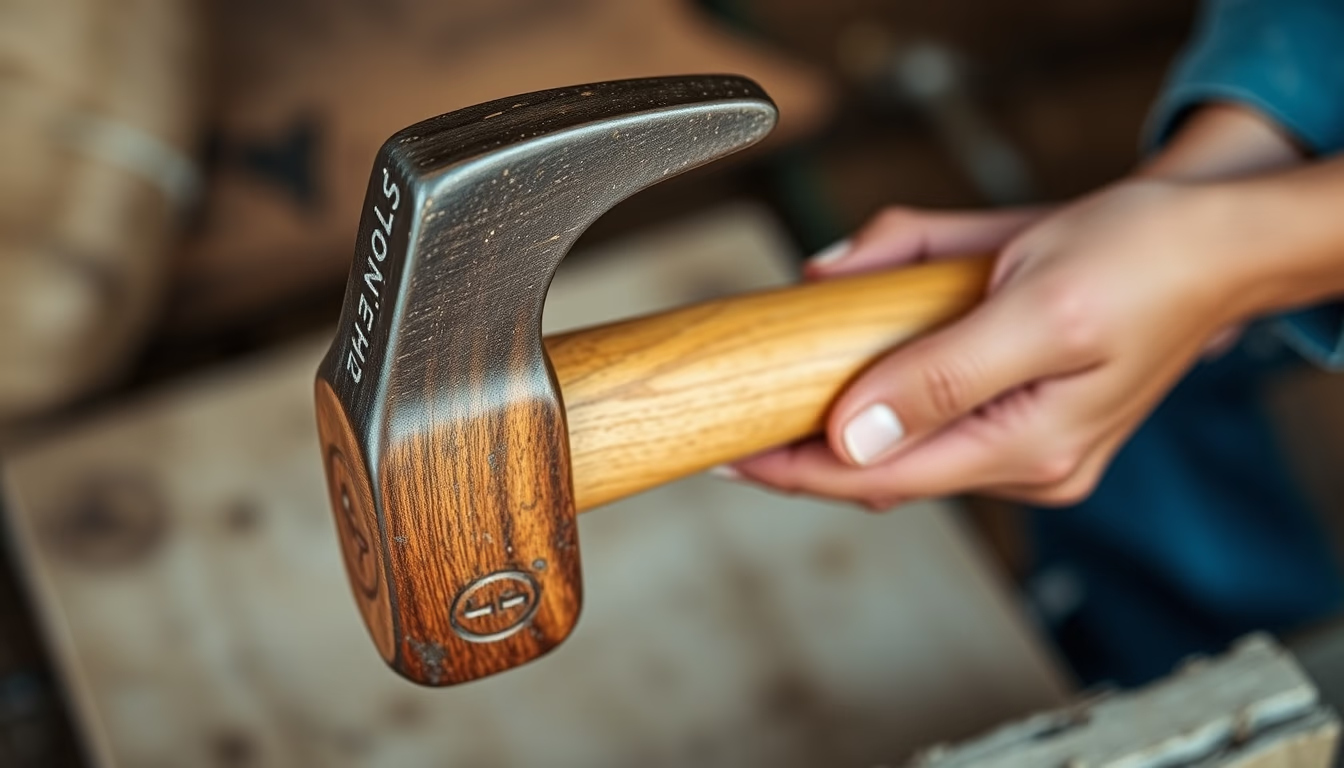
Antique hammer with wooden handle, a historical tool that reveals the evolution of manual labor in the field and workshop.
About this subject
Antique hammers with wooden handles are exemplars of the toolmaking craftsmanship that prevailed before industrialization. Until the mid-19th century, most hammers were forged by local blacksmiths, with iron heads and handles carved from native woods such as oak, ash, or hickory. The wood was chosen for its impact resistance and vibration damping, essential qualities for continuous work.
The shape and weight of the head varied by application: jeweler's hammers had small, polished faces for chiseling precious metals; carpenter's hammers had wide faces and a claw for nail extraction; blacksmith's hammers had robust heads to deform hot metals. The wooden handle often bore signs of use, such as sweat stains, resin, or even the artisan's fingerprint, making each piece unique.
The transition to steel and synthetic fiber handles only occurred in the 20th century, driven by mass production and demand for greater durability. Thus, an antique wooden hammer is not just a tool but a testament to manual skill and the intimate relationship between worker and instrument. Collectors and restorers value these pieces for their historical patina and the quality of artisanal forging.
Interestingly, the hafting technique (fixing the handle into the head) varied by region. In Brazil, dry wood wedges and animal glue were used; in Europe, metal wedges and linseed oil. Knowing these details helps date and authenticate an antique hammer, distinguishing it from modern reproductions.
Frequently Asked Questions
How to identify a genuine antique hammer?
Look for signs of hand forging: hammer marks on the head, surface irregularities, and a wooden handle with natural patina. The handle attachment usually shows wooden or metal wedges visible at the top.
What type of wood was most common in antique handles?
The most used woods were oak, ash, and hickory, valued for their strength and flexibility. Hickory, in particular, was preferred in the United States for its high toughness.
What were small-headed hammers with long handles used for?
They were used by jewelers and watchmakers, as the small head allowed precise strikes on precious metals, while the long handle provided leverage to control force.
Direct URL
https://pub-c7d6a6ea828543ac903a74a341ccb2e1.r2.dev/imagens/antique-hammer-wooden-handle-documentary-nature-style-fresh6.avifHow to credit
Include a visible link back to UtilizAí. Copy one of the snippets below:
<a href="https://xn--utiliza-eza.com/en/midia/imagens/antique-hammer-wooden-handle-documentary-nature-style-fresh6">Antique hammer wooden handle</a> by <a href="https://xn--utiliza-eza.com">UtilizAí</a>, licensed under <a href="https://creativecommons.org/licenses/by/4.0/">CC BY 4.0</a>.
[Antique hammer wooden handle](https://xn--utiliza-eza.com/en/midia/imagens/antique-hammer-wooden-handle-documentary-nature-style-fresh6) by [UtilizAí](https://xn--utiliza-eza.com), CC BY 4.0
License: CC-BY-4.0