Ancient olive tree gnarled trunk
1344×768 · AVIF · CC BY 4.0
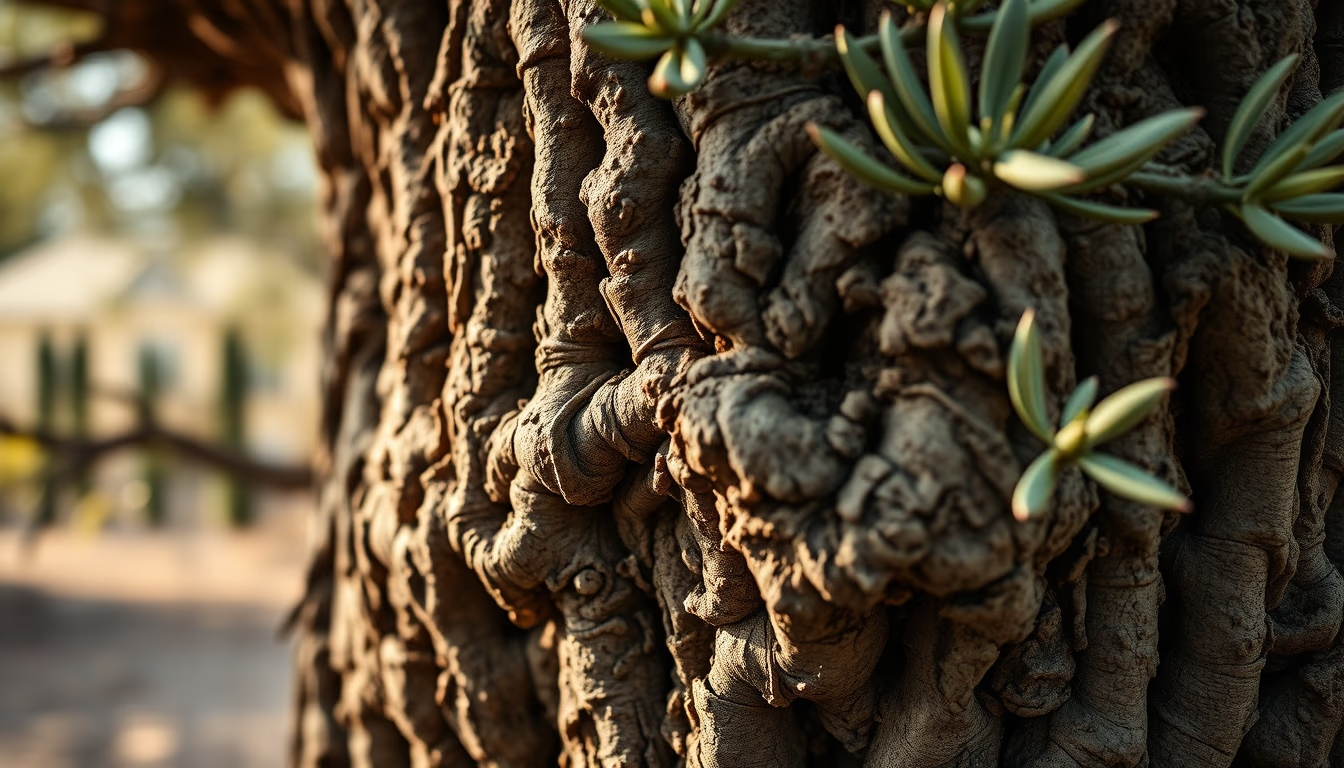
The ancient olive tree displays a gnarled, sculptural trunk, a witness to centuries of history and resilience.
About this subject
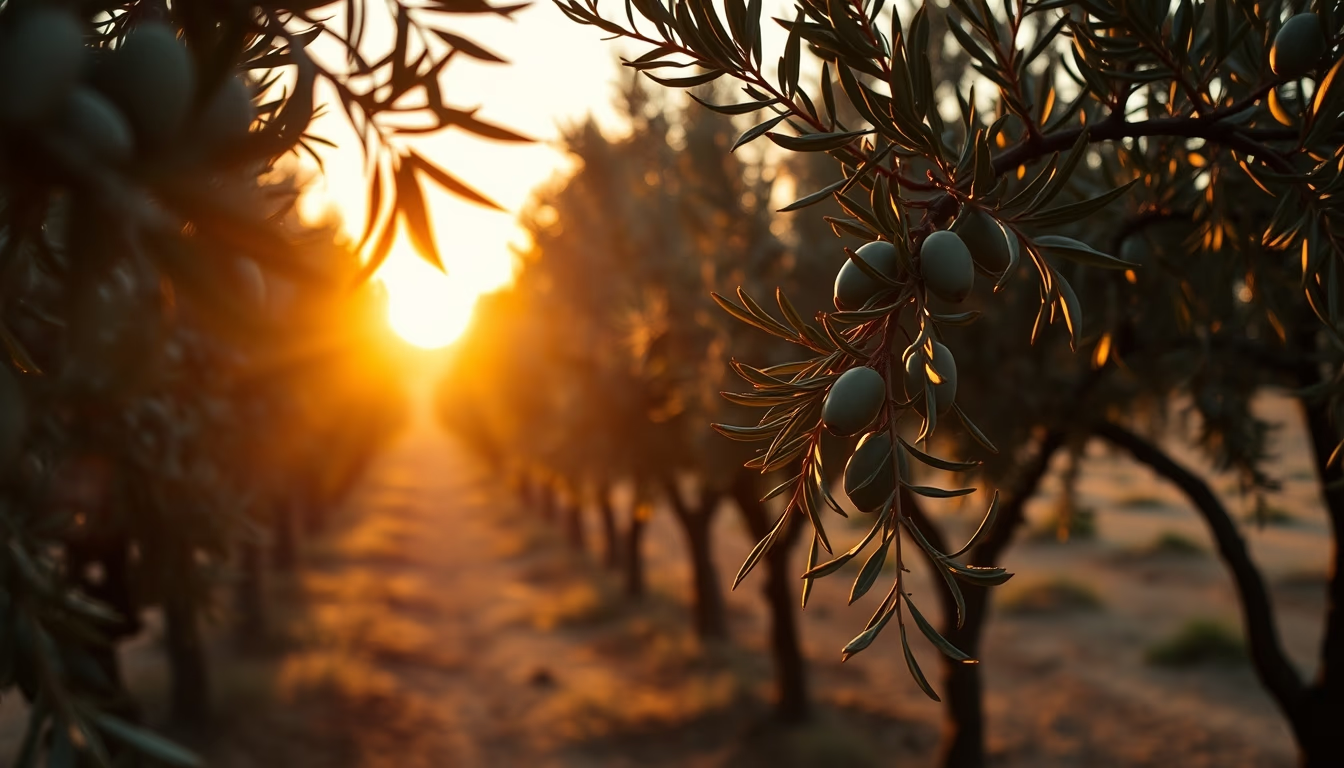
The olive tree (Olea europaea) is a slow-growing species with remarkable longevity, capable of living for thousands of years. Its gnarled and knobby trunk results from irregular growth over time, adapting to harsh conditions such as strong winds, drought, and poor soils. With age, the trunk often becomes hollow, accumulating layers of bark that create unique patterns, making each tree a natural work of art.
In the Mediterranean, olive trees are symbols of peace, wisdom, and fertility, mentioned in mythologies and religious texts. Some of the oldest, like the Olive Tree of Vouves in Crete (estimated at over 3000 years old), still produce olives. In Brazil, olive cultivation is growing, especially in Rio Grande do Sul, where the temperate climate allows for the production of award-winning olive oils. However, centenary trees are rare in the country, being more common in regions of Mediterranean colonization.
The twisted shape of the trunk is not merely aesthetic but functional. It helps the tree survive forest fires and pests, as the thick bark protects internal tissues. Additionally, the olive tree can resprout from the roots even after being cut down, contributing to its longevity. Each growth ring on the trunk tells a story of droughts, seasons, and human care through the centuries.
Frequently Asked Questions
What is the maximum age an olive tree can reach?
Olive trees can live for thousands of years. The Olive Tree of Vouves in Crete is over 3,000 years old, and some in Sardinia are estimated at up to 4,000 years.
Why does the olive tree trunk become gnarled?
Irregular growth, combined with strong winds, drought, and poor soils, causes the tree to develop a gnarled trunk. This also helps protect against fire and pests.
Are there centenary olive trees in Brazil?
Yes, but they are rare. Most are found in regions of Mediterranean colonization, such as Rio Grande do Sul, where Italian and Portuguese immigrants brought centuries-old saplings.
Direct URL
https://pub-c7d6a6ea828543ac903a74a341ccb2e1.r2.dev/imagens/ancient-olive-tree-gnarled-trunk-macro-closeup-p4.avifHow to credit
Include a visible link back to UtilizAí. Copy one of the snippets below:
<a href="https://xn--utiliza-eza.com/en/midia/imagens/ancient-olive-tree-gnarled-trunk-macro-closeup-p4">Ancient olive tree gnarled trunk</a> by <a href="https://xn--utiliza-eza.com">UtilizAí</a>, licensed under <a href="https://creativecommons.org/licenses/by/4.0/">CC BY 4.0</a>.
[Ancient olive tree gnarled trunk](https://xn--utiliza-eza.com/en/midia/imagens/ancient-olive-tree-gnarled-trunk-macro-closeup-p4) by [UtilizAí](https://xn--utiliza-eza.com), CC BY 4.0
License: CC-BY-4.0