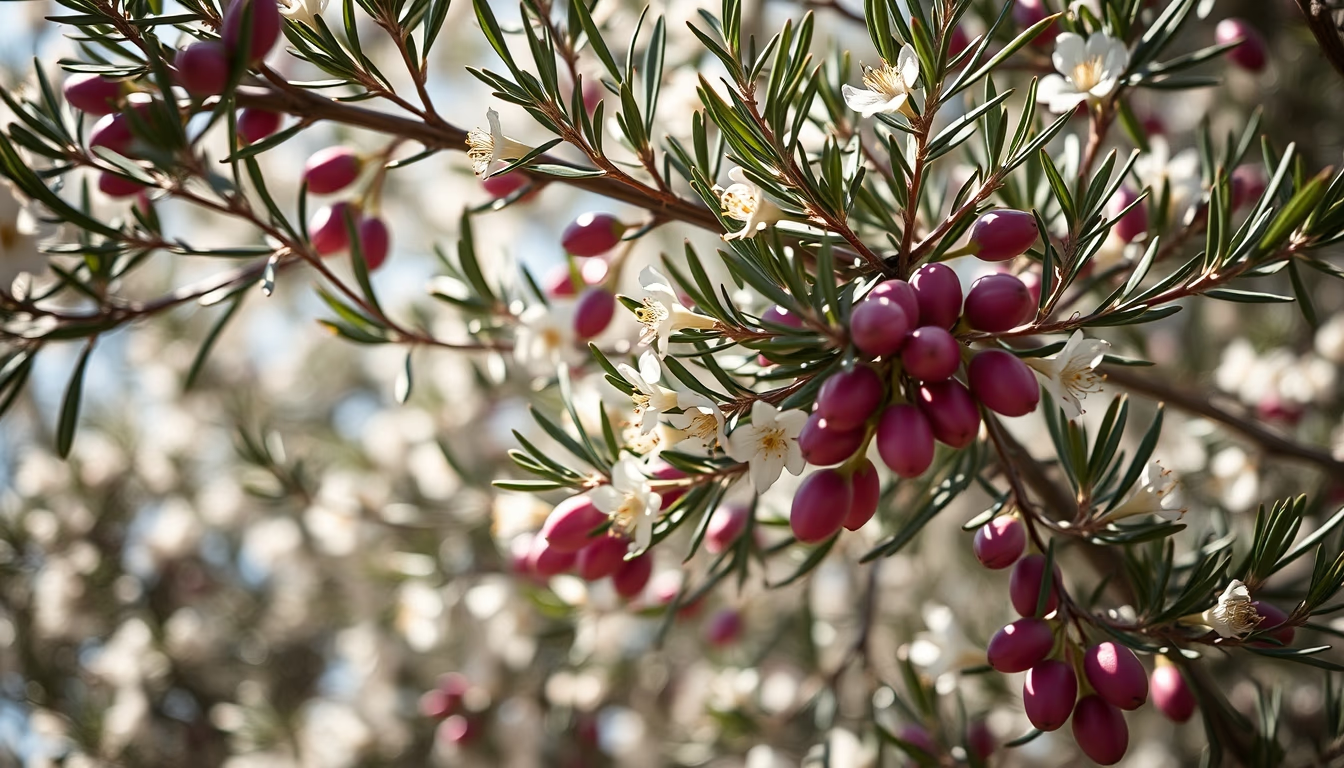
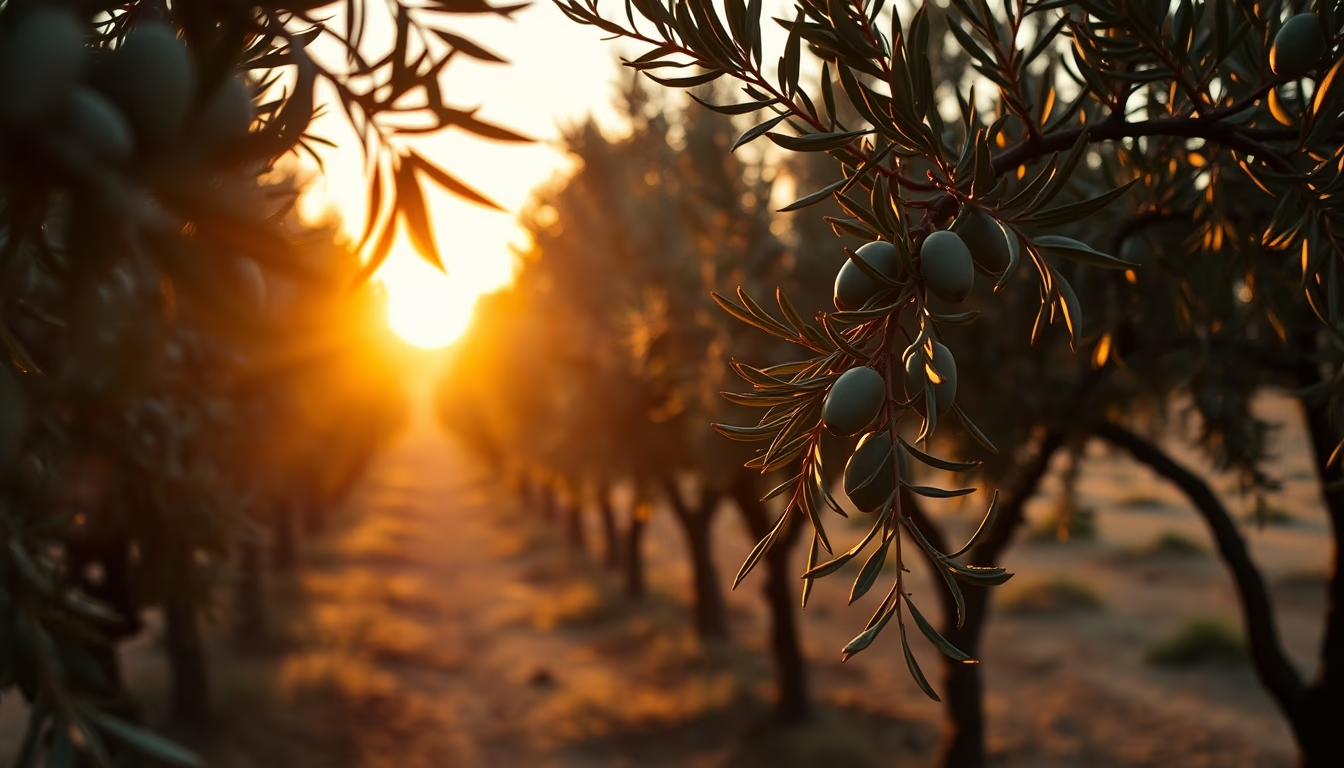
Ancient olive tree gnarled trunk
1344×768 · AVIF · CC BY 4.0
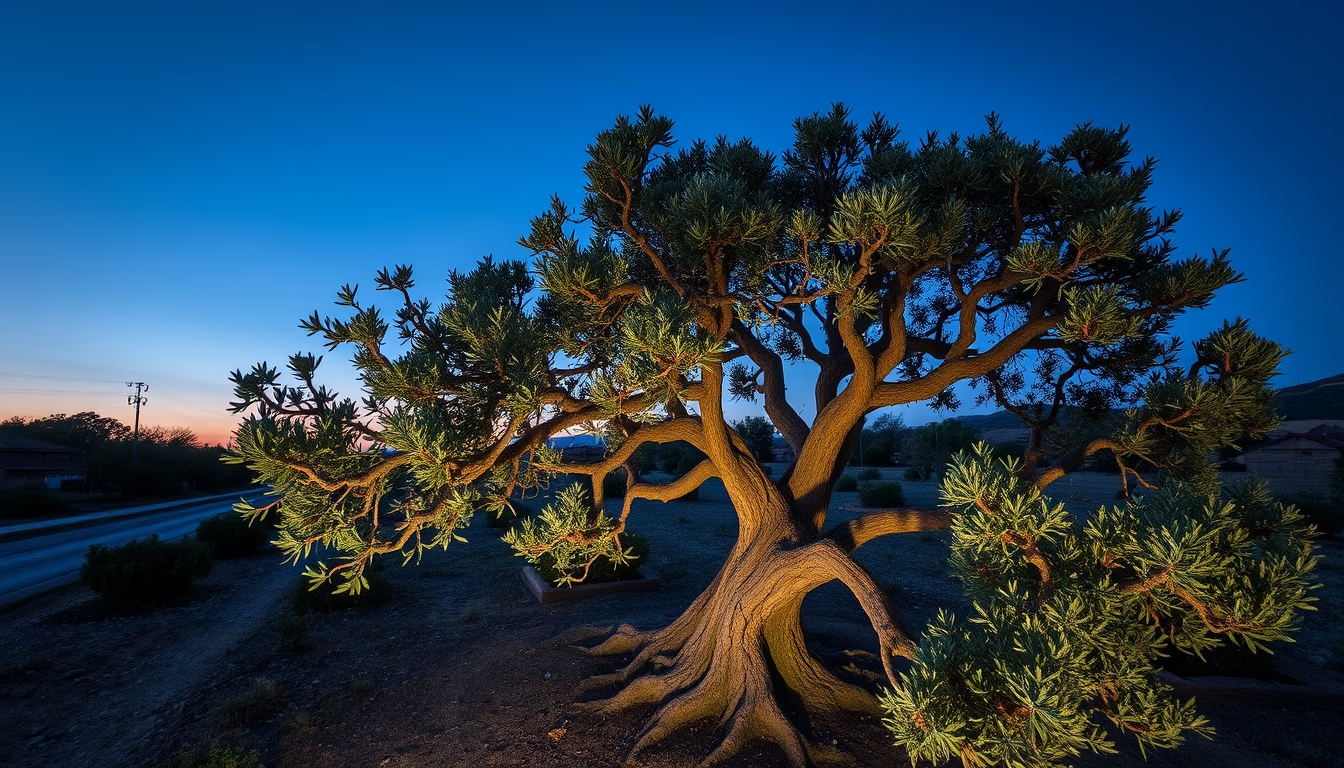
Century-old olive trees display gnarled trunks that tell centuries of agricultural history in the Mediterranean, captured here in an aerial view.
About this subject
Olive trees (Olea europaea) are emblematic of the Mediterranean basin, cultivated for over 6,000 years. Some specimens, such as the Vouves olive tree in Crete (Greece), are estimated to be between 3,000 and 4,000 years old, making them the oldest known productive trees in the world. Their gnarled, hollowed trunks are not defects but signs of adaptation to dry climates and strong winds, along with centuries of pruning that stimulate new shoot growth.
Olive and olive oil production is an economic and cultural pillar in countries like Italy, Spain, Greece, Portugal, and Turkey. The olive tree symbolizes peace, wisdom, and endurance, featuring in mythology and religious texts. Each tree can live for centuries, and the oldest continue to bear fruit even with hollow or split trunks. The aerial photography emphasizes the monumental scale of these trees and the unique texture of their bark.
From an agricultural perspective, olive trees thrive on poor, rocky soils with low water requirements, making them sustainable in arid regions. The twisted trunk stores water and nutrients, ensuring survival during droughts. Harvesting is typically done by hand or with mechanical shakers, and cold pressing yields oils with different sensory profiles. Variety diversity (such as Arbequina, Koroneiki, Picual) influences flavor and acidity.
Olive longevity also attracts rural tourism and conservation efforts. In Portugal's Algarve region, olive trees over 2,000 years old are cataloged as natural heritage. The aerial view reveals a leafy canopy contrasting with dry soil, a portrait of plant resilience that inspires farmers and nature enthusiasts alike.
Frequently Asked Questions
How old can an olive tree live?
Olive trees can live for centuries or millennia. The Vouves olive tree in Crete is estimated to be between 3,000 and 4,000 years old, making it one of the oldest still producing fruit.
Why do olive trunks become gnarled?
The gnarled trunk results from centuries of wind exposure, regular pruning, and adaptation to dry climates. This shape helps store water and nutrients, ensuring survival in harsh conditions.
Where are the oldest olive trees located?
The oldest known olive trees are found in the Mediterranean region, especially in Greece (Crete), Portugal (Algarve), and Montenegro. Many are protected as natural heritage.
Direct URL
https://pub-c7d6a6ea828543ac903a74a341ccb2e1.r2.dev/imagens/ancient-olive-tree-gnarled-trunk-aerial-drone-shot-p3.avifHow to credit
Include a visible link back to UtilizAí. Copy one of the snippets below:
<a href="https://xn--utiliza-eza.com/en/midia/imagens/ancient-olive-tree-gnarled-trunk-aerial-drone-shot-p3">Ancient olive tree gnarled trunk</a> by <a href="https://xn--utiliza-eza.com">UtilizAí</a>, licensed under <a href="https://creativecommons.org/licenses/by/4.0/">CC BY 4.0</a>.
[Ancient olive tree gnarled trunk](https://xn--utiliza-eza.com/en/midia/imagens/ancient-olive-tree-gnarled-trunk-aerial-drone-shot-p3) by [UtilizAí](https://xn--utiliza-eza.com), CC BY 4.0
License: CC-BY-4.0