Amphitheater greek
1344×768 · AVIF · CC BY 4.0

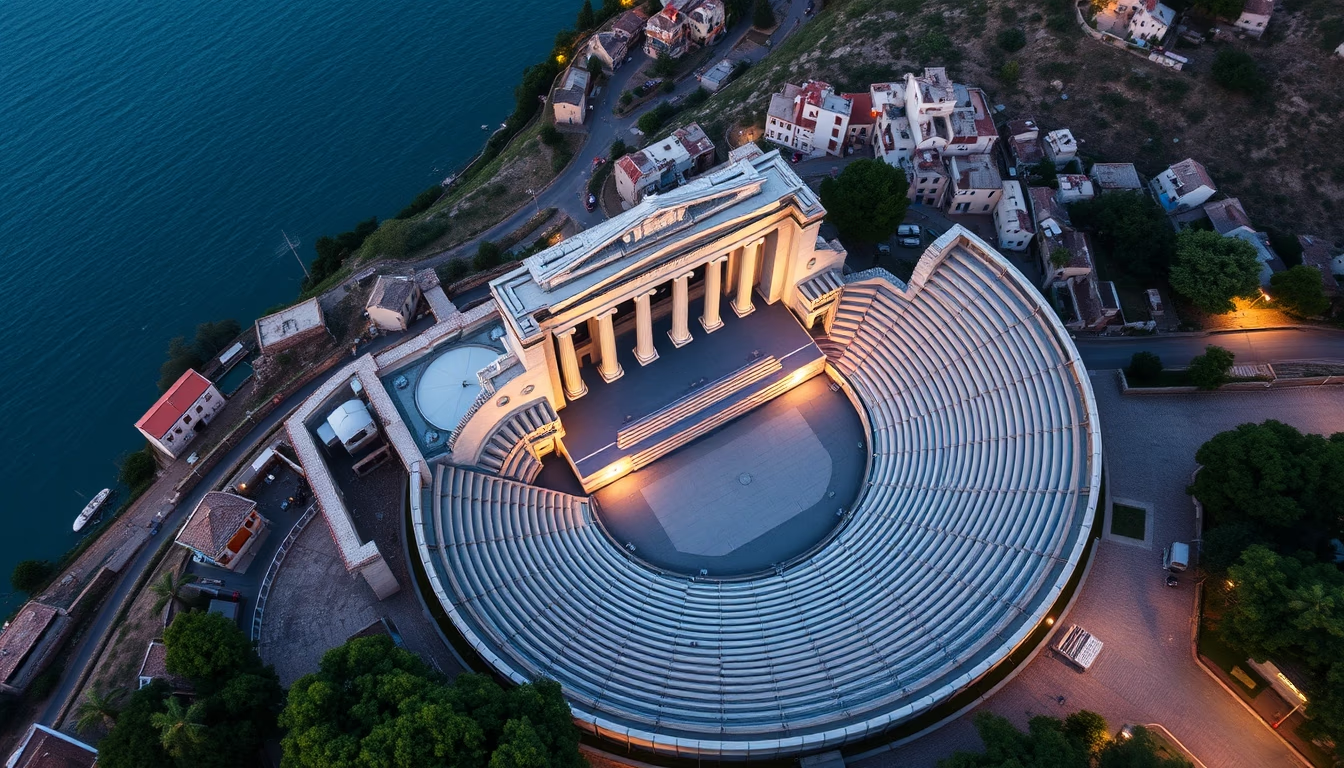
Greek amphitheaters are iconic monuments of classical architecture, designed for outdoor dramatic and musical performances.
About this subject
Greek amphitheaters, such as the famous Theater of Epidaurus, were built between the 5th and 4th centuries BCE and represent one of the greatest architectural legacies of antiquity. The typical structure consisted of three parts: the “theatron” (semicircular seating), the “orchestra” (circular space for actors and chorus), and the “skené” (stage building at the back). Originally, these spaces were dedicated to the god Dionysus during religious festivals like the Dionysia, where plays by Sophocles, Aeschylus, and Euripides were performed.
The acoustics of Greek amphitheaters are remarkable: at the Theater of Epidaurus, built in the 4th century BCE, sound produced at the center of the orchestra can be clearly heard up to the last row, over 60 meters away. This effect is attributed to the carefully calculated semicircular shape and the materials of the seats, which reduce reverberation. The theater is estimated to have held about 12,000 spectators, all with excellent visibility and audibility.
Beyond theatrical use, Greek amphitheaters served political and civic functions: they were used for popular assemblies and public meetings. The word “theater” derives from the Greek “theatron”, meaning “place for seeing”. Greek influence spread across the Mediterranean with Alexander, and the Romans later adapted the model, creating amphitheaters for gladiator battles. Today, many Greek amphitheaters are UNESCO World Heritage sites and continue to be used for performances, showcasing their timeless engineering.
Frequently Asked Questions
What is the best-preserved Greek amphitheater?
The Theater of Epidaurus in Greece is considered the best-preserved, with its structure almost intact and exceptional acoustics.
How did the Greeks achieve such perfect acoustics?
The semicircular shape, the slope of the seats, and the use of limestone in the rows create a system that amplifies sound without distortion, eliminating the need for electronic amplification.
What was the typical capacity of a Greek amphitheater?
The largest amphitheaters, such as the Theater of Dionysus in Athens, could hold up to 17,000 people, while Epidaurus had a capacity of about 12,000.
Direct URL
https://pub-c7d6a6ea828543ac903a74a341ccb2e1.r2.dev/imagens/amphitheater-greek-studio-editorial-portrait-p4.avifHow to credit
Include a visible link back to UtilizAí. Copy one of the snippets below:
<a href="https://xn--utiliza-eza.com/en/midia/imagens/amphitheater-greek-studio-editorial-portrait-p4">Amphitheater greek</a> by <a href="https://xn--utiliza-eza.com">UtilizAí</a>, licensed under <a href="https://creativecommons.org/licenses/by/4.0/">CC BY 4.0</a>.
[Amphitheater greek](https://xn--utiliza-eza.com/en/midia/imagens/amphitheater-greek-studio-editorial-portrait-p4) by [UtilizAí](https://xn--utiliza-eza.com), CC BY 4.0
License: CC-BY-4.0