Amphitheater greek
1344×768 · AVIF · CC BY 4.0
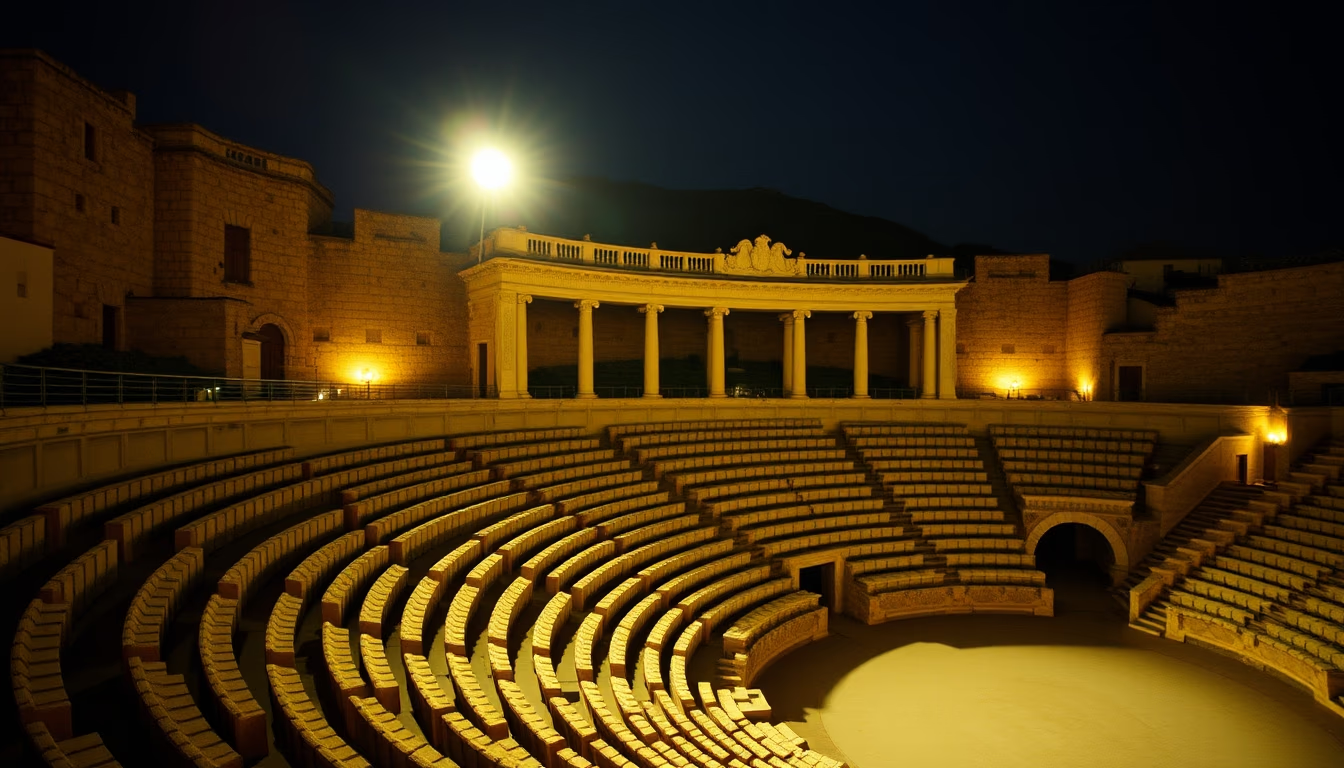
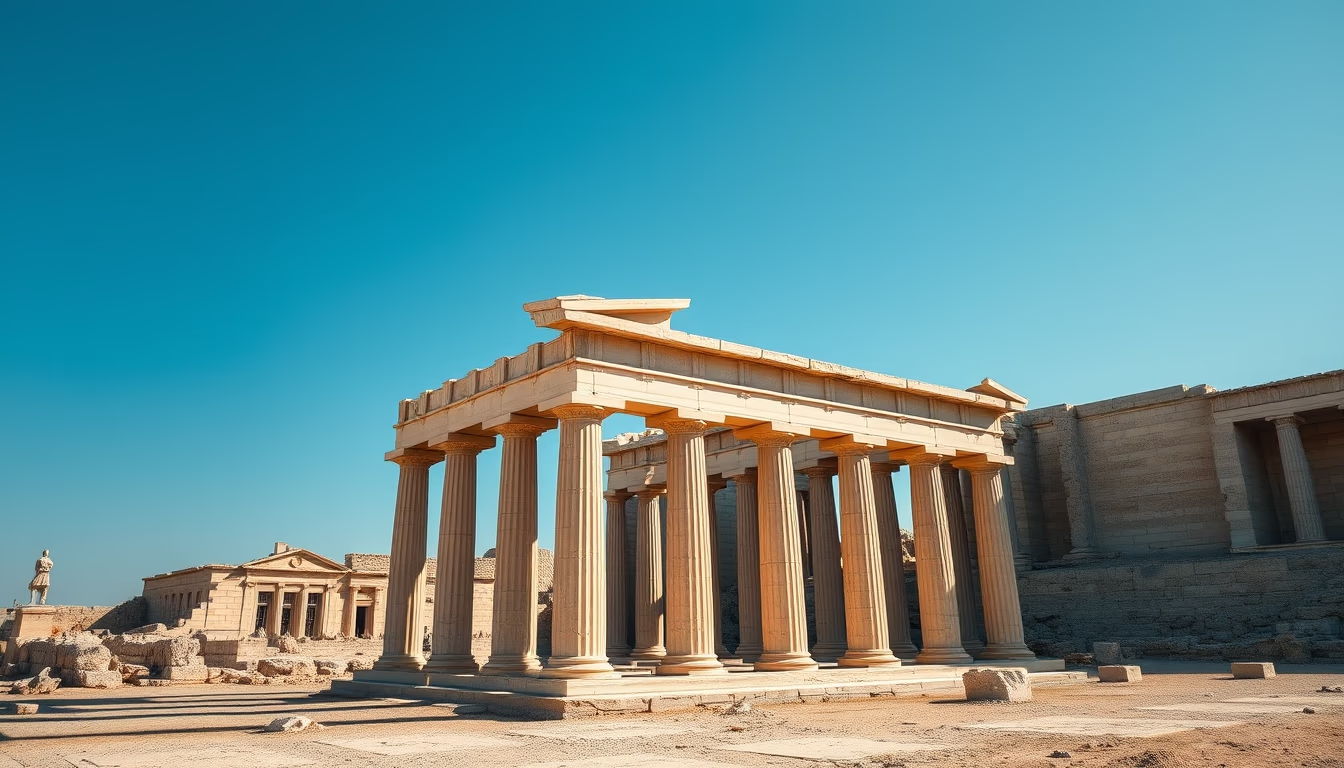
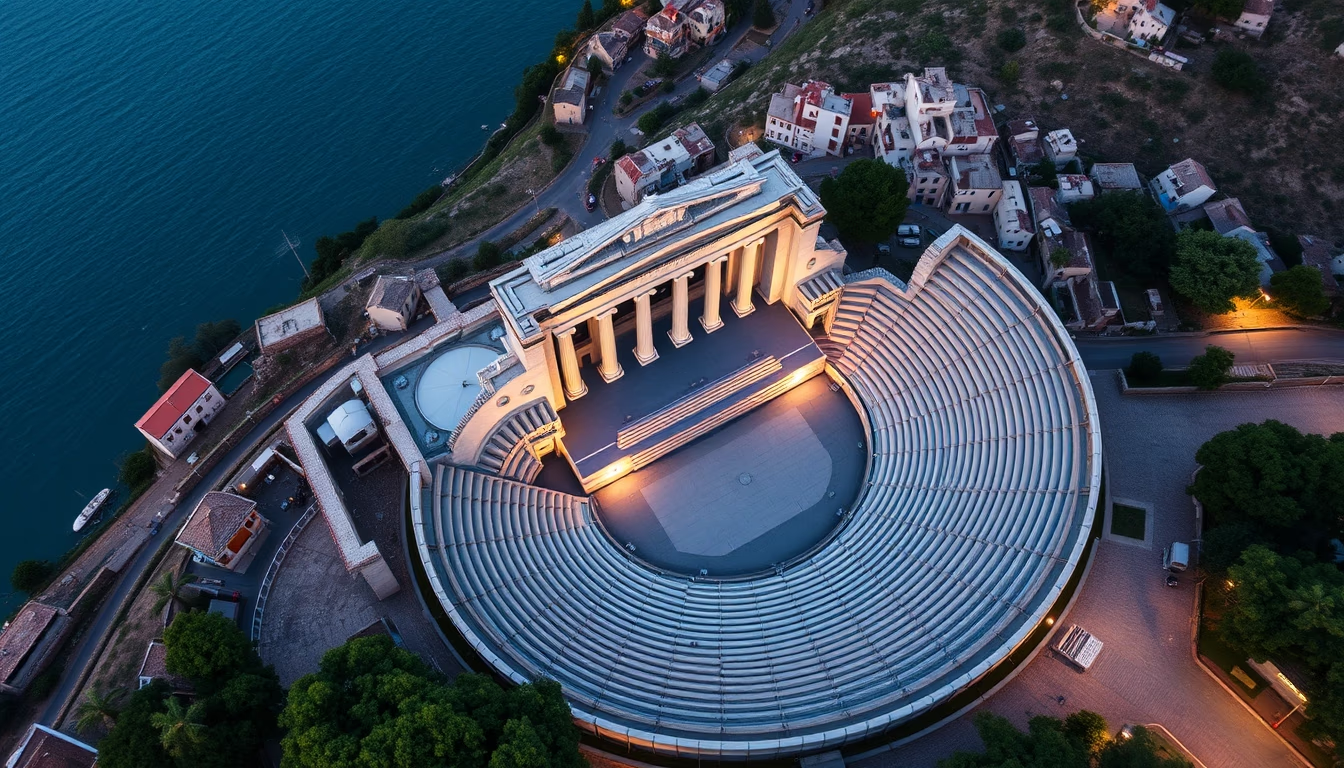
The Greek amphitheater, also known as a Greek theatre, is an iconic architectural structure of ancient Greece, designed for dramatic performances and public assemblies.
About this subject
Greek amphitheaters, also known as Greek theatres, originated in the 6th century BC, evolving from religious rituals honoring Dionysus, the god of wine and theater. The first known structure is the Theatre of Dionysus in Athens, which underwent several renovations over the centuries. These constructions were typically carved into natural hillsides, using the topography to create the semicircular slope of the theatron (the seating area). The orchestra, a circular space at the center, was where the chorus danced and sang, while the skene, a building at the back, served as a dressing room and backdrop.
The acoustics of Greek theatres are remarkable, especially at the Theatre of Epidaurus, built in the 4th century BC by Polykleitos the Younger. With a capacity of about 14,000 spectators, its acoustics allow a whisper on stage to be heard in the back rows, thanks to the precise design of the seats and the use of limestone materials that naturally absorb and reflect sound. Besides theatrical performances, these venues hosted democratic assemblies and musical competitions.
Famous examples include the Theatre of Dionysus in Athens, the Theatre of Epidaurus (considered the best preserved), the Theatre of Delphi, and the Theatre of Syracuse in Sicily. Each has unique features, such as the size of the orchestra or the decoration of the skene. The Greek legacy strongly influenced Roman amphitheaters, which adopted the model but added arches and free-standing structures.
Today, these monuments are UNESCO World Heritage Sites and continue to be used for performances, keeping alive the theatrical tradition born in ancient Greece. The experience of watching a classical Greek play in an original amphitheater is an immersion in history, combining architecture, culture, and perfect acoustics.
Frequently Asked Questions
What is the difference between a Greek amphitheater and a Roman one?
A Greek amphitheater is carved into a hillside, has a semicircular shape, and is used for theater and assemblies. A Roman amphitheater is a free-standing oval structure used for gladiator fights and public spectacles, like the Colosseum.
How did Greek theaters achieve such good acoustics without modern technology?
The exceptional acoustics result from the fan-shaped seating arrangement, precise slope, and use of porous materials that absorb unwanted noise and reflect sound waves efficiently, a feat of natural engineering.
What are the most famous Greek amphitheaters and where are they located?
The most famous include the Theatre of Dionysus in Athens, the Theatre of Epidaurus (Peloponnese), the Theatre of Delphi (Mount Parnassus), and the Theatre of Syracuse in Sicily, Italy. Epidaurus is the best preserved.
Direct URL
https://pub-c7d6a6ea828543ac903a74a341ccb2e1.r2.dev/imagens/amphitheater-greek-lo-fi-disposable-camera-p1.avifHow to credit
Include a visible link back to UtilizAí. Copy one of the snippets below:
<a href="https://xn--utiliza-eza.com/en/midia/imagens/amphitheater-greek-lo-fi-disposable-camera-p1">Amphitheater greek</a> by <a href="https://xn--utiliza-eza.com">UtilizAí</a>, licensed under <a href="https://creativecommons.org/licenses/by/4.0/">CC BY 4.0</a>.
[Amphitheater greek](https://xn--utiliza-eza.com/en/midia/imagens/amphitheater-greek-lo-fi-disposable-camera-p1) by [UtilizAí](https://xn--utiliza-eza.com), CC BY 4.0
License: CC-BY-4.0