Amphitheater greek
1344×768 · AVIF · CC BY 4.0
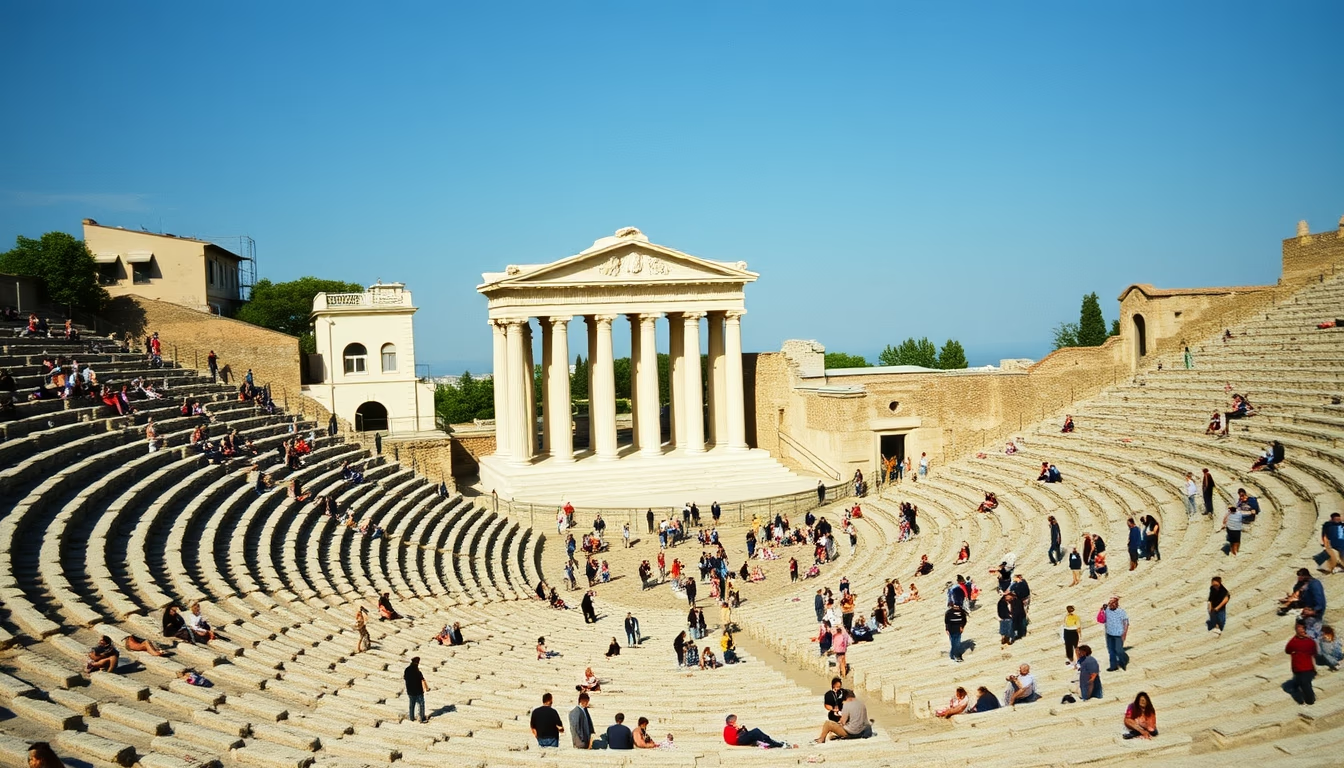
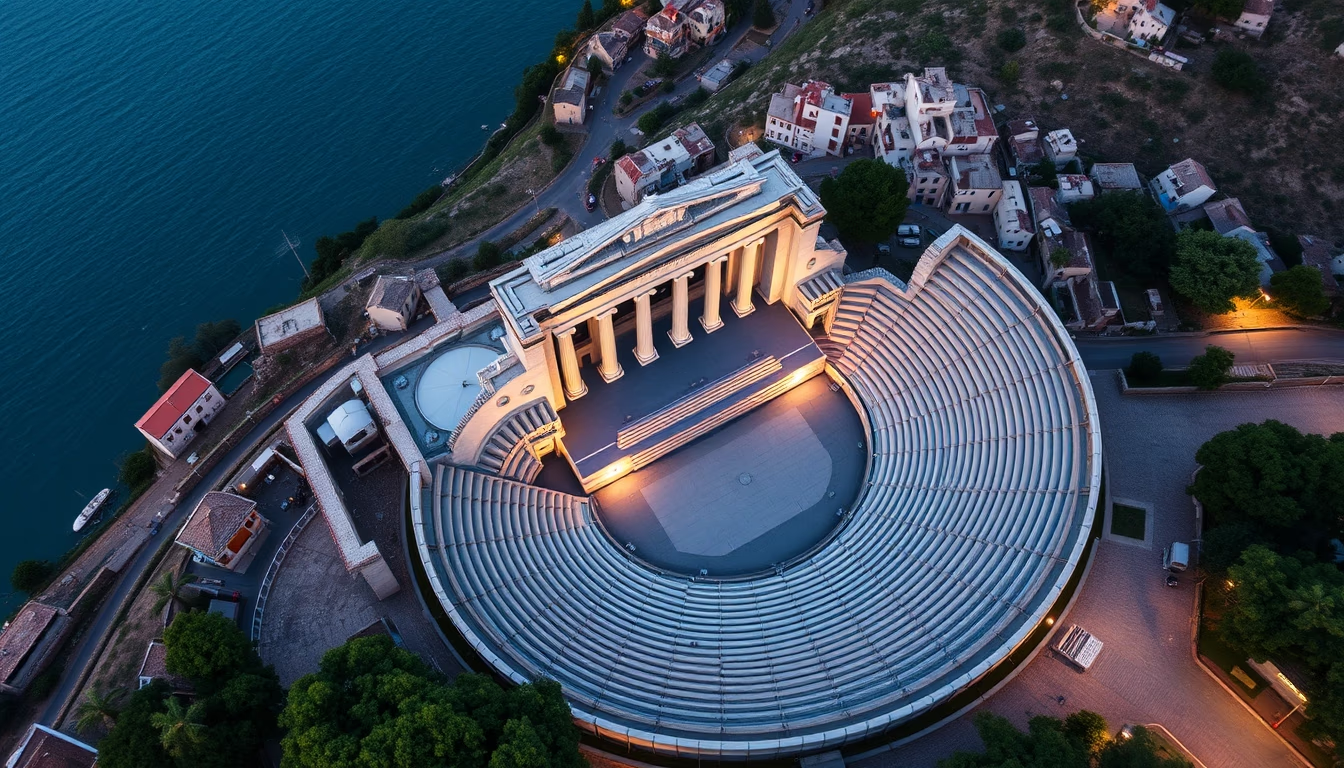
Greek amphitheaters are landmarks of ancient architecture, blending acoustic engineering and design for dramatic performances.
About this subject
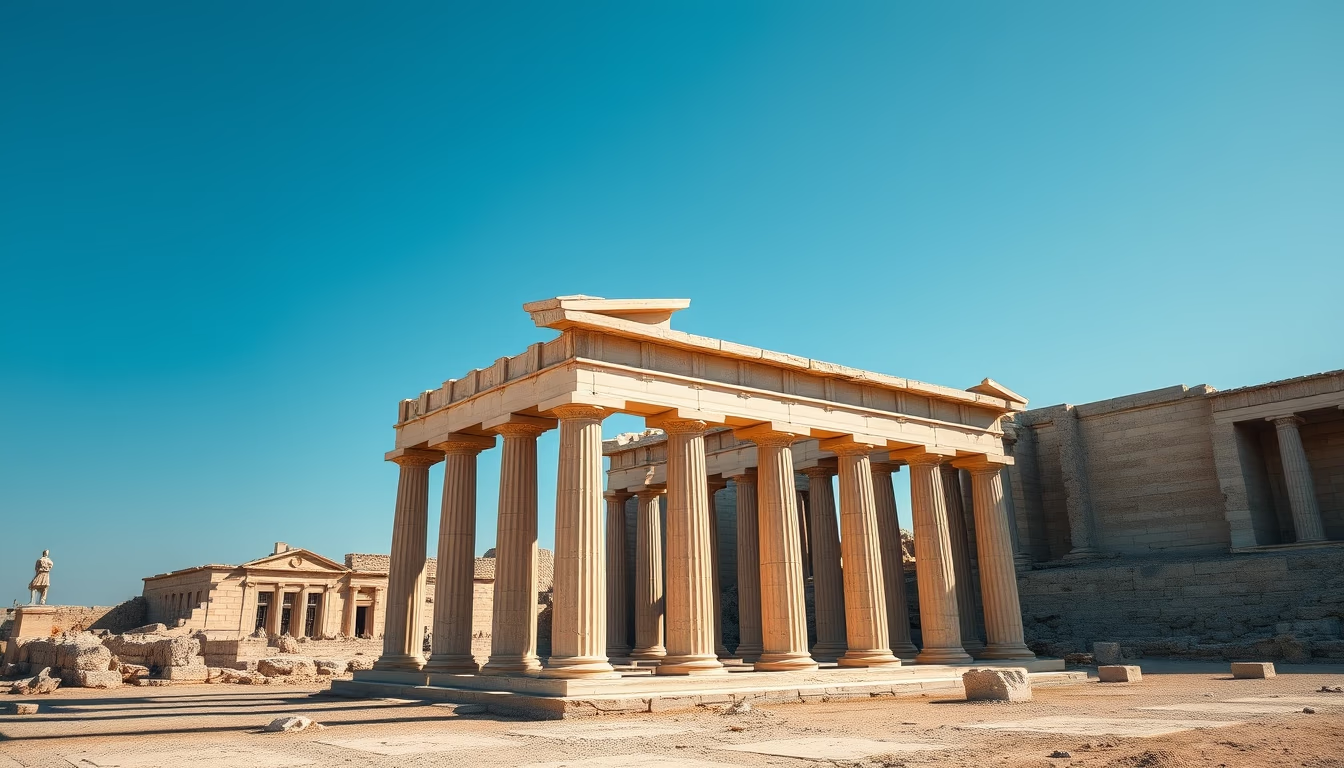
Greek amphitheaters, built between the 5th and 3rd centuries BCE, are among the greatest legacies of classical architecture. Unlike Roman theaters, which were freestanding structures, the Greeks utilized natural hillsides to carve semicircular seating areas known as koilon, opening onto a circular orchestra where the chorus and actors performed. The stage, or skene, initially a tent, evolved into a decorated building serving as a dressing room and scenic backdrop. The acoustics of these spaces are remarkable: in the Theater of Epidaurus, attributed to Polykleitos the Younger, a whisper from the center of the orchestra can be heard in the topmost seats over 60 meters away, thanks to the precise slope and limestone materials that filter sound. The largest Greek amphitheater, the Theater of Dionysus in Athens, could hold up to 17,000 spectators and hosted the works of Aeschylus, Sophocles, and Euripides during the Greater Dionysia, religious festivals honoring the god of theater. These structures were not merely entertainment venues but civic and religious centers, where Athenian democracy was reflected in the seating arrangement: citizens of different classes sat in separate sectors. Many amphitheaters survive today and are still used for performances, such as the Ancient Theater of Sparta and the one at Delphi, both UNESCO World Heritage sites. The Greek influence on Roman theater design is evident, but the Romans added arenas for gladiatorial combat, creating the complete amphitheater, like the Colosseum.
Frequently Asked Questions
How did Greek amphitheaters achieve perfect acoustics?
The exceptional acoustics result from the precise slope of the koilon (seating) and the use of limestone, which absorbs low-frequency noise and reflects stage sounds. The semicircular shape also focuses sound toward the center.
What is the largest surviving Greek amphitheater?
The Theater of Dionysus in Athens is among the largest, seating about 17,000 people. The Theater of Epidaurus, though smaller (14,000 seats), is renowned for its flawless acoustics and state of preservation.
Are Greek amphitheaters still used for events today?
Yes, many Greek amphitheaters still host theatrical performances, concerts, and festivals. The Ancient Theater of Epidaurus holds the annual Epidaurus Festival, featuring both classical and modern plays.
Direct URL
https://pub-c7d6a6ea828543ac903a74a341ccb2e1.r2.dev/imagens/amphitheater-greek-film-grain-authentic-p0.avifHow to credit
Include a visible link back to UtilizAí. Copy one of the snippets below:
<a href="https://xn--utiliza-eza.com/en/midia/imagens/amphitheater-greek-film-grain-authentic-p0">Amphitheater greek</a> by <a href="https://xn--utiliza-eza.com">UtilizAí</a>, licensed under <a href="https://creativecommons.org/licenses/by/4.0/">CC BY 4.0</a>.
[Amphitheater greek](https://xn--utiliza-eza.com/en/midia/imagens/amphitheater-greek-film-grain-authentic-p0) by [UtilizAí](https://xn--utiliza-eza.com), CC BY 4.0
License: CC-BY-4.0