Amphitheater greek
1344×768 · AVIF · CC BY 4.0
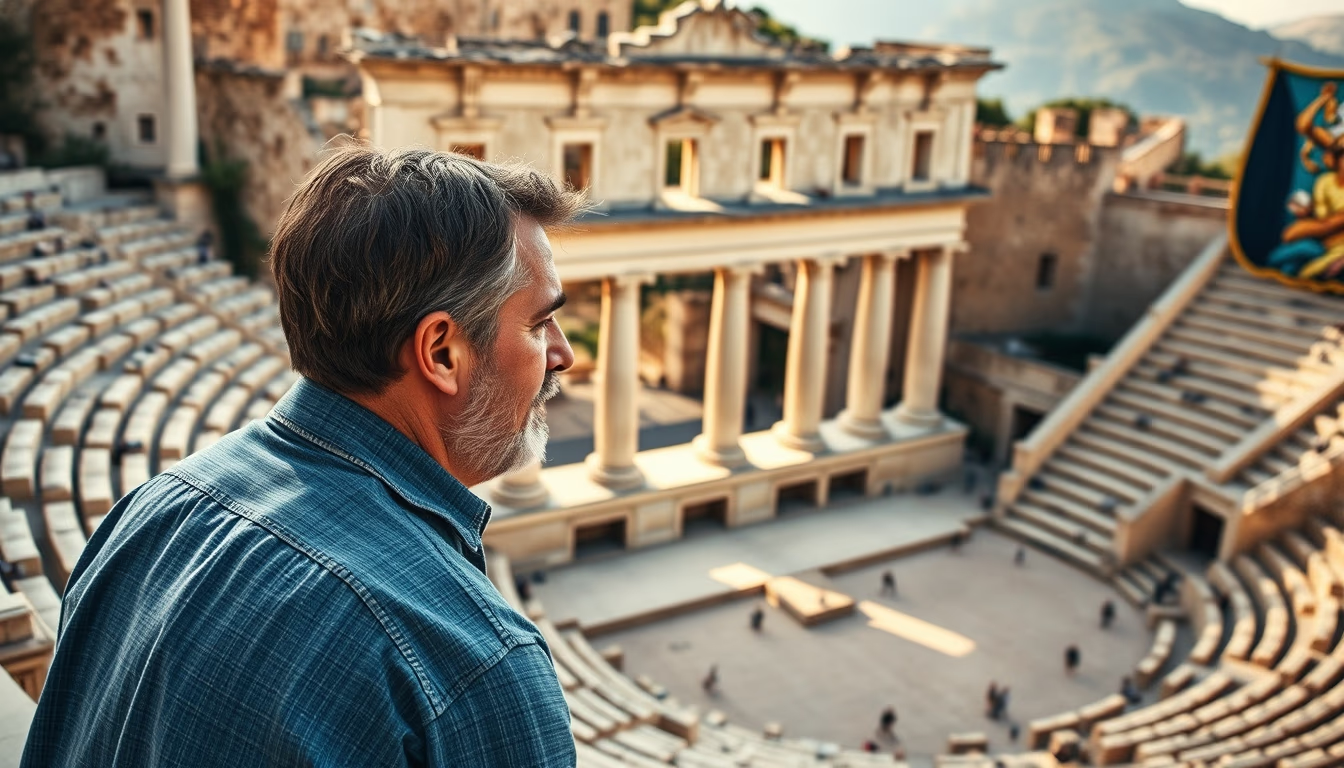
Greek amphitheaters were open-air venues for dramatic performances and civic assemblies, combining exceptional acoustics with monumental architecture.
About this subject
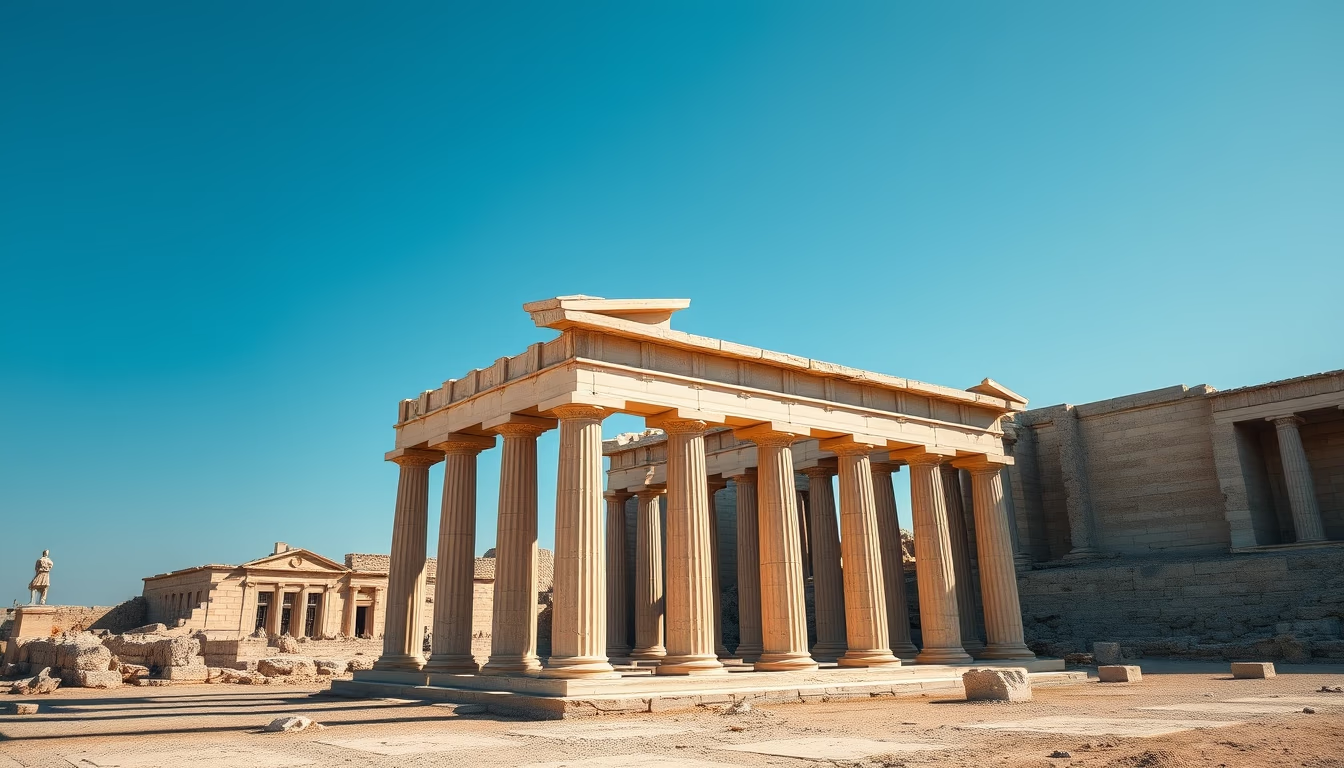
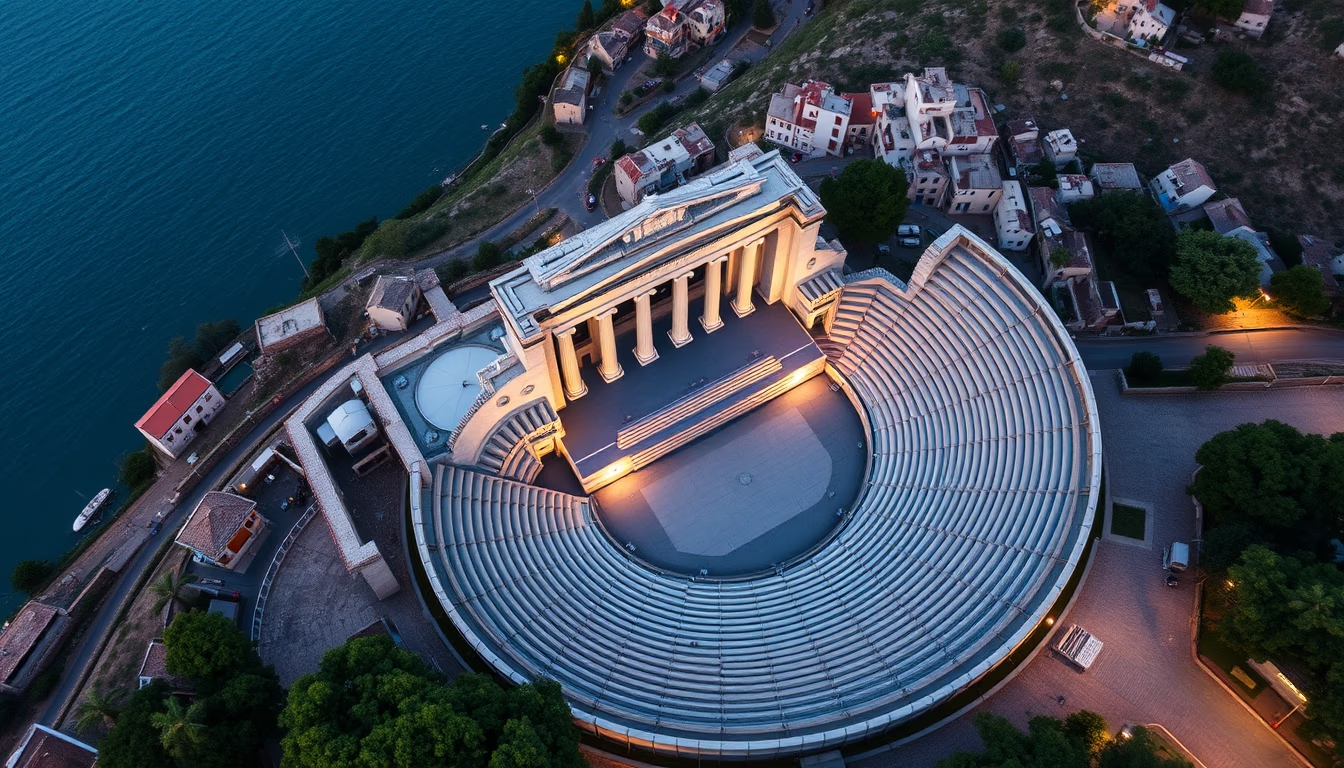
Greek amphitheaters, also known as ancient Greek theaters, emerged around the 5th century BCE and spread across the Mediterranean as hubs of culture and citizenship. Unlike Roman amphitheaters (used for gladiator fights), Greek theaters were built into natural slopes, utilizing topography to create a semicircular seating area (koilon) around a circular orchestra. The theater of Epidaurus in the Peloponnese is the best-preserved example, renowned for its perfect acoustics: a whisper at the center of the orchestra can be heard clearly on the top 55 rows, which seat up to 14,000 spectators. Architecture followed geometric principles based on the golden section, and each theater had three main parts: the skene (scene building), the orchestra (chorus area), and the cavea (auditorium). Performances were part of religious festivals honoring Dionysus, god of wine and theater, featuring tragedies and comedies by playwrights such as Sophocles, Euripides, and Aristophanes. Over centuries, many theaters were modified by Romans, who added more elaborate stage structures. Today, sites like the Odeon of Herodes Atticus in Athens and the theater of Syracuse in Sicily still host performances, keeping alive the democratic and artistic tradition of ancient Greece.
Frequently Asked Questions
What is the difference between a Greek and a Roman amphitheater?
Greek amphitheaters are semicircular, built into hillsides, and used for theater and civic gatherings. Roman amphitheaters are circular or oval, with a central arena for gladiator fights and public spectacles.
Why is the Theater of Epidaurus famous for its acoustics?
Epidaurus' exceptional acoustics result from the precise geometry of the seating and the use of limestone, which filters low-frequency noise and reflects sound evenly to all seats.
Are Greek amphitheaters still used today?
Yes, many Greek amphitheaters, such as the Odeon of Herodes Atticus and the Theater of Syracuse, are regularly used for concerts, plays, and festivals thanks to preservation and restoration.
Direct URL
https://pub-c7d6a6ea828543ac903a74a341ccb2e1.r2.dev/imagens/amphitheater-greek-documentary-photography-p2.avifHow to credit
Include a visible link back to UtilizAí. Copy one of the snippets below:
<a href="https://xn--utiliza-eza.com/en/midia/imagens/amphitheater-greek-documentary-photography-p2">Amphitheater greek</a> by <a href="https://xn--utiliza-eza.com">UtilizAí</a>, licensed under <a href="https://creativecommons.org/licenses/by/4.0/">CC BY 4.0</a>.
[Amphitheater greek](https://xn--utiliza-eza.com/en/midia/imagens/amphitheater-greek-documentary-photography-p2) by [UtilizAí](https://xn--utiliza-eza.com), CC BY 4.0
License: CC-BY-4.0