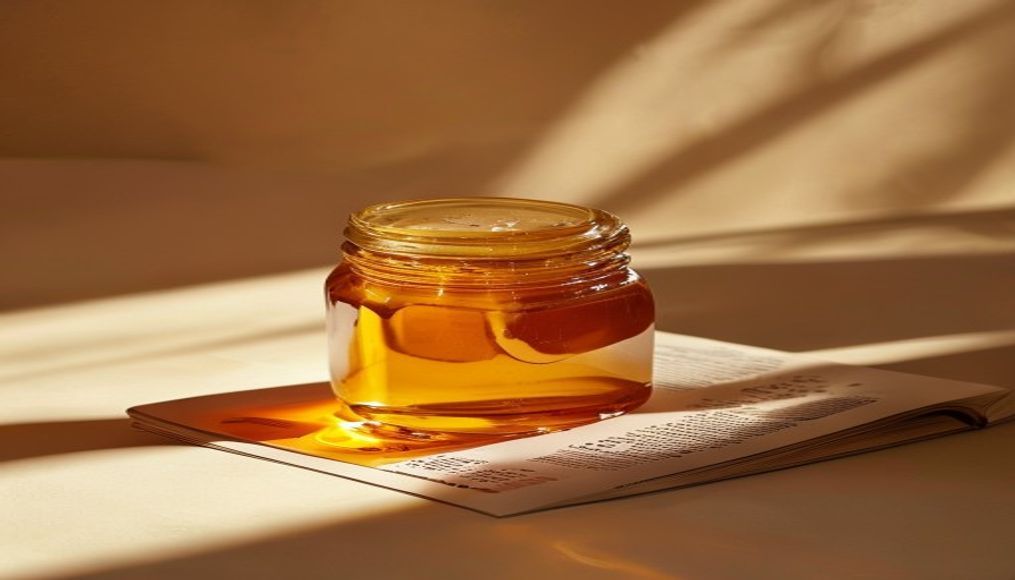
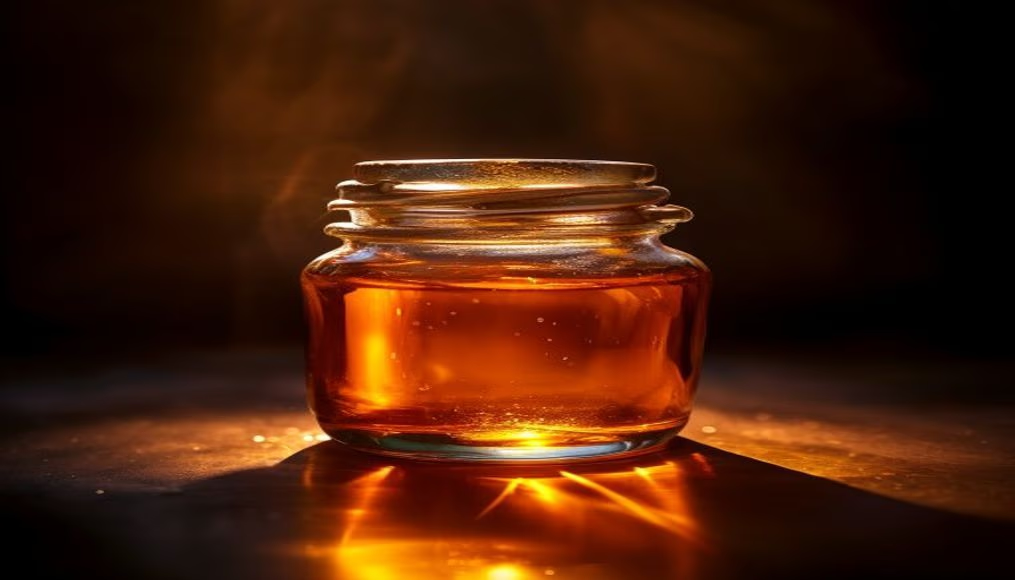
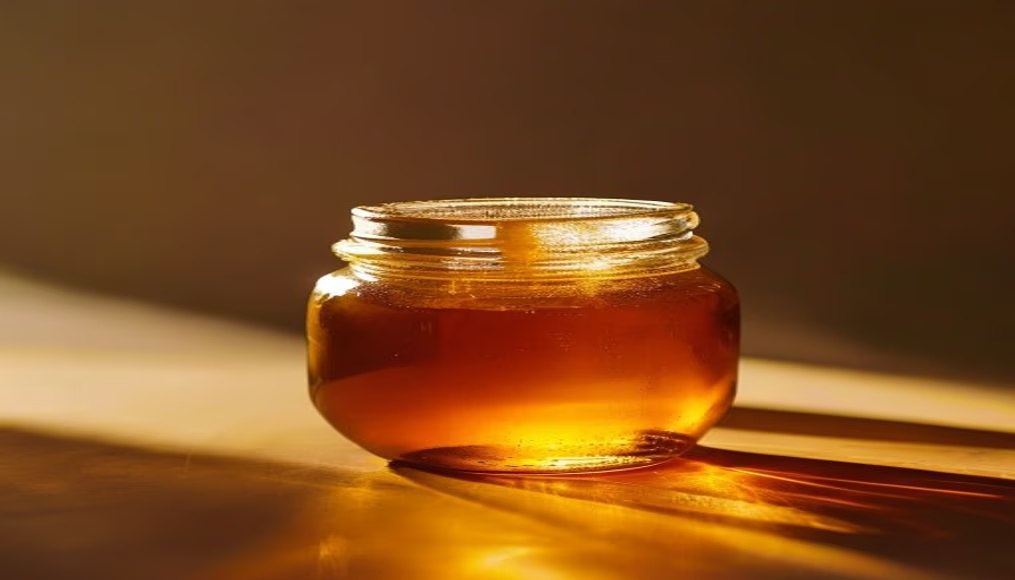
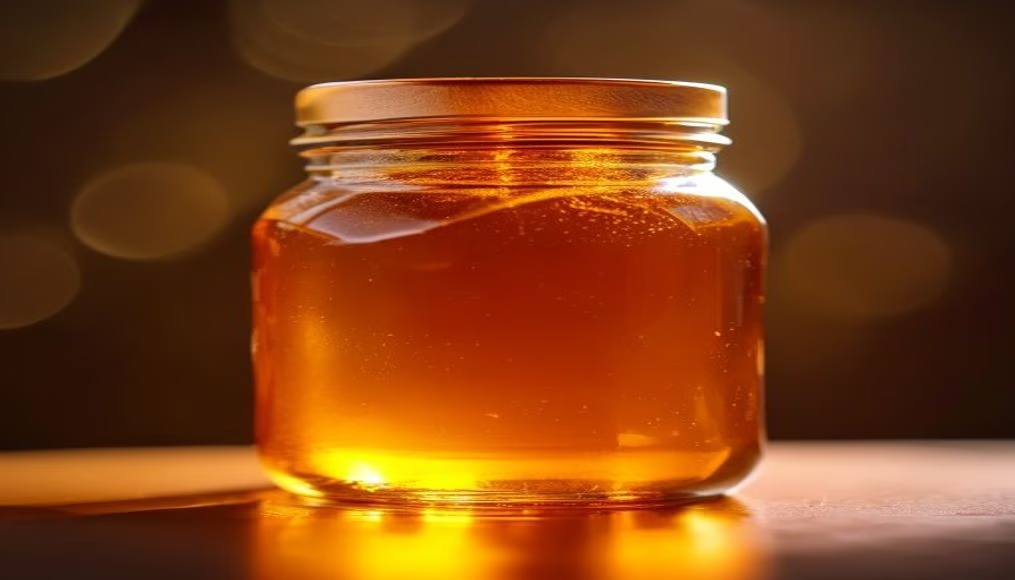
Amber resin insect inside
1344×768 · AVIF · CC BY 4.0
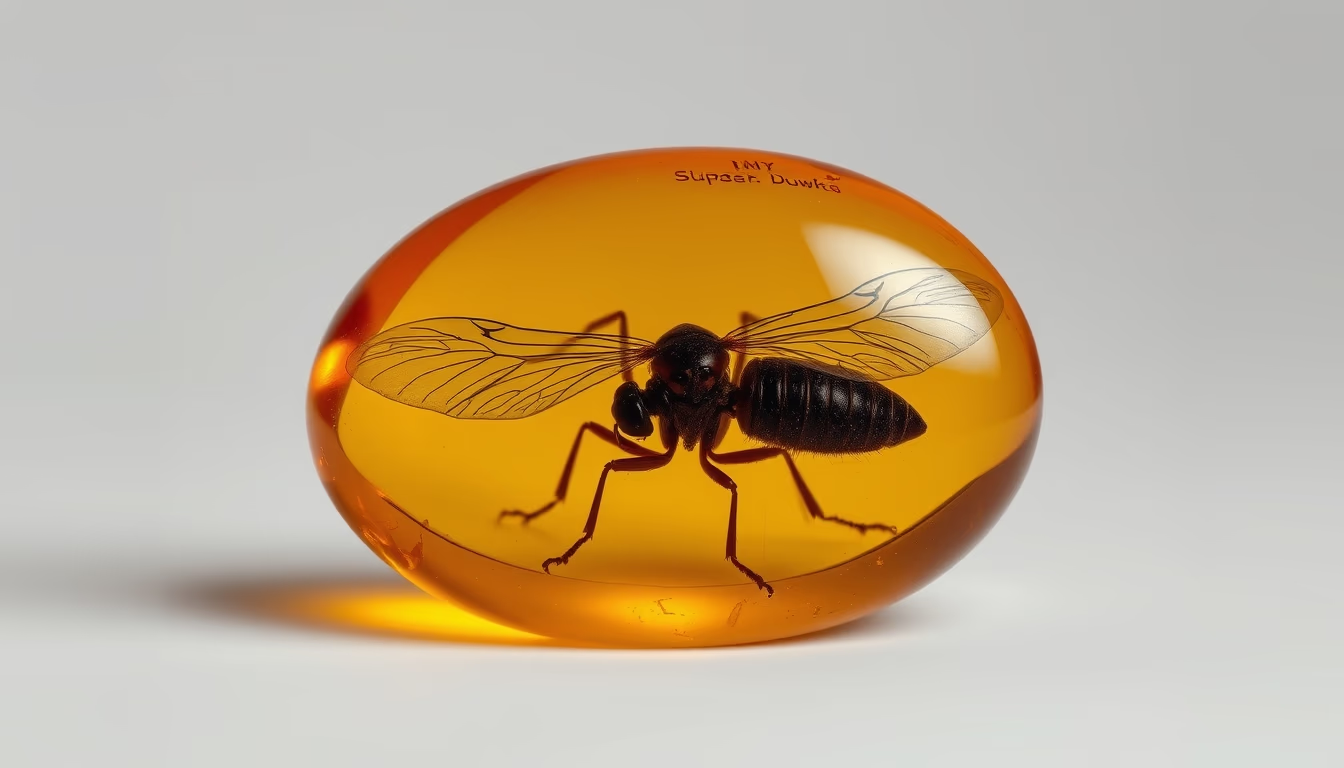
An insect preserved in amber: a time capsule millions of years old that reveals prehistoric biodiversity and the secrets of fossilization.
About this subject
Amber is fossilized resin from coniferous trees, produced millions of years ago. When the resin flowed and trapped small organisms like insects, they became perfectly preserved over geological time. The fossilization process in amber is unique: the resin polymerizes and protects the specimen from decay, maintaining microscopic details such as bristles, compound eyes, and even gut contents.
Insects preserved in amber are essential sources for paleontology. They allow study of the evolution of groups such as ants, mosquitoes, beetles, and spiders, as well as the reconstruction of ancient ecosystems. Baltic amber, around 40 million years old (Eocene), is famous for its wealth of biological inclusions. Burmese amber from Myanmar, from the Cretaceous (~99 million years ago), contains insects that coexisted with dinosaurs.
Finding an insect in amber can provide clues about past climates, ecological interactions (such as parasitism or pollination), and even the origin of certain behaviors. The color and transparency of amber vary depending on chemical composition and the degree of polymerization. Pieces with complete inclusions are highly valued by scientists and collectors.
Beyond scientific value, amber with insects is used in jewelry and as a study object in museums. The exceptional preservation makes these pieces true time capsules, offering a direct glimpse into life in past eras.
Frequently Asked Questions
How does an insect become trapped in amber?
Tree resin from conifers flows and, when it contacts an insect, completely envelops it. Over time, the resin hardens and fossilizes, preserving the insect in detail.
How old is amber with insects?
It can range from a few million to over 100 million years old. Baltic amber is about 40 million years old, while Burmese amber reaches 99 million years.
What can scientists learn from insects in amber?
They study insect evolution, ancient ecosystems, behavior, and even preserved DNA, helping to reconstruct the history of life on Earth.
Direct URL
https://pub-c7d6a6ea828543ac903a74a341ccb2e1.r2.dev/imagens/amber-resin-insect-inside-studio-still-life-p7.avifHow to credit
Include a visible link back to UtilizAí. Copy one of the snippets below:
<a href="https://xn--utiliza-eza.com/en/midia/imagens/amber-resin-insect-inside-studio-still-life-p7">Amber resin insect inside</a> by <a href="https://xn--utiliza-eza.com">UtilizAí</a>, licensed under <a href="https://creativecommons.org/licenses/by/4.0/">CC BY 4.0</a>.
[Amber resin insect inside](https://xn--utiliza-eza.com/en/midia/imagens/amber-resin-insect-inside-studio-still-life-p7) by [UtilizAí](https://xn--utiliza-eza.com), CC BY 4.0
License: CC-BY-4.0