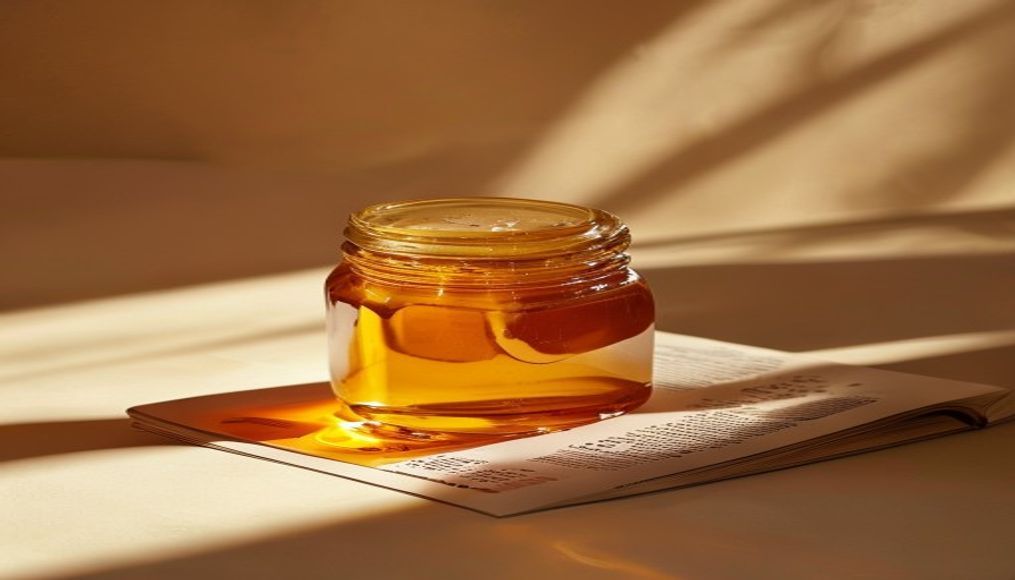
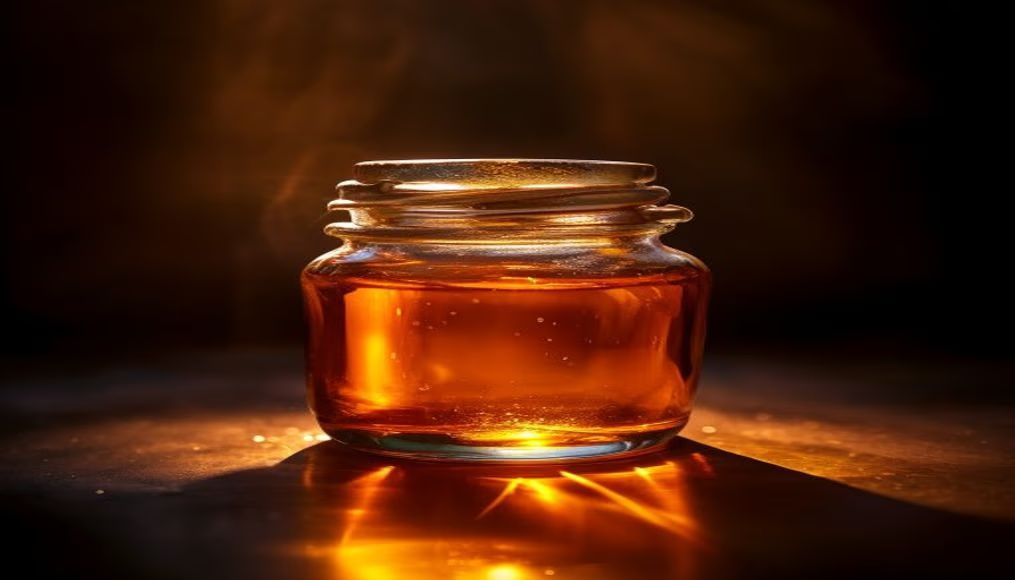
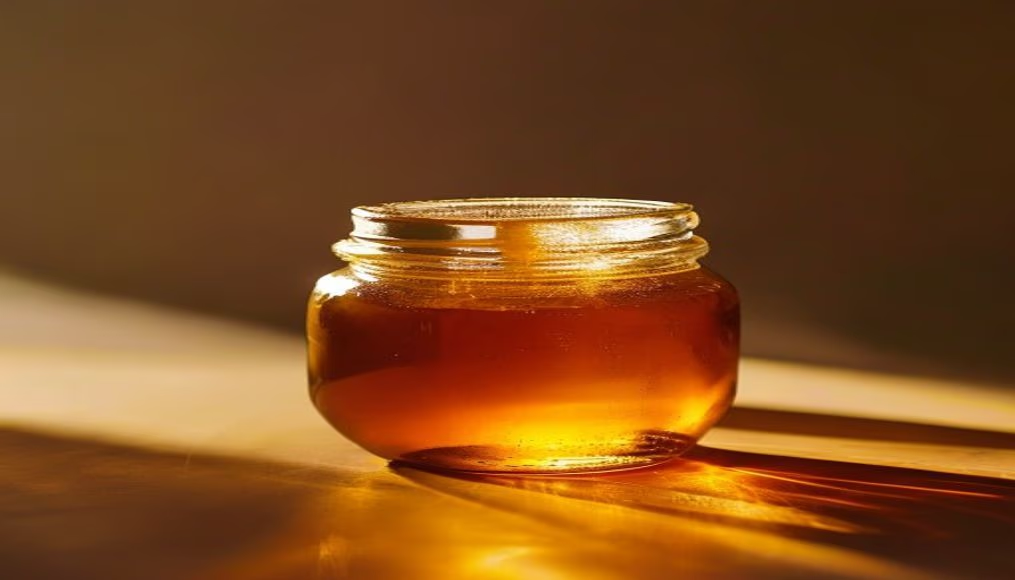
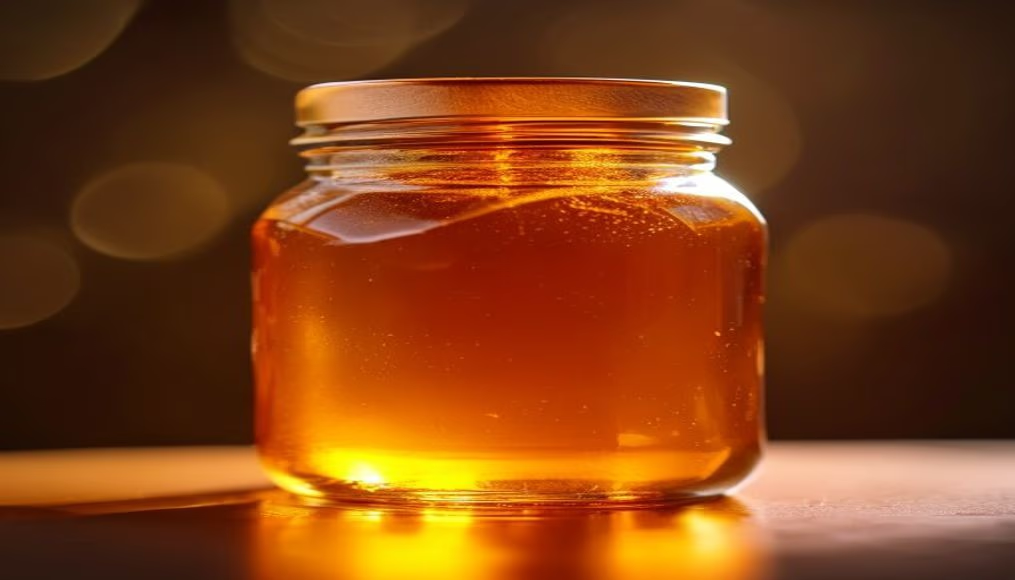
Amber resin insect inside
1344×768 · AVIF · CC BY 4.0
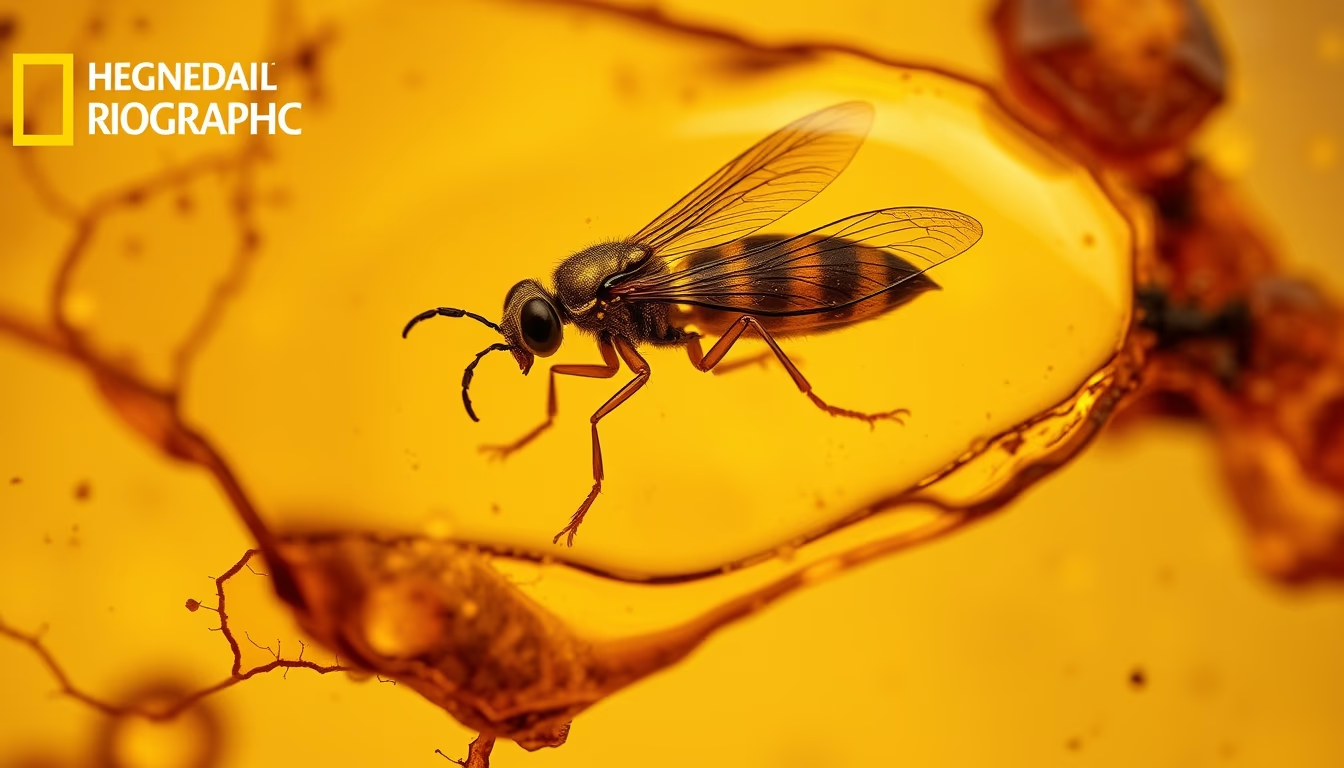
Amber is fossilized tree resin that preserves insects and plants in three-dimensional detail for millions of years.
About this subject
Amber is fossilized tree resin, mainly from conifers and some angiosperms, that hardens and transforms over millions of years. When resin oozes from a wounded tree, it can trap small organisms such as insects, spider webs, and even small lizards. Fossilization occurs under specific sedimentation and pressure conditions, preserving external morphology and sometimes soft tissues. Common insects in amber include flies, ants, beetles, and mosquitoes.
The scientific importance of amber with inclusions is immense, offering a window into past ecosystems dating from the Triassic to the Holocene, with famous specimens from the Cretaceous (about 100 million years ago). Studies of ancient DNA in amber are controversial, but preservation of cellular structures has been documented. Amber also helps understand plant-insect coevolution and provides clues about ancient climates.
Major sources of amber with inclusions are the Baltic region (Eocene, about 44 million years old), the Dominican Republic (Miocene, about 20 million years old), and Myanmar (Cretaceous, about 99 million years old). Each deposit has unique features: Baltic amber is older and often contains insects from temperate environments; Dominican amber is younger and rich in tropical arthropods; Burmese amber is famous for rare inclusions like dinosaur feathers and vertebrate tails.
Culturally, amber has been used as an ornamental gem since prehistory, with artifacts found in European archaeological sites. The book and film "Jurassic Park" popularized the idea of extracting DNA from insects in amber, though scientific reality is more complex. Collectors and museums value pieces with well-preserved inclusions, which can fetch high prices at auctions.
Frequently Asked Questions
How long does it take for amber to form?
Amber formation takes millions of years. The resin must be buried and subjected to appropriate pressure and temperature; this process generally takes from 2 to 10 million years to become true amber.
Can DNA be extracted from insects in amber?
Although some studies attempt it, most scientists believe DNA degrades rapidly even in amber. Claims of ancient DNA from amber are largely rejected because genetic material cannot survive tens of millions of years.
Where can I find amber with insects?
Major sources are the Baltic region (Poland, Russia), the Dominican Republic, Myanmar, and to a lesser extent Mexico and Lebanon. Authentic pieces are sold by miners, jewelry stores, and at mineral fairs.
Direct URL
https://pub-c7d6a6ea828543ac903a74a341ccb2e1.r2.dev/imagens/amber-resin-insect-inside-national-geographic-style-p2.avifHow to credit
Include a visible link back to UtilizAí. Copy one of the snippets below:
<a href="https://xn--utiliza-eza.com/en/midia/imagens/amber-resin-insect-inside-national-geographic-style-p2">Amber resin insect inside</a> by <a href="https://xn--utiliza-eza.com">UtilizAí</a>, licensed under <a href="https://creativecommons.org/licenses/by/4.0/">CC BY 4.0</a>.
[Amber resin insect inside](https://xn--utiliza-eza.com/en/midia/imagens/amber-resin-insect-inside-national-geographic-style-p2) by [UtilizAí](https://xn--utiliza-eza.com), CC BY 4.0
License: CC-BY-4.0