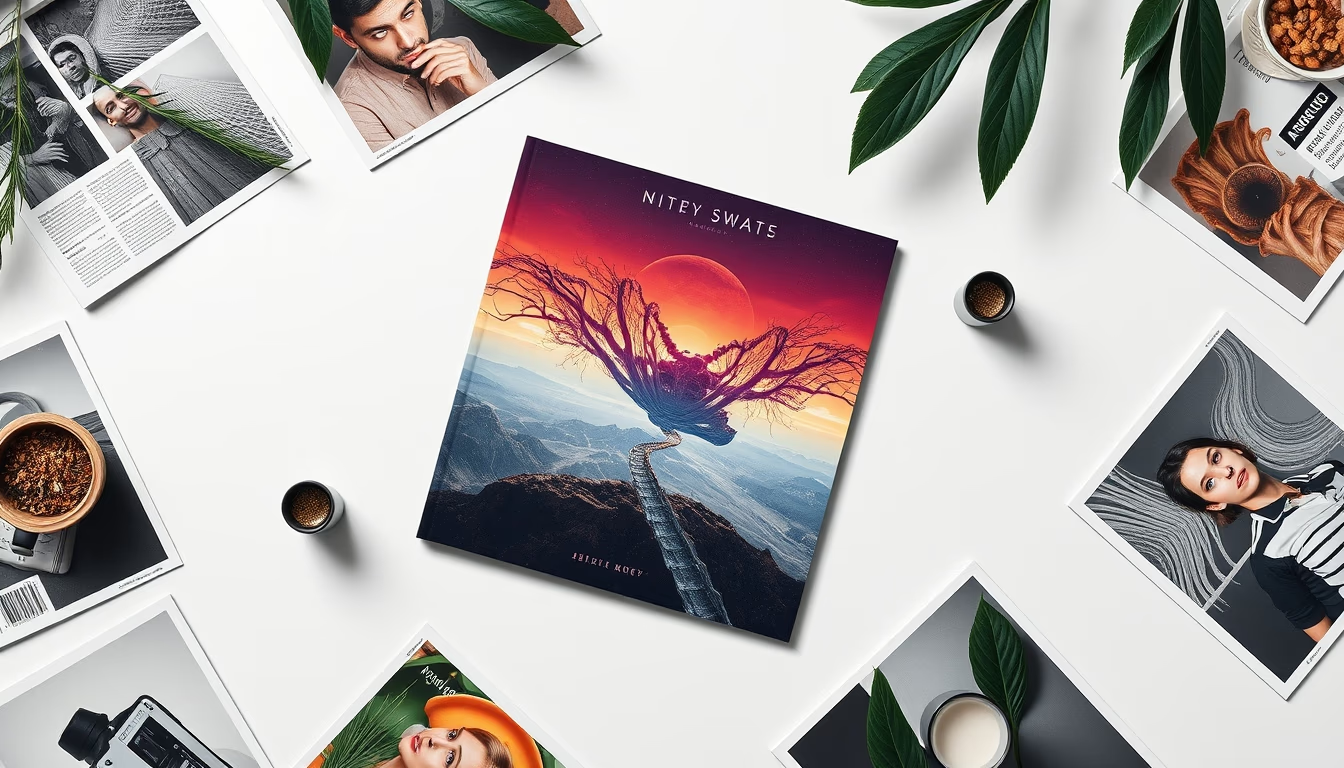
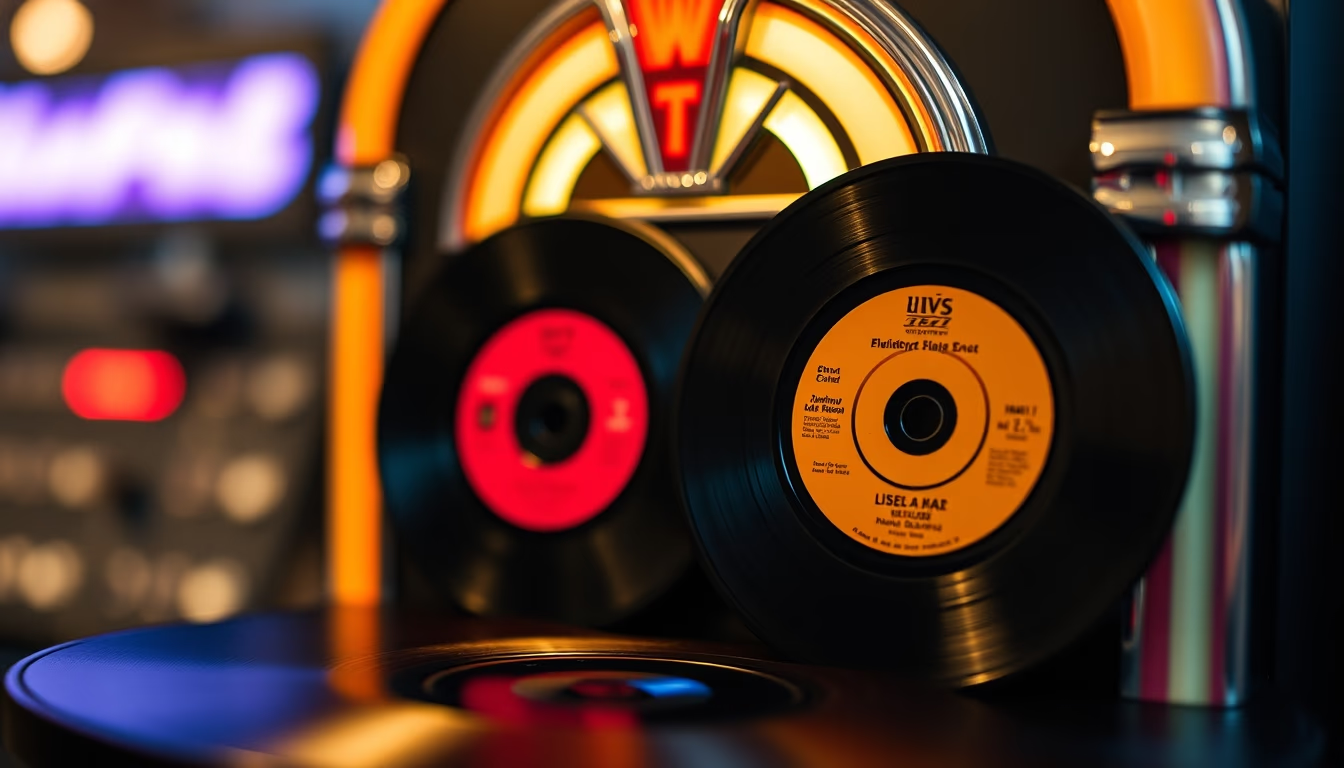
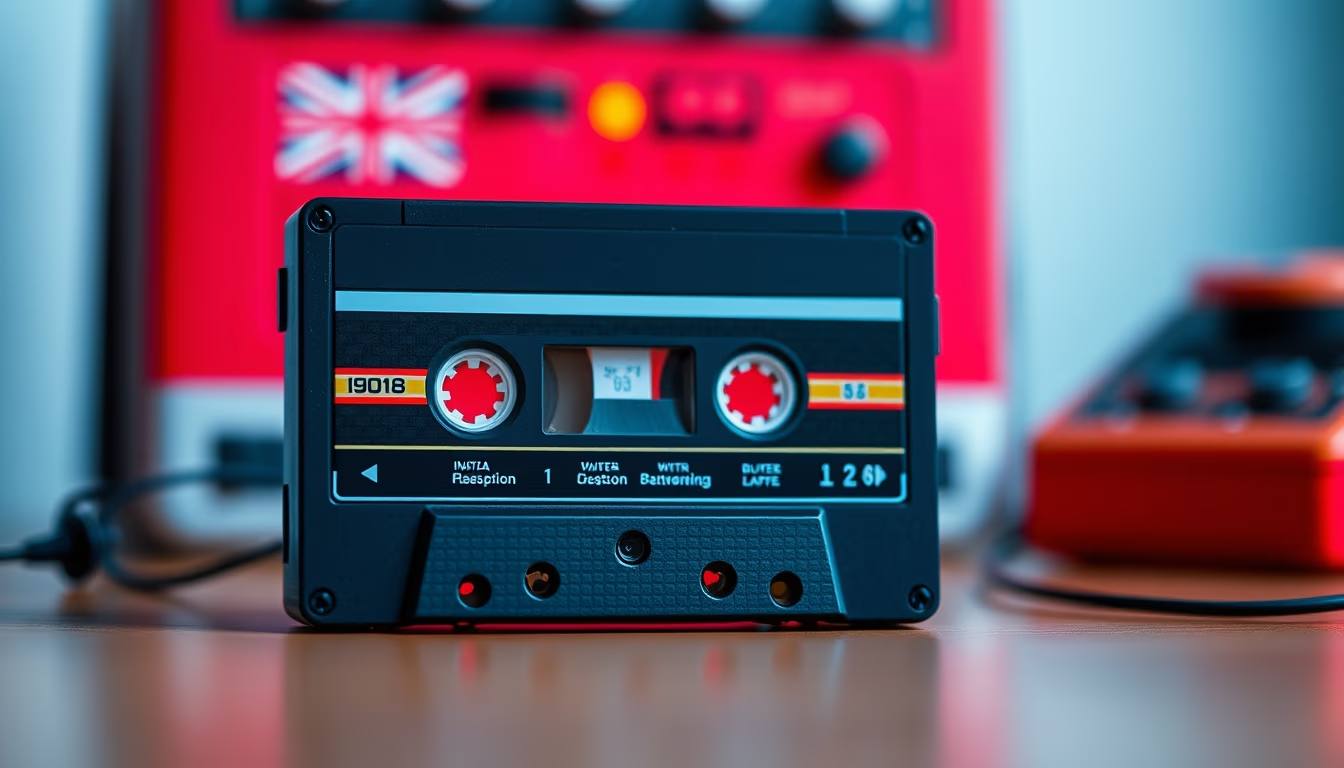
Album cover art display
1344×768 · AVIF · CC BY 4.0
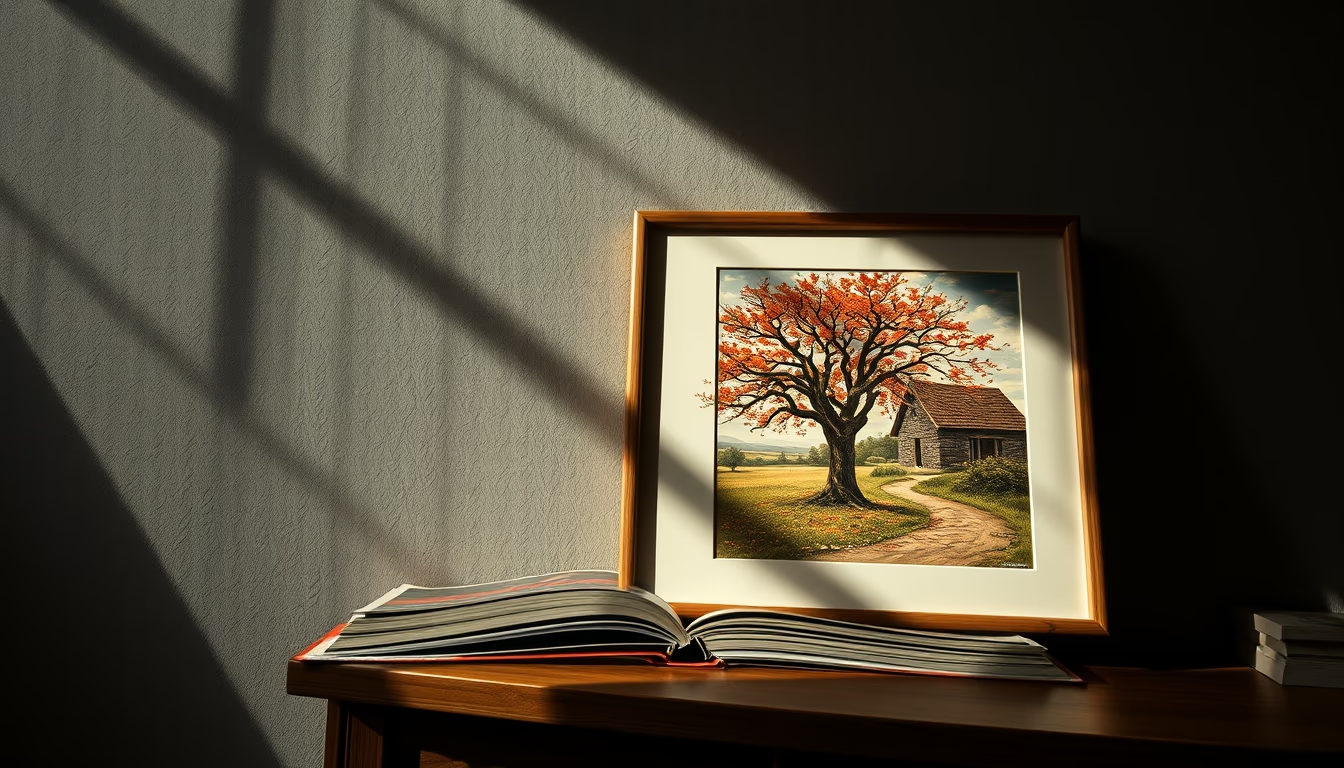
Dramatic Rembrandt-style lighting in album cover displays enhances visual impact and music storytelling, evoking classical chiaroscuro painting.
About this subject
The use of dramatic lighting, inspired by the Dutch painter Rembrandt, has become a recurring technique in the presentation of album cover art, especially in record stores and exhibitions. The chiaroscuro, contrast between light and shadow, creates an intimate and theatrical atmosphere that enhances the details of the artworks. This approach dates back to the 17th century but was adapted by modern photography to highlight the expressiveness of artists and the aesthetics of vinyl.
In music, album covers like "The Dark Side of the Moon" (Pink Floyd) or "Born to Run" (Bruce Springsteen) used directional lighting to emphasize graphic elements or portraits. The Rembrandt effect, with a light source at 45 degrees and deep shadows, gives three-dimensionality and depth to the images, highly valued in music art curation. Events like Record Store Day often display albums in window vitrines with this type of lighting.
Beyond aesthetics, dramatic lighting influences consumer perception, creating an emotional connection with the cover. Visual marketing studies indicate that sharp contrasts increase eye fixation time by up to 30%. In the age of digital streaming, physical stores invest in this technique to make the shopping experience more memorable, evoking the ritual of flipping through albums in record stores of the 1970s and 1980s.
Interestingly, while "Rembrandt lighting" is widely used in portrait photography, its application in album displays demonstrates the influence of classical painting on pop culture. Contemporary artists like Beyoncé or Kendrick Lamar have also incorporated this lighting in covers, such as "Lemonade" (2016) or "To Pimp a Butterfly" (2015), showing the timelessness of the technique.
Frequently Asked Questions
Why is Rembrandt lighting used in album cover displays?
It creates a dramatic contrast between light and shadow, highlighting artistic details and evoking an intimate, theatrical atmosphere that draws the consumer's eye and enriches the shopping experience.
Which famous albums use dramatic lighting on their covers?
Classic examples include 'The Dark Side of the Moon' (Pink Floyd) and 'Born to Run' (Bruce Springsteen). Contemporary covers like 'Lemonade' (Beyoncé) and 'To Pimp a Butterfly' (Kendrick Lamar) also employ this style.
Does Rembrandt lighting originate in painting or photography?
The technique originates from 17th-century Baroque painting, especially Rembrandt's portraits. It was later adapted by photography and applied in music art curation.
Direct URL
https://pub-c7d6a6ea828543ac903a74a341ccb2e1.r2.dev/imagens/album-cover-art-display-rembrandt-lighting-dramatic-shadows-fresh1.avifHow to credit
Include a visible link back to UtilizAí. Copy one of the snippets below:
<a href="https://xn--utiliza-eza.com/en/midia/imagens/album-cover-art-display-rembrandt-lighting-dramatic-shadows-fresh1">Album cover art display</a> by <a href="https://xn--utiliza-eza.com">UtilizAí</a>, licensed under <a href="https://creativecommons.org/licenses/by/4.0/">CC BY 4.0</a>.
[Album cover art display](https://xn--utiliza-eza.com/en/midia/imagens/album-cover-art-display-rembrandt-lighting-dramatic-shadows-fresh1) by [UtilizAí](https://xn--utiliza-eza.com), CC BY 4.0
License: CC-BY-4.0