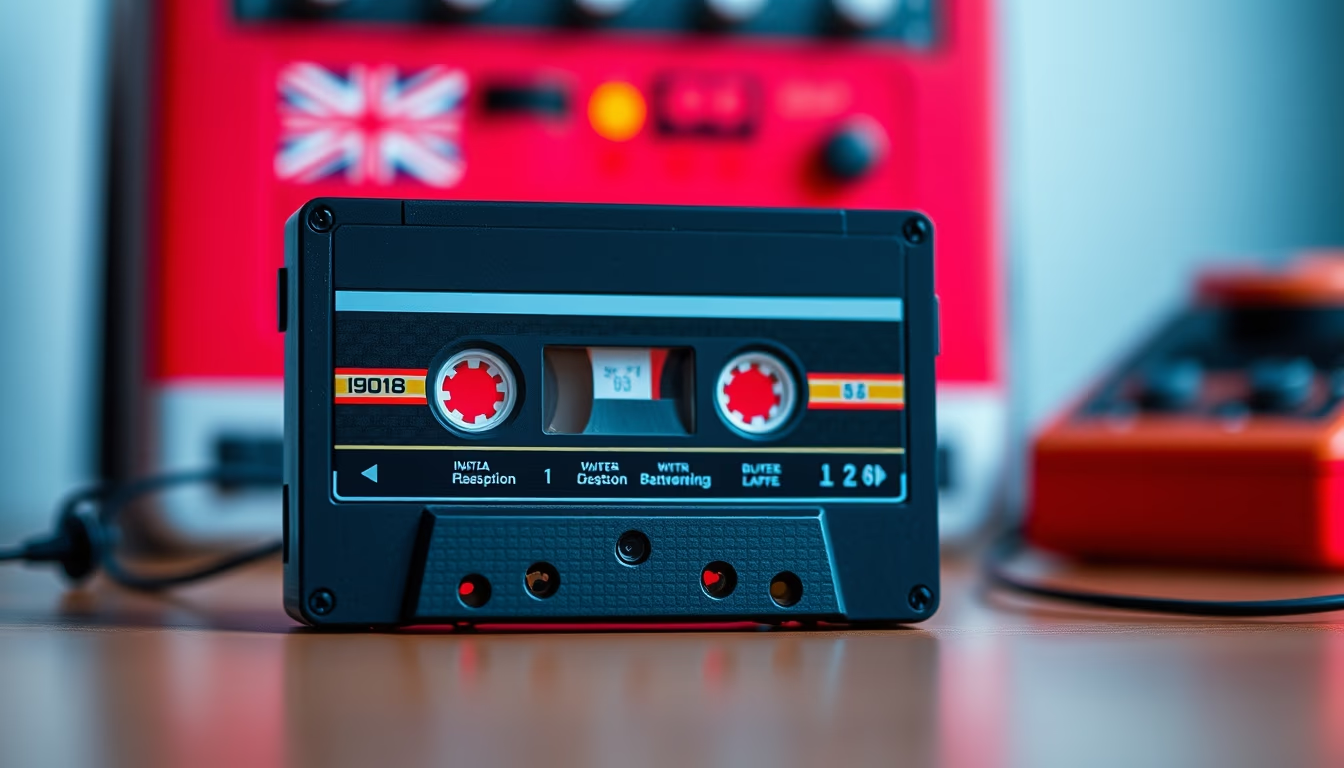
Album cover art display
1344×768 · AVIF · CC BY 4.0

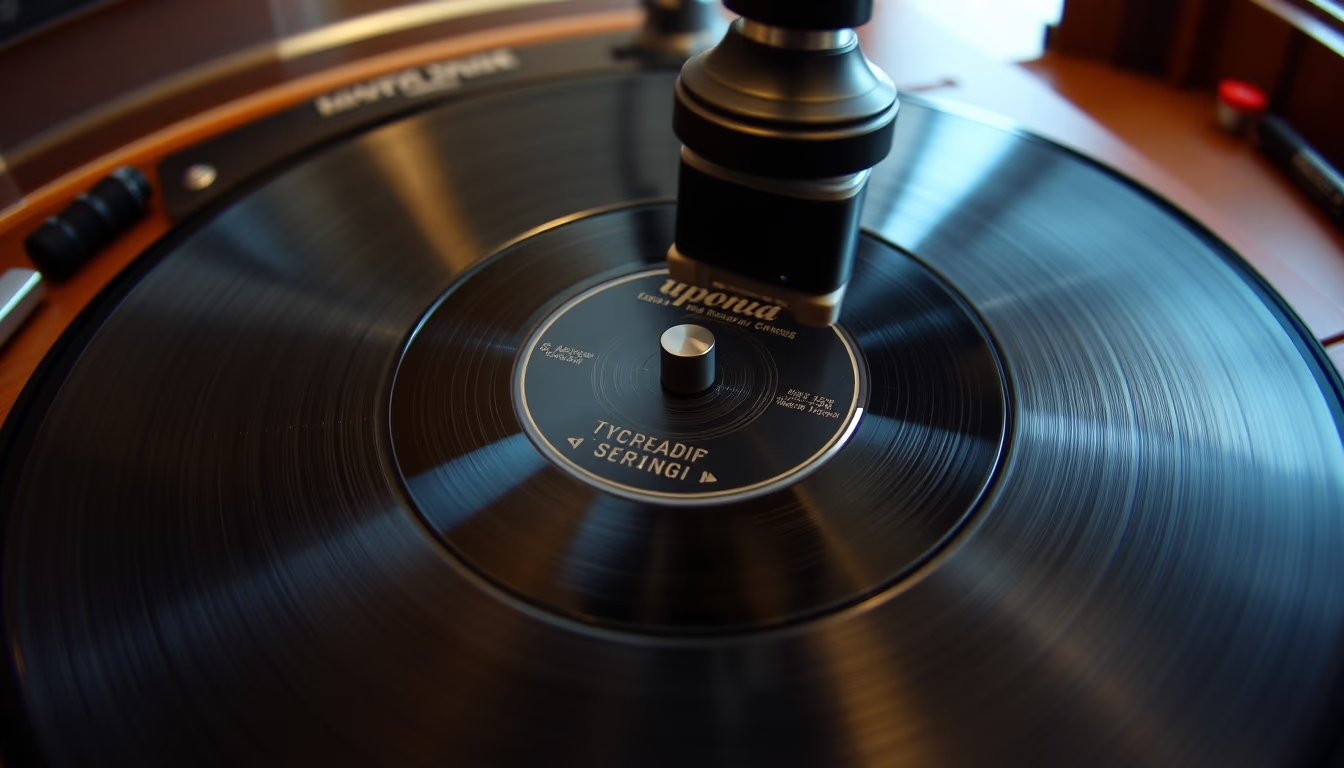
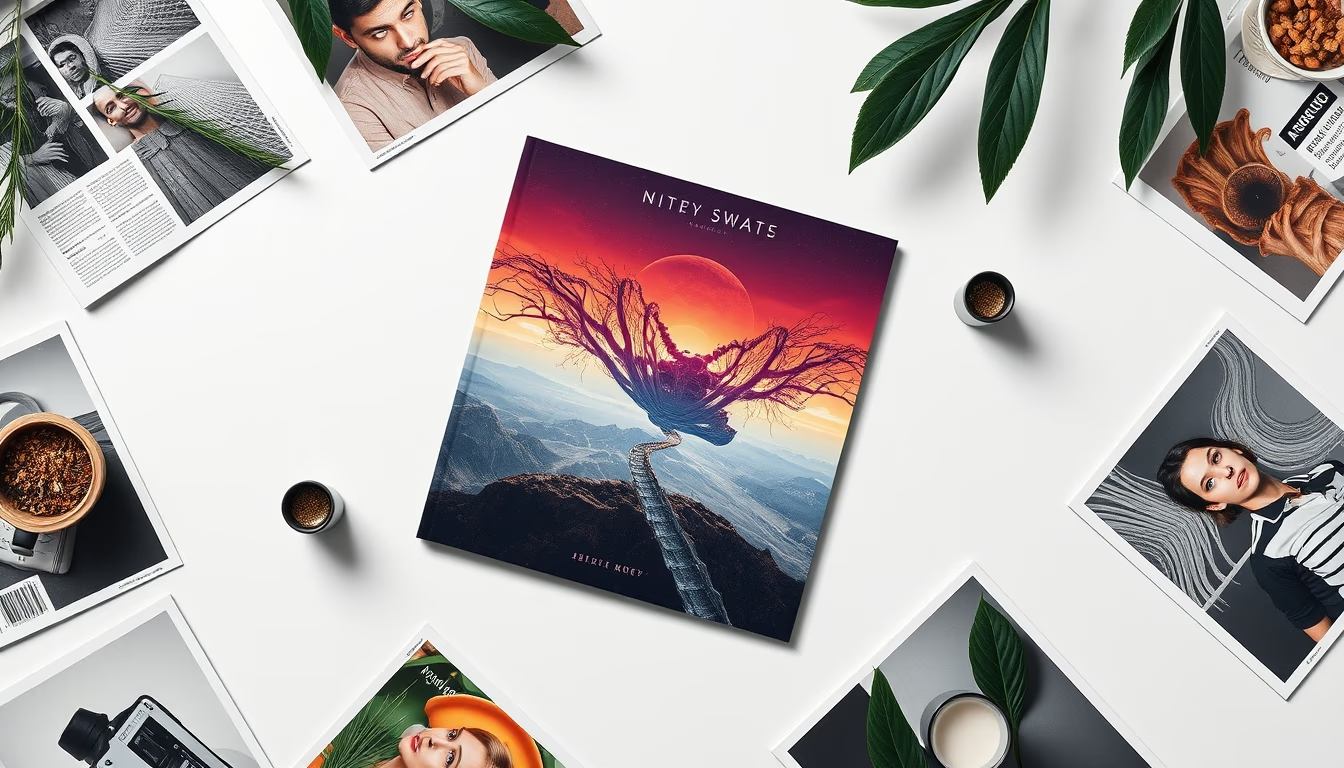
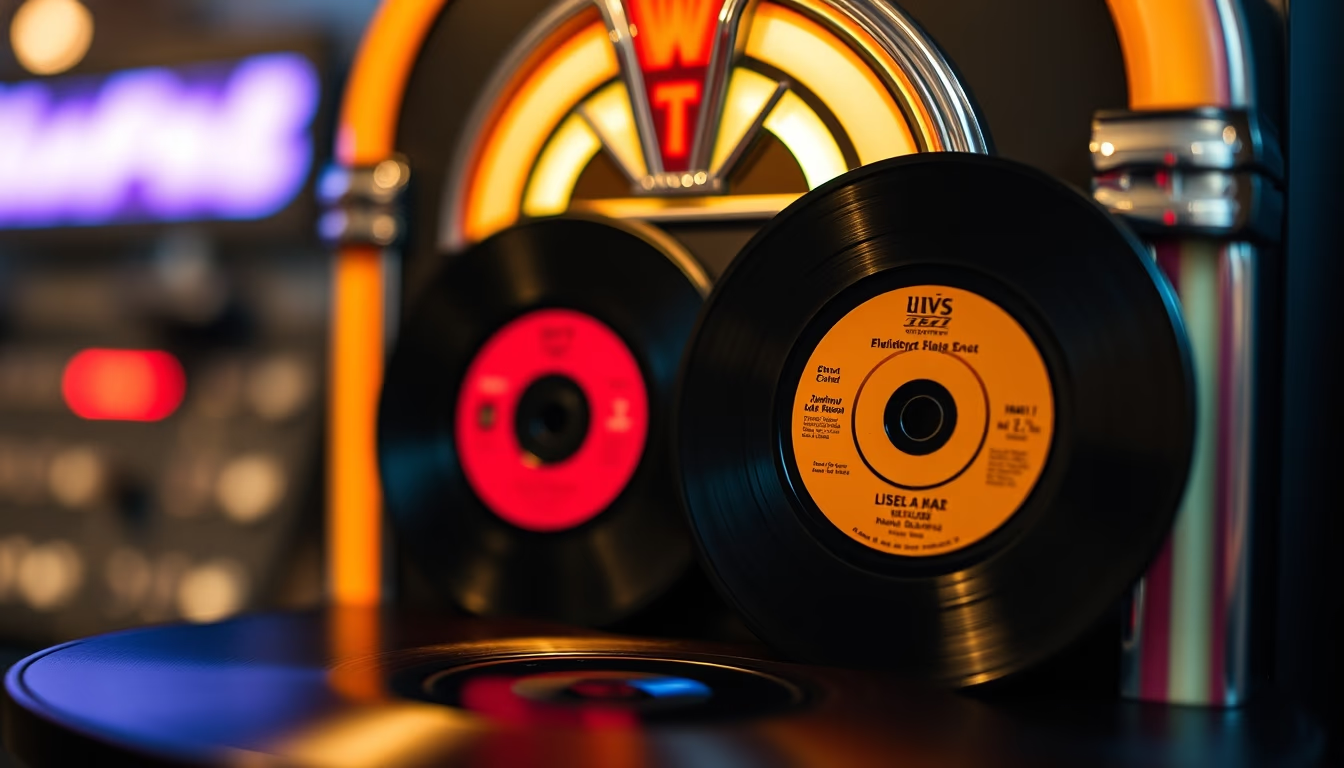
Display of vintage album cover art, exploring graphic design as cultural and historical expression.
About this subject
Album covers are visual artifacts that go beyond mere record packaging. Since the 1950s, designers such as Reid Miles (Blue Note), Storm Thorgerson (Pink Floyd), and Paula Scher (Swatch) have turned covers into independent works of art. Displaying these covers, whether in record stores, museums, or private collections, reveals not only music but also cultural movements, design trends, and social contexts of each era. For example, the psychedelic cover of "Sgt. Pepper's Lonely Hearts Club Band" (1967) reflects the 1960s counterculture, while the minimalism of "Unknown Pleasures" (Joy Division, 1979) echoes post-punk aesthetics.
In Brazil, album covers by artists such as Caetano Veloso, Gilberto Gil, and the Tropicalists were designed by figures like Rogério Duarte, who blended pop art and national elements. The cover of "Tropicália ou Panis et Circencis" (1968) is a landmark, mixing photography, typography, and collage. In vintage record stores, these covers are arranged in rows or hung on walls, inviting the buyer's gaze. Visual curation often follows aesthetic or thematic criteria, such as jazz, progressive rock, or samba covers.
Preserving album covers in good condition is a challenge, as paper and printing degrade over time. Collectors use plastic protective sleeves and humidity-controlled environments. Museum exhibitions, such as "Album Cover Art: The Vinyl Frontier" at the Rock and Roll Hall of Fame, curate iconic covers. In Brazil, the Museum of Image and Sound (MIS) has held shows dedicated to national record covers. The appreciation of this art form has grown, with original cover art auctions reaching high prices, such as Andy Warhol's design for The Rolling Stones' "Sticky Fingers" (1971), featuring a working zipper.
Digitization and high-quality printing allow these images to be reproduced in books, posters, and online platforms. However, nothing replaces the tactile and visual experience of seeing covers in their original format, with their colors and textures. Documenting and photographing these displays, as in documentary photography style, helps preserve the graphic memory of music, recording the curation of stores and collections that keep vinyl culture alive.
Frequently Asked Questions
What makes an album cover iconic?
An iconic cover combines innovative design, cultural relevance, and connection to the music. Examples include Pink Floyd's "The Dark Side of the Moon" with its prism, and Nirvana's "Nevermind" with the underwater baby. They become visual symbols that transcend the album.
How to preserve old vinyl covers?
Keep them in acid-free plastic sleeves, avoid direct sunlight, and control humidity (40-50% is ideal). Handle with clean hands and store records vertically to prevent warping.
Where to find collections of album covers on display?
Museums such as the Rock and Roll Hall of Fame (USA), the Museum of Image and Sound (Brazil), and the Victoria and Albert Museum (UK) have permanent or temporary exhibits. Vintage record stores also function as informal galleries.
Direct URL
https://pub-c7d6a6ea828543ac903a74a341ccb2e1.r2.dev/imagens/album-cover-art-display-documentary-photography-fresh2.avifHow to credit
Include a visible link back to UtilizAí. Copy one of the snippets below:
<a href="https://xn--utiliza-eza.com/en/midia/imagens/album-cover-art-display-documentary-photography-fresh2">Album cover art display</a> by <a href="https://xn--utiliza-eza.com">UtilizAí</a>, licensed under <a href="https://creativecommons.org/licenses/by/4.0/">CC BY 4.0</a>.
[Album cover art display](https://xn--utiliza-eza.com/en/midia/imagens/album-cover-art-display-documentary-photography-fresh2) by [UtilizAí](https://xn--utiliza-eza.com), CC BY 4.0
License: CC-BY-4.0