Agronomist with tablet in field analyzing crop data
1344×768 · AVIF · CC BY 4.0
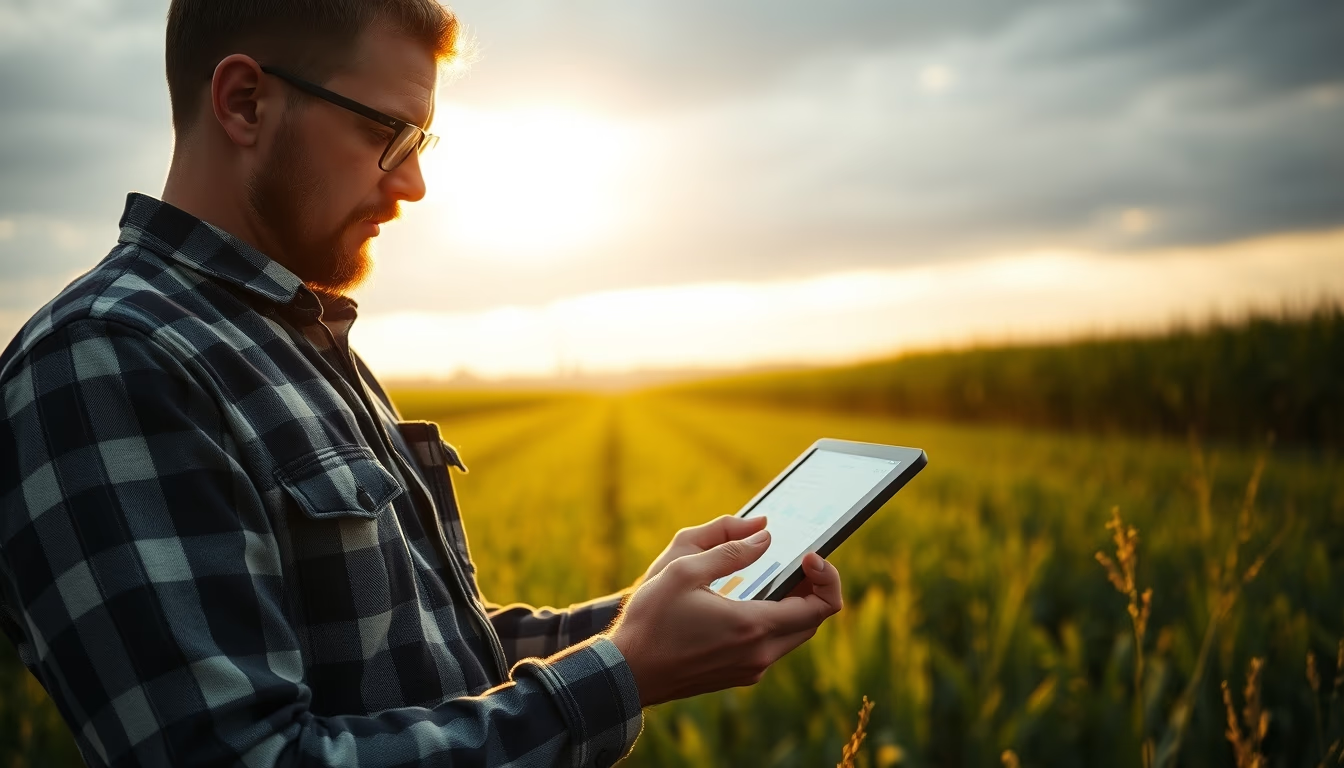
Agronomist uses tablet to analyze crop data during field inspection under overcast sky.
About this subject
The use of tablets and mobile devices in Brazilian agribusiness has become increasingly common, especially among agronomists who monitor crops. These professionals use precision agriculture software to collect real-time data, such as vegetation indices (NDVI), soil moisture, and pest incidence. Analyzing this data enables faster and more assertive decisions, like localized application of pesticides or fertilizers, reducing costs and environmental impacts.
Brazil is one of the world leaders in adopting digital technologies in the field. According to Embrapa, over 60% of large rural properties already use some form of digital agriculture tool. The tablet, due to its portability and processing power, has become an essential tool for the modern agronomist, replacing notebooks and printed maps. During inspections on overcast days, diffuse light helps with screen visibility, but it is important that the device has good brightness and weather protection.
The image depicts a typical field work scene, where the agronomist, often trained at universities like ESALQ/USP or UFV, applies technical knowledge to ensure crop productivity. The editorial context suggests a report or documentary on agribusiness innovation, highlighting the integration of technology and traditional farming practices.
Frequently Asked Questions
What data can an agronomist collect with a tablet in the field?
The agronomist can collect data such as vegetation indices (NDVI), soil moisture, temperature, pest and disease occurrence, and yield mapping, using specific sensors and software.
How does precision agriculture benefit the farmer?
Precision agriculture allows localized application of inputs, reducing waste and costs. It also improves productivity and sustainability, as decisions are based on actual field data.
What is the importance of the tablet compared to traditional methods?
The tablet offers portability, access to digital maps, GPS, and apps that integrate real-time data. This speeds up data collection and analysis, replacing notebooks and printed maps, and facilitates sharing with the team.
Direct URL
https://pub-c7d6a6ea828543ac903a74a341ccb2e1.r2.dev/imagens/agronomist-with-tablet-in-field-analyzing-crop-data-editorial-overcast-daytime-2.avifHow to credit
Include a visible link back to UtilizAí. Copy one of the snippets below:
<a href="https://xn--utiliza-eza.com/en/midia/imagens/agronomist-with-tablet-in-field-analyzing-crop-data-editorial-overcast-daytime-2">Agronomist with tablet in field analyzing crop data</a> by <a href="https://xn--utiliza-eza.com">UtilizAí</a>, licensed under <a href="https://creativecommons.org/licenses/by/4.0/">CC BY 4.0</a>.
[Agronomist with tablet in field analyzing crop data](https://xn--utiliza-eza.com/en/midia/imagens/agronomist-with-tablet-in-field-analyzing-crop-data-editorial-overcast-daytime-2) by [UtilizAí](https://xn--utiliza-eza.com), CC BY 4.0
License: CC-BY-4.0