78 rpm shellac vintage
1344×768 · AVIF · CC BY 4.0
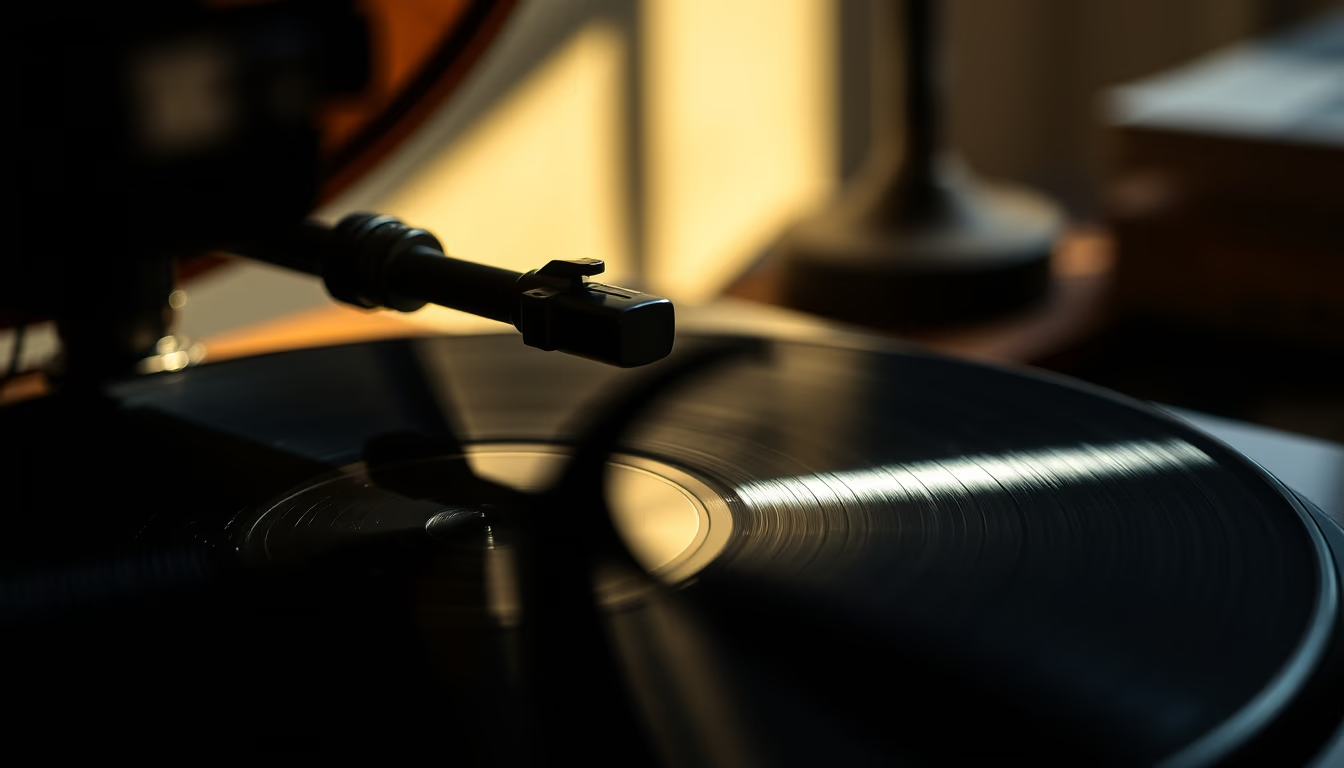
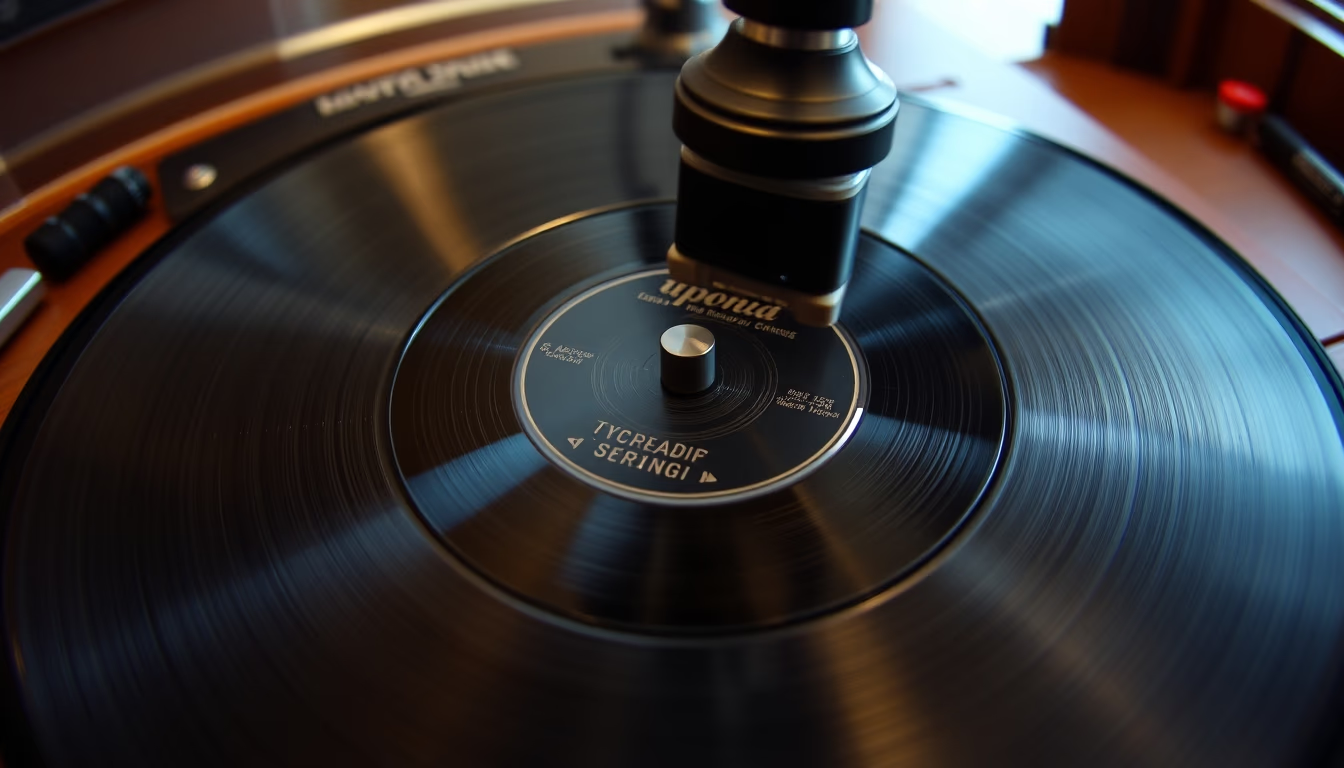
A vintage 78 RPM shellac record, the standard phonograph format from 1900 to 1950, illuminated with Rembrandt lighting highlighting its grooves and texture.
About this subject
The 78 RPM shellac record was the dominant audio recording medium from the early 1900s to the 1950s. Made from shellac (a resin secreted by the lac bug) mixed with mineral fillers and fibers, these discs rotated at 78 revolutions per minute. Each side could hold only about three to four minutes of sound, which shaped the length of musical compositions and speeches. The material was brittle and prone to breaking; scratches and dust caused audible pops and crackles.
Production of 78s began in the late 1890s and peaked in the 1920s, 1930s. In Brazil, iconic artists like Pixinguinha, Noel Rosa, and Carmen Miranda recorded sambas, choros, and marchinhas on 78 rpm discs. The speed standard varied slightly (some players ran at 76 or 80 rpm) until international agreement. Grooves were much wider and deeper than later vinyl records, leading to higher surface noise and lower frequency response.
The introduction of vinyl microgroove records in the 1950s, the 33⅓ rpm LP and 45 rpm single, phased out shellac 78s. Today, 78 RPM discs are prized by collectors and audiophiles for their historical value and unique sound character. Playing them requires a turntable with a specialized pickup (steel or sapphire needle) and proper equalization, as they followed no unified curve (pre-RIAA).
Rembrandt lighting, defined by a triangle of light on the subject's cheek and deep shadows on the opposite side, is a classic technique in photography of textured objects. Applied to a shellac record, it emphasizes the concentric grooves and uneven sheen, lending a nostalgic, dramatic feel to the image.
Frequently Asked Questions
Why are they called 78 rpm records?
The term comes from their standard playback speed: 78 revolutions per minute. While early records varied between 76 and 80 rpm, 78 became the norm from the 1900s to the 1950s.
What is the difference between shellac and vinyl?
Shellac is a natural resin that produced brittle, noisy records (78 rpm). Vinyl is a flexible, durable plastic used for LP and singles from the 1950s onward, offering finer grooves and lower noise.
How can I play a 78 rpm record today?
You need a turntable with a 78 rpm speed setting and a proper stylus (steel or sapphire) designed for shellac. Many modern turntables lack this speed; vintage phonographs or dedicated 78 players are recommended.
Direct URL
https://pub-c7d6a6ea828543ac903a74a341ccb2e1.r2.dev/imagens/78-rpm-shellac-vintage-rembrandt-lighting-dramatic-shadows-fresh0.avifHow to credit
Include a visible link back to UtilizAí. Copy one of the snippets below:
<a href="https://xn--utiliza-eza.com/en/midia/imagens/78-rpm-shellac-vintage-rembrandt-lighting-dramatic-shadows-fresh0">78 rpm shellac vintage</a> by <a href="https://xn--utiliza-eza.com">UtilizAí</a>, licensed under <a href="https://creativecommons.org/licenses/by/4.0/">CC BY 4.0</a>.
[78 rpm shellac vintage](https://xn--utiliza-eza.com/en/midia/imagens/78-rpm-shellac-vintage-rembrandt-lighting-dramatic-shadows-fresh0) by [UtilizAí](https://xn--utiliza-eza.com), CC BY 4.0
License: CC-BY-4.0